

Designing for Performance and Aesthetics: Balancing Function and Fashion
Exploring why brands that can balance style with functionality are the ones that tend to come out on top.

Good morning and happy Friday. Can you believe it’s nearly October? Another busy week at Torsa. I had our design review for our new SS24 Windbreaker - there’s expectably a few changes to be made, but it’s in a good place. I confirmed all of our colour lab dips with the mills; I will be doing a colour palette article in the future. I also may have found a new headwear manufacturer to develop a running cap using the same 45 gram fabric as our windbreaker - very exciting. This week on Friday Thread I am discussing the role both fashion and function have in the world of sportswear.
Topics
🌧️ Why function needs to be the focus
🔊 Breaking down when a product does too much
😎 Dissecting the design led approach that saw Satisfy become the ‘coolest’ run brand
🎽 Why product isn’t the only factor in your brand’s overall style
👀 Exploring different branding systems and the concept of ‘if-you-know-you-know’
Growing up, sportswear for me was always about performance. Even the fabrics that were used added to the high-performance narrative just by their nylon sheen. Looking at the big players at the time, it felt like the apparel they made was strictly for training or running, with no afterthought on utilising the product in different situations. Things have changed, and changed drastically.
Nowadays, brands are forced to think about aesthetics as much as they are performance. With the rise in social media, run clubs and other fitness communities, we’ve all become more conscious about style, whether we like to admit it or not. Building specifically for function without any thought of style is going to leave your brand chasing those that do.
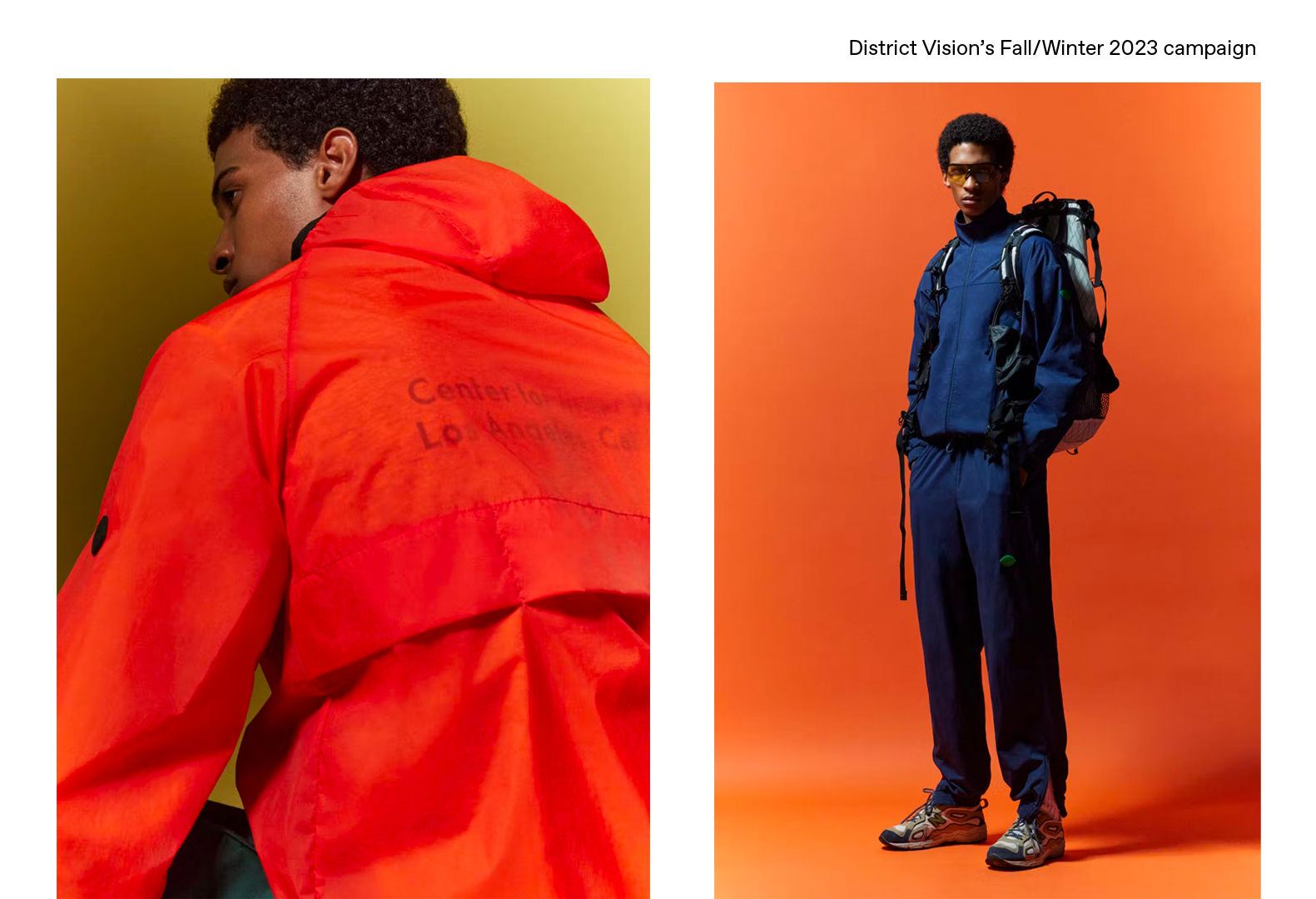
Function the focus
If you’re a sportswear, or technical clothing brand, function should always be the priority, no matter what. I always saw our job as a brand to create products which aided training and made it more comfortable and enjoyable for our customer. For that to happen, the focus has to be on function. With the innovation that has taken place within technical fabrics over recent years, long gone are the days of shiny stretch nylons frequented by the big brands of the past. Even as a small brand, we’re now in a luxury position of choosing from hundreds of fabric mills offering unique fabrications tailored to our specifications.
I mention fabric because this is one of the core components where you can can make a difference in both fashion and function. Speaking functionally, fabric is the pillar to building a product that works under varying conditions. This is why wear-testing plays such a pivotal role in the development of a great product; it allows you to see how your product performs out in the field.
Function, however, can’t rely on just a great fabric. Dieter Rams, the legendary industrial designer, famous for his work at Braun and Vitsœ, led and laid guidelines for the functionalist design movement. Functionalist design is a design movement in which the form of the object is driven by the purpose and not by its aesthetics. His design philosophy has been about achieving purity in design through reduction and restrain.
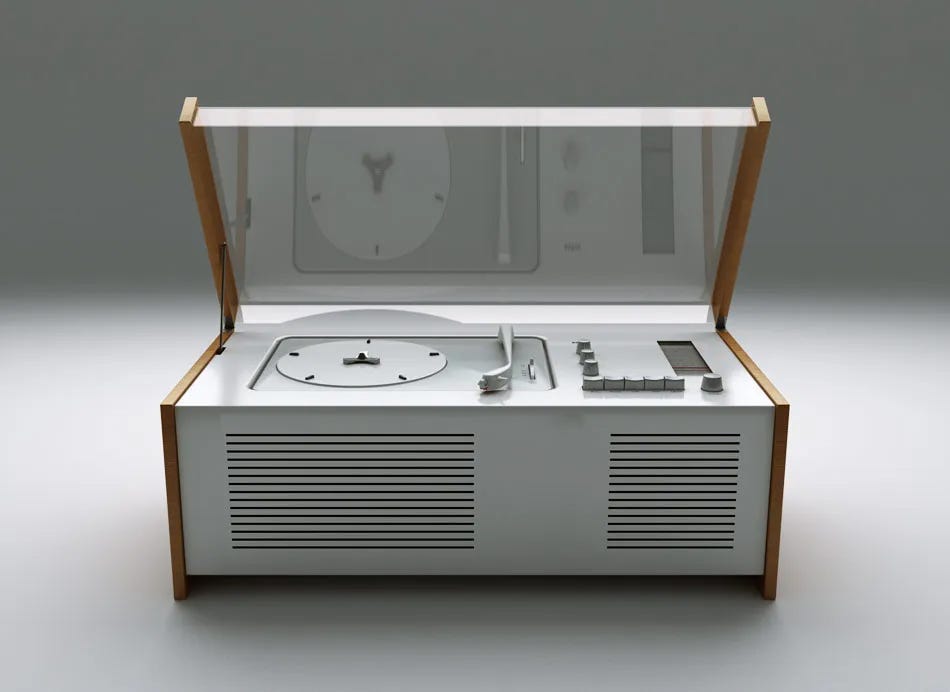
This is a common issue I see brands make in trying to achieve function and aesthetics, they do too much in a bid to be different. The addition of unnecessary trims, details and construction elements usually leads to convoluted design, added costs and a product which is visually less appealing.
Through my time at Lululemon, I saw hundreds of new styles come onto the shop floor, and more often than not, they fell into the trap of trying to do too much. One example was there Licence to Train short, which was a big buy for them commercially. However, sales were poor, as customers would opt for the more simple looking, pared back alternatives. I broke down some fundamental design issues which, I believe, led to poor performance.
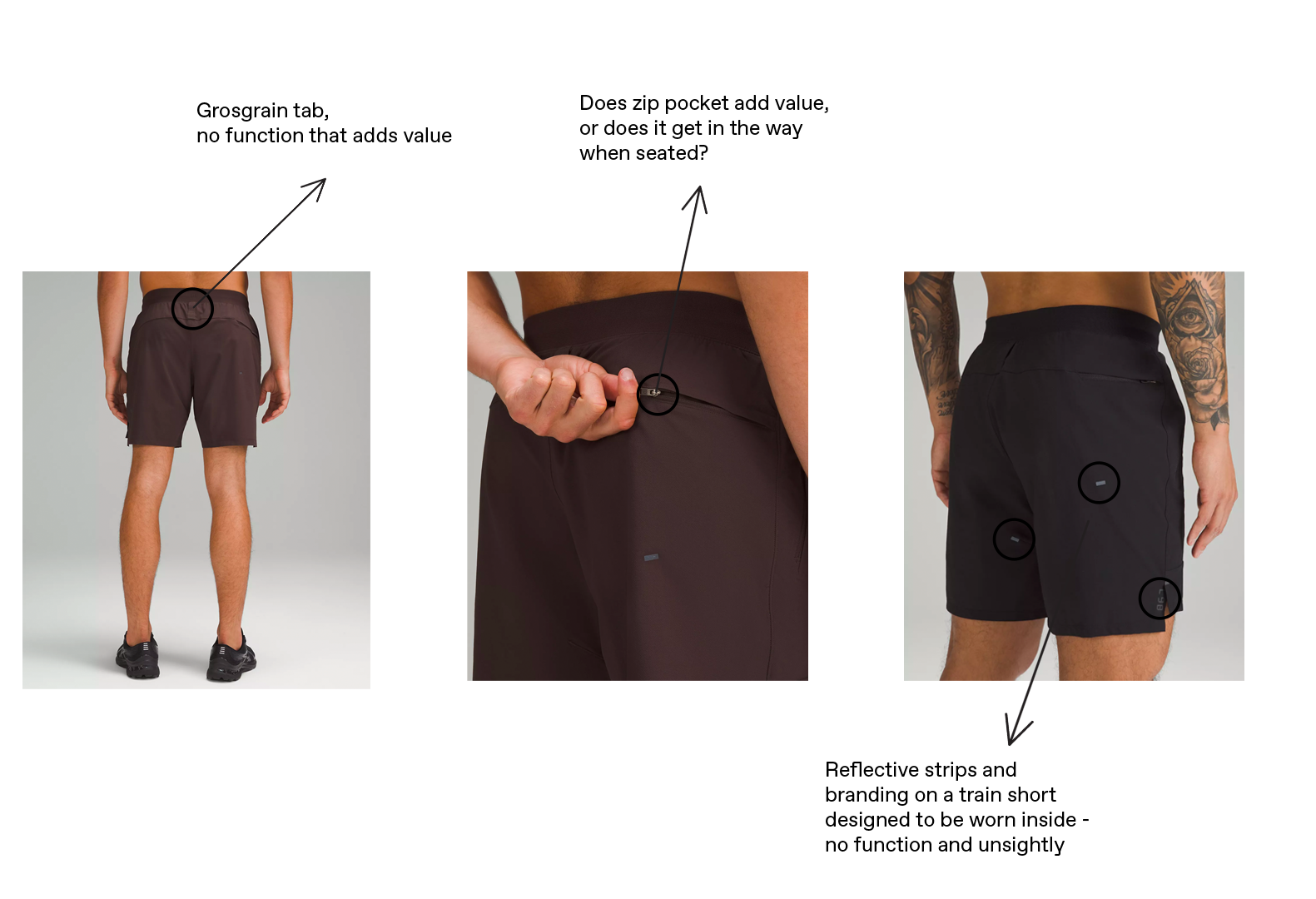
This is a clear example of adding elements when they need not be added. When you’re designing a product, you should ask yourself as a brand, “Is this needed? Will this add value?” Stripping back your product to bare essentials is often the hardest thing to do, but if done right, you’ll reap the rewards that come from it.
Fashion, finding your path
Style is subjective. Brands operate in different markets, with different customers, so what one person considers stylish, another may not. This is why I can’t give a definitive guide on how to create an aesthetic brand, I can only speak from my experience.
With Torsa, I have been involved in the activewear space for four years now, and operate in a market with a lot of, what I consider, aesthetic brands. I can only speak on what they offer, and how I believe they have made a name for themselves from balancing fashion and function.
Case Study: Satisfy Running
There is no doubt in my mind that when people think of fashion-led sportswear brands, Satisfy is right at the top of the list. The Parisian based running brand, founded by Brice Partouche, brought something completely unique to the running space when it launched back in 2015.
Inspired by punk rock and skateboarding in his youth, Brice set out to create a technical running brand that subverted the traditional aesthetic that the industry expects. A combination of prints, textured fabrics, and slogans set Satisfy on a path to becoming the most revered running brand on the market, from a style standpoint.
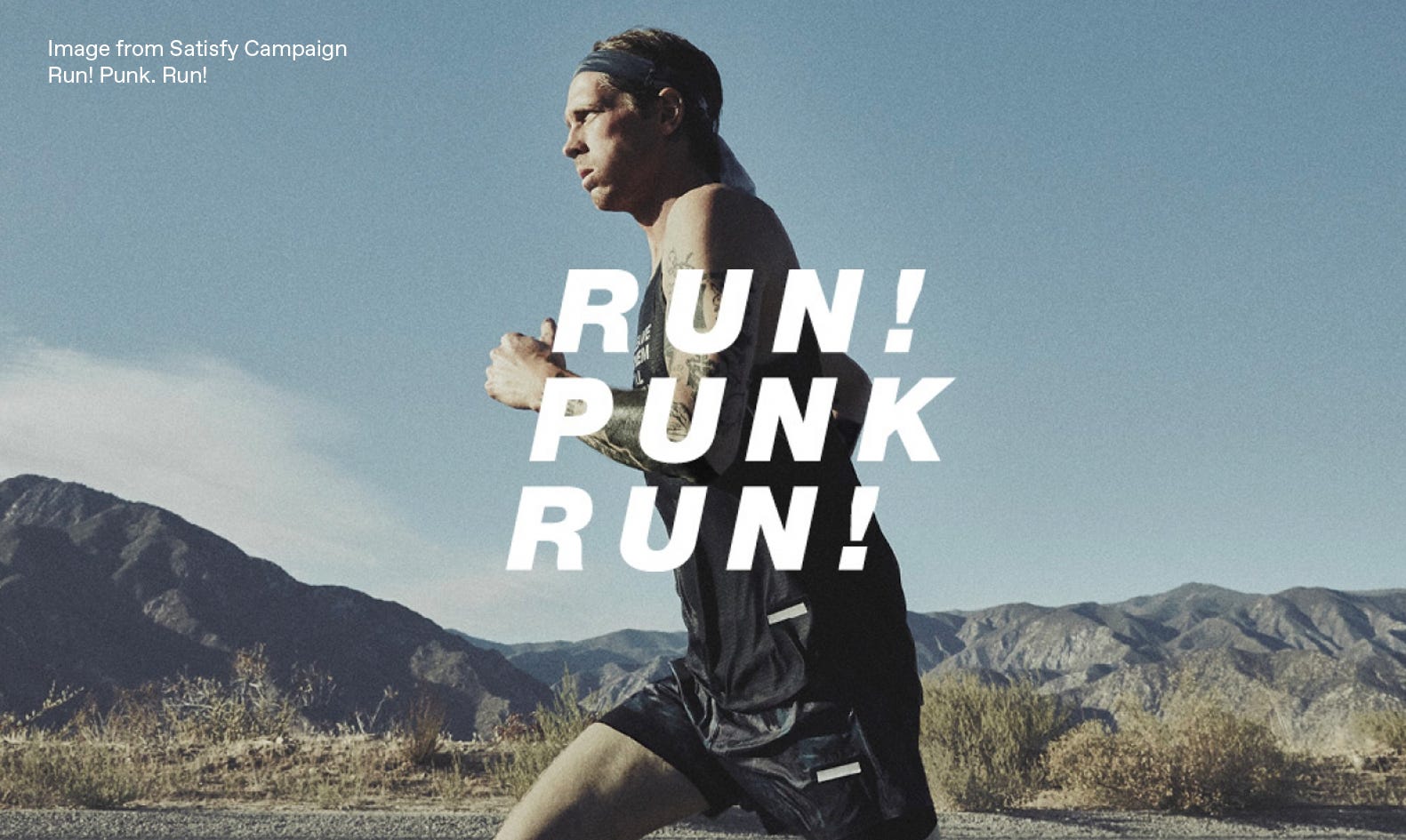
The growth of the brand, however, wasn’t just it’s design-led approach. It successfully balanced design with function, partnering with leading technical mills from Europe, merino wool suppliers from Japan, and Portuguese manufacturers to create a well-rounded package of stylish apparel that functioned well.
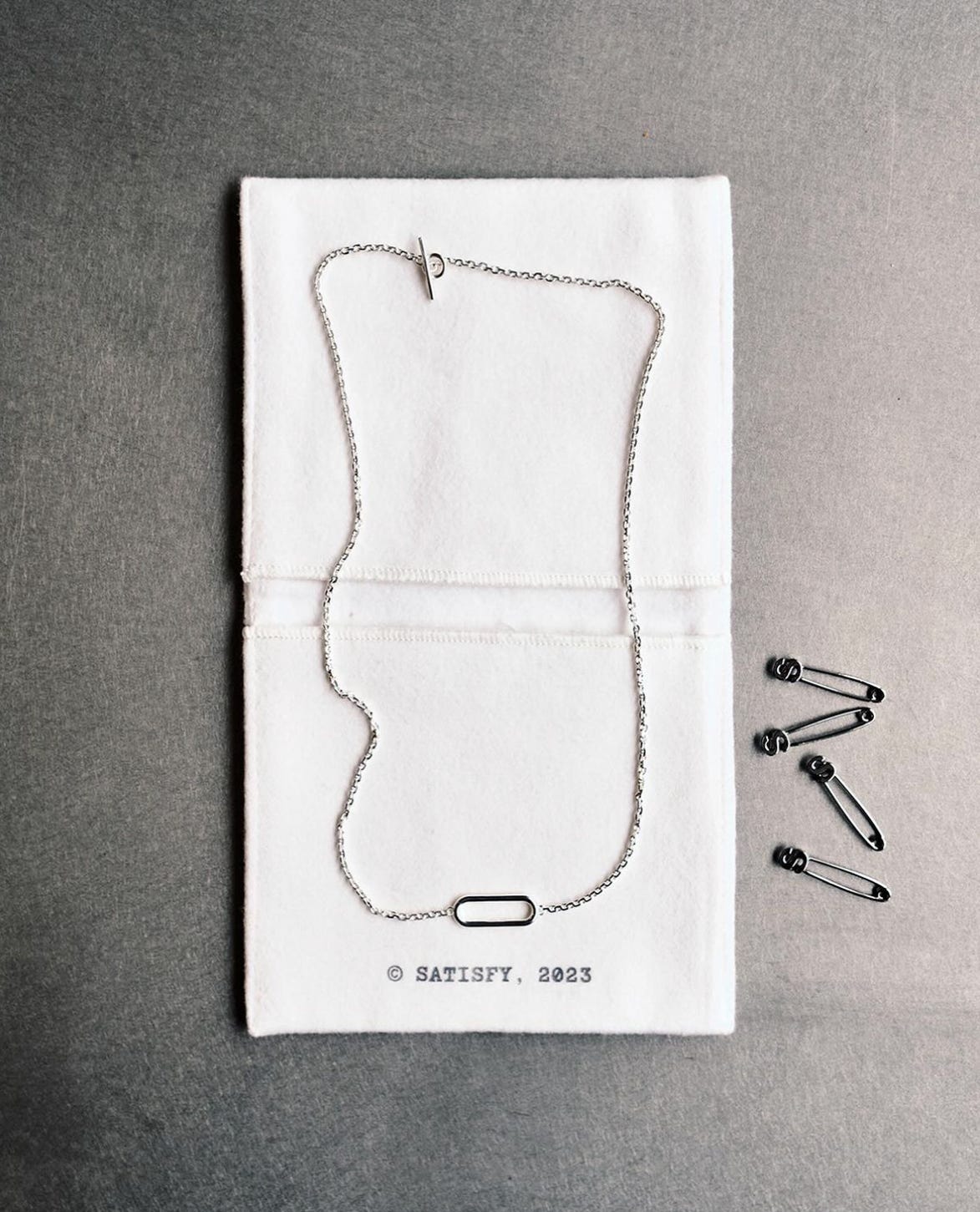
Brice and his team have created a strong brand image, which not only stems from product, but also its messaging, marketing, collaborations and imagery. Collaborations have become more frequent, partnering with Oakley, Norda, Our Legacy, and one which launches tomorrow with Swedish jewellery brand All Blues - this has only strengthened their ties in the fashion industry.
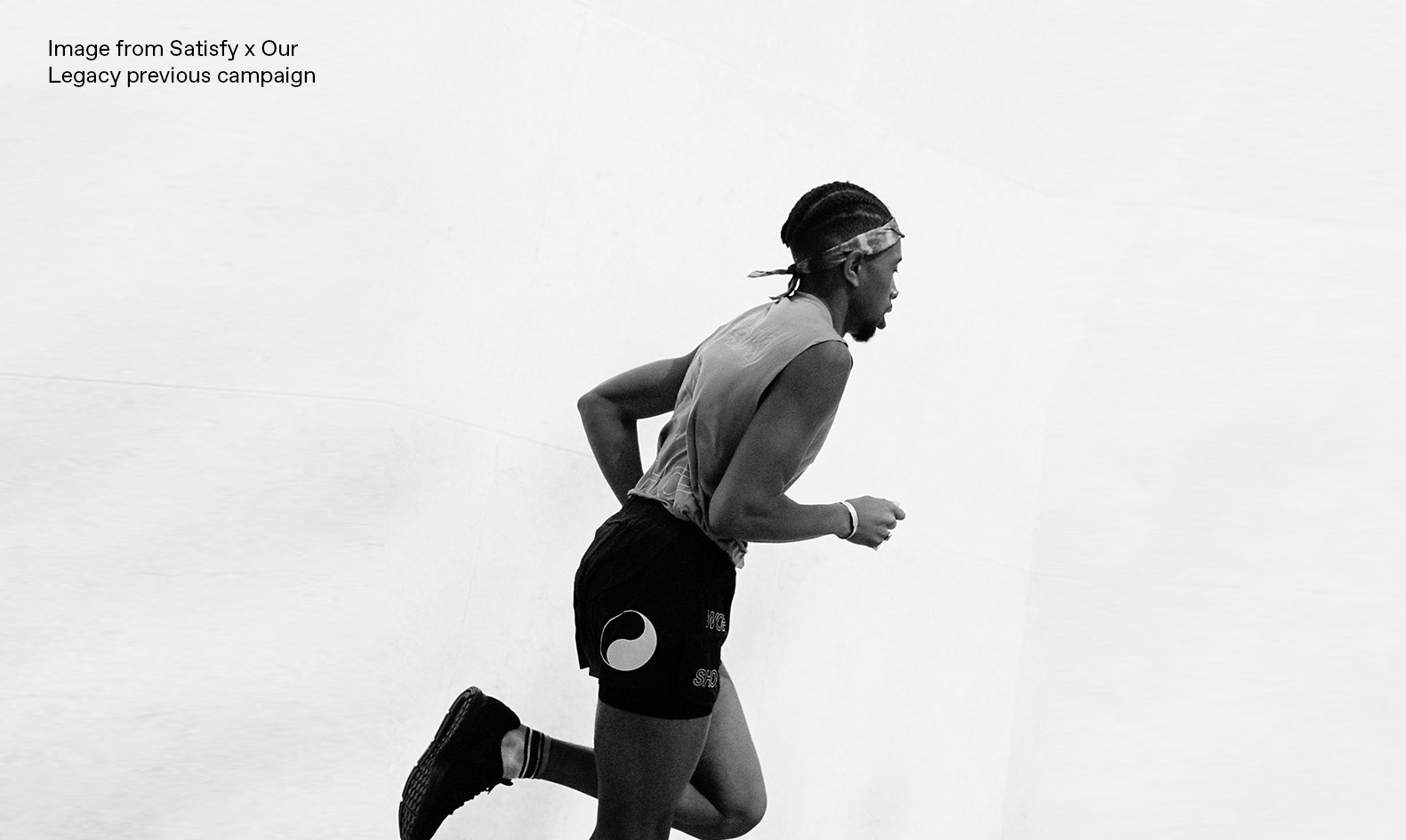
Our Legacy is a specific collaboration which I believe adds real value from a fashion association standpoint. Being Swedish myself, I have witnessed the growth of Our Legacy over the years - it’s also my favourite brand to wear. By partnering with Our Legacy, Satisfy has associated itself with one of the coolest fashion brands in the market today. This for me was a strategic choice, and for me, the right one.
Satisfy has closely associated itself with a fashion brand that shares similar values when it comes to design, quality, and for that matter, target market. Those that wear Satisfy for example are the same people that are already wearing Our Legacy, so a collaboration between the two brands took on a natural path. Judging by how quickly the collections sell out, I’d imagine it’s a fruitful working relationship between the two brands - one in which strengthens their grip in their respective markets.
Case Study: MAAP - Climbing to the Top
Dissecting another highly competitive industry, cycling apparel. Sharing so many similarities as the running space in terms of community, but also the demands on technical apparel, MAAP has established itself amongst the top players, and in a way, emerged as one of the coolest cycling apparel brands today.
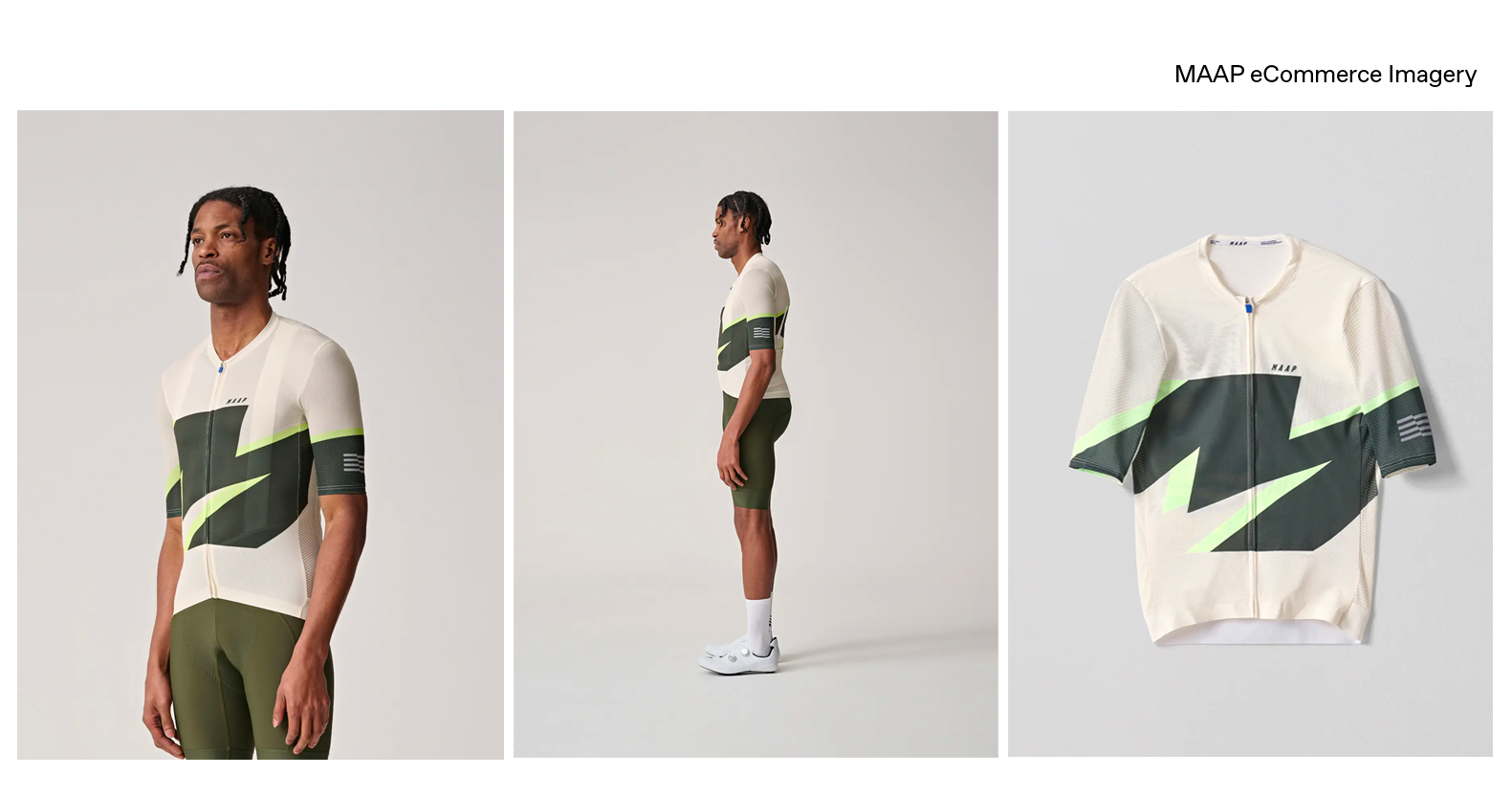
In my opinion, they have done this by creating strong design brand identity through consistent product aesthetic, great editorial and eCommerce imagery, and content which immerses the customer within the MAAP community.
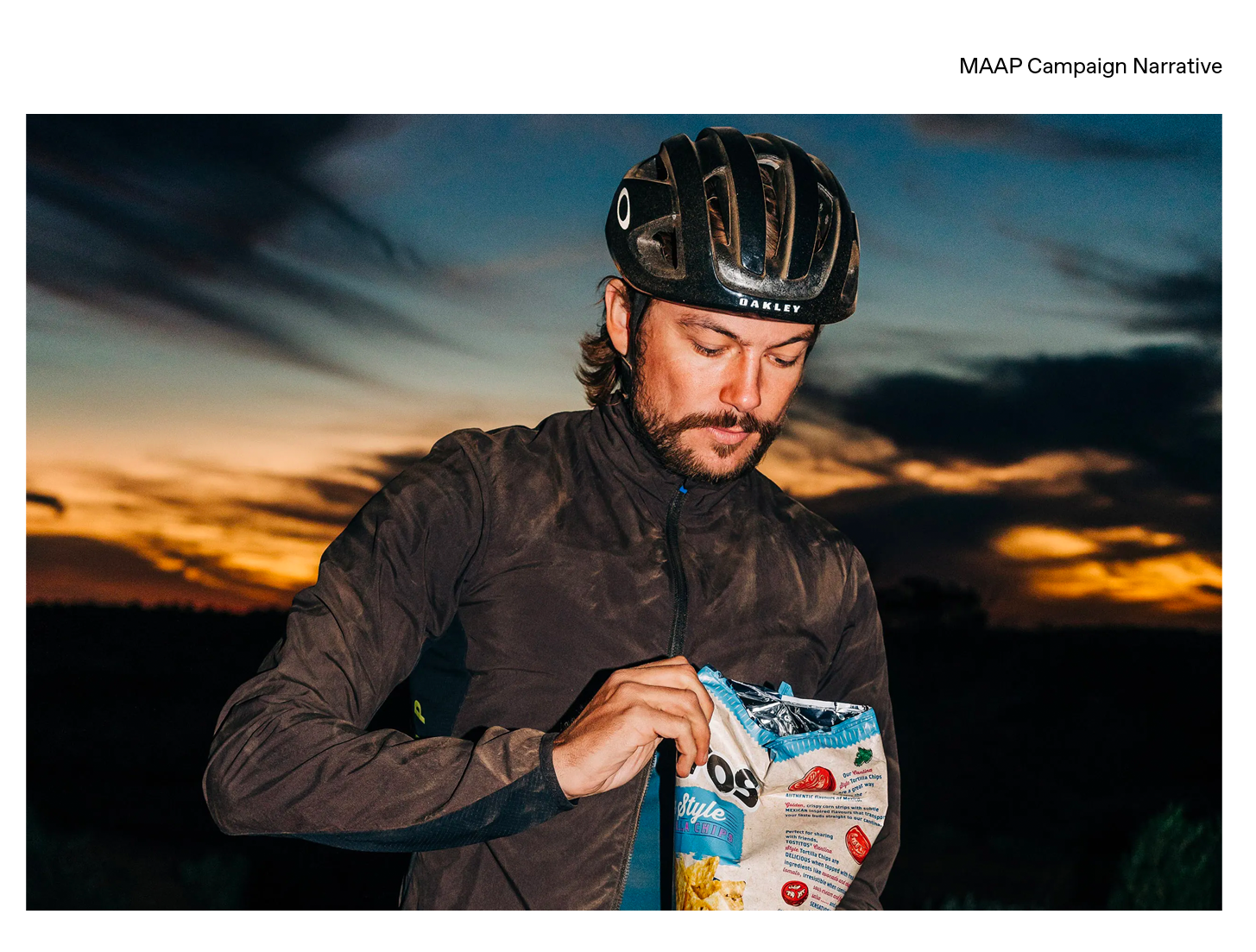
The thing is, designing for aesthetics doesn’t just come down to product. The way an item is shot goes a long way to seeing how it’s perceived. I break down the creating a narrative through imagery in a recent article;

The importance of product should’t be overlooked, but what really draws people in initially is the way it’s shot, the narrative you build, and the feeling of aspiration you evoke. Look at the example of their eCommerce photography above. It’s beautifully simplistic but aesthetically very appealing.
Product wise, there’s no doubt MAAP has a very strong offering. From balancing understated jerseys with the small MAAP logo, to geometric prints and colour blocking, the company’s growth has allowed it to experiment with a number of core styles to offer lots of choice to its customer.
Branding systems
Having scaled into other categories, I have noticed that MAAP uses somewhat of a branding system to differentiate its products, which I think is a unique way to categorise different parts of their brand.
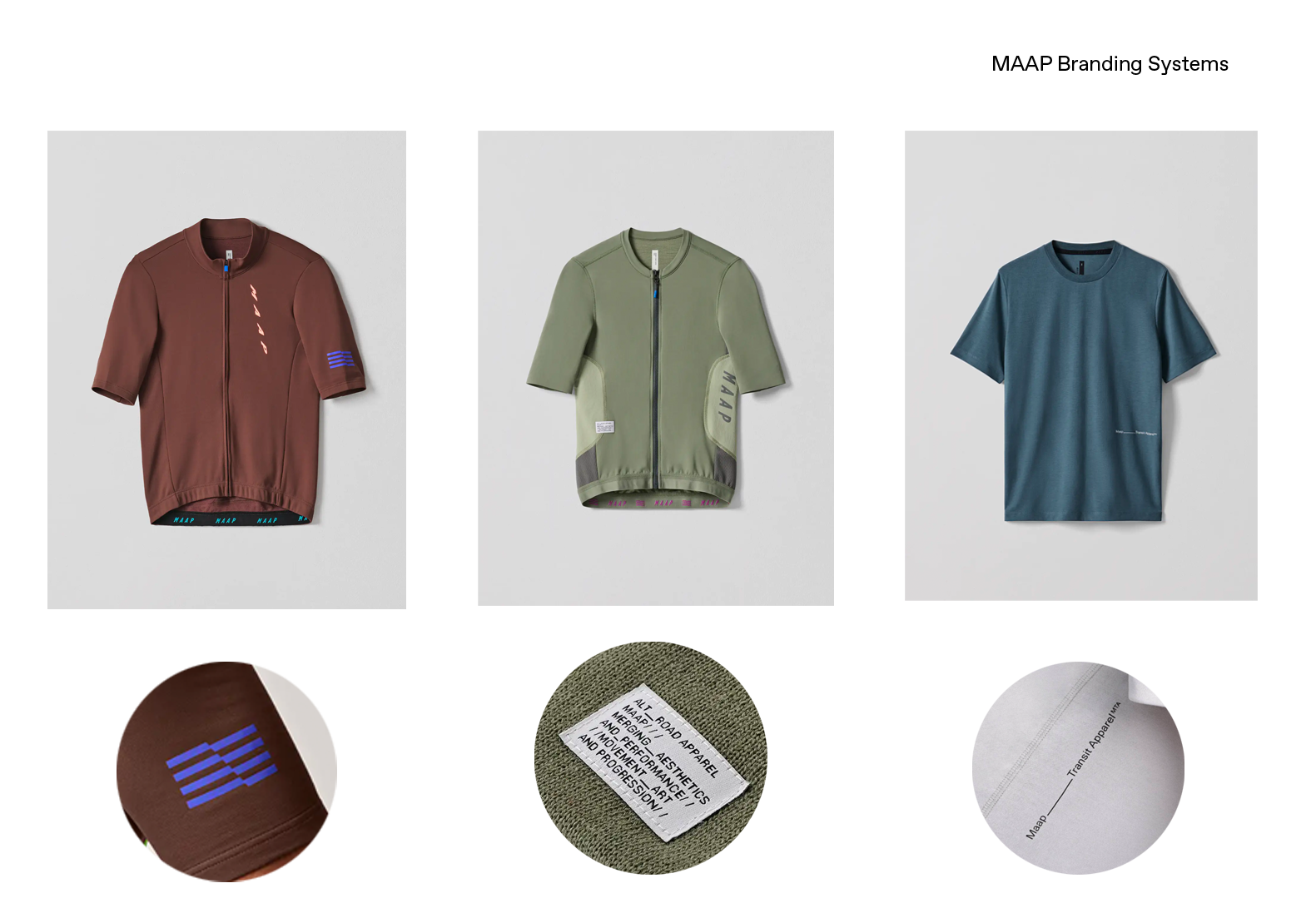
From a start-up sense, you’re very unlikely to have different categories, so branding systems may not be suitable, but when we discuss the fashion side of balancing fashion and function, branding is a huge element of that.
Alongside this, MAAP have collaborated with a number of niche and up and coming brands, notably The Arrivals, and Australian retailer/brand P.A.M which has seen the inception of two collections together.
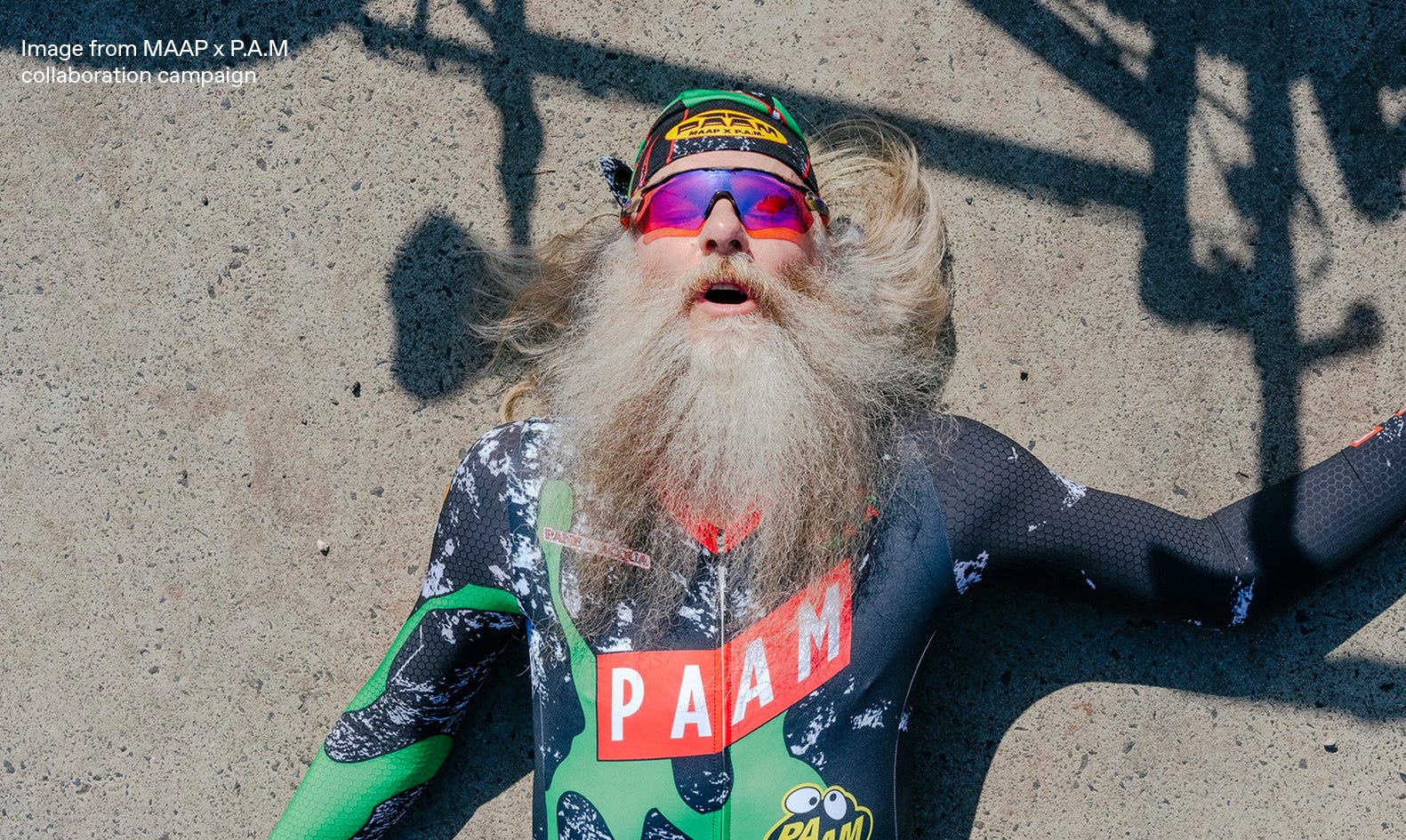
Collaborations, as mentioned before with Satisfy, are a great way to tailor your narrative as a brand. Associating yourself with a brand in another space will immediately open up their audience to your brand.
I know if I see a brand I really like partner with a brand that I haven’t heard of, I’ll immediately take note and explore it further. I’ll also likely associate that brand as cool as its been trusted and partnered up with someone I already respect.
Branding
There’s no doubt as consumers we’re drawn to ‘brand.’ Whether that’s the ethos, mission, story-telling approach, or brand campaigns, these all play a significant part in how we perceive such a brand.
Product branding - I believe - can play a big role in how stylish a brand is seen within the market. I’m not talking about traditional logos here, but a new approach to branding.
Explore how you can approach branding differently. Can you be unique? Can you innovate? Can you be that brand that people within your space know even without seeing a logo? This is not only a powerful marketing tool, but your brand starts to take on this appearance of understated cult-like status by association.
The power of if-you-know-you-know is hugely impactful in modern day brands. It gives this element of exclusivity, but evokes the feeling of aspiration.
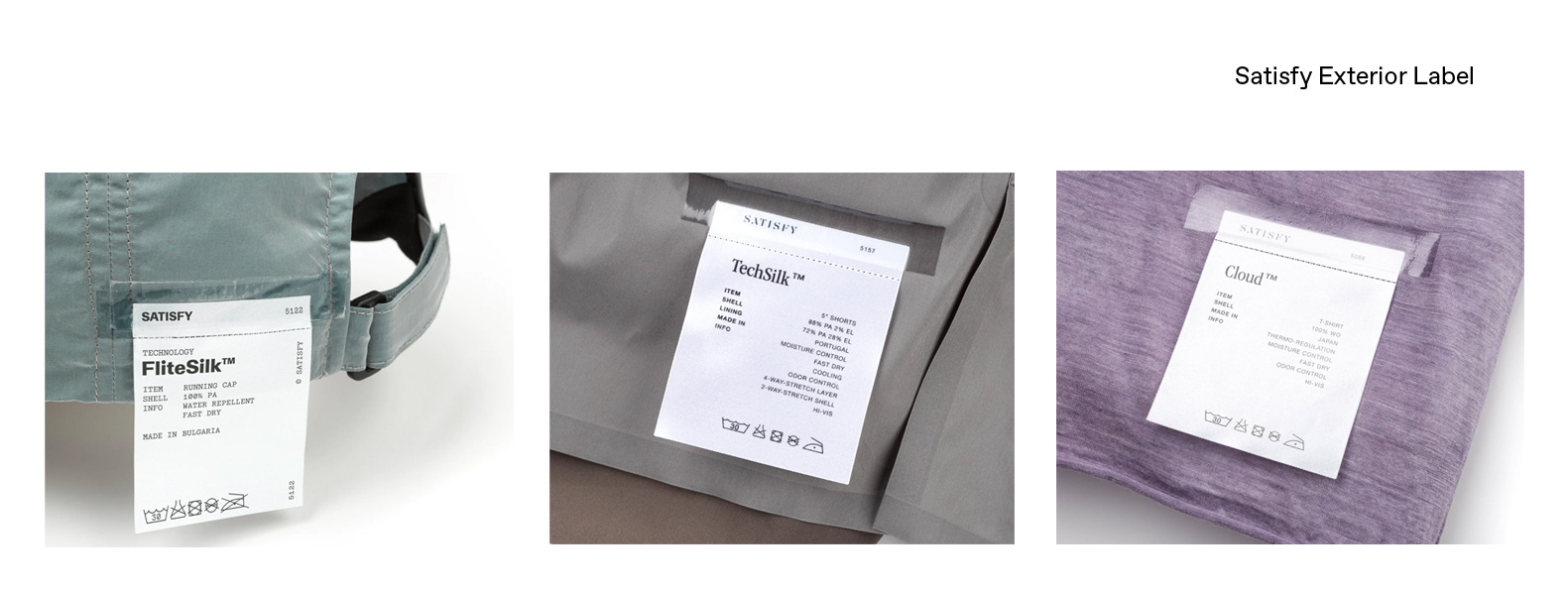
Satisfy Tearaway Care Label
Going against the grain of the traditional care label which is stitched into the garment, Satisfy decided to make the care label a key branding mechanism. Whilst many sportswear brands either sew in their labels, or better yet, screen print to eliminate chafing, Satisfy were unique in their approach. This clever branding element acted as an identifier for the brand, without the need for the Satisfy logo. And, although you’re clearly meant to remove the label upon purchase, many don’t as they want to be part of that if-you-know-you-know community.
Klättermusen Design Language
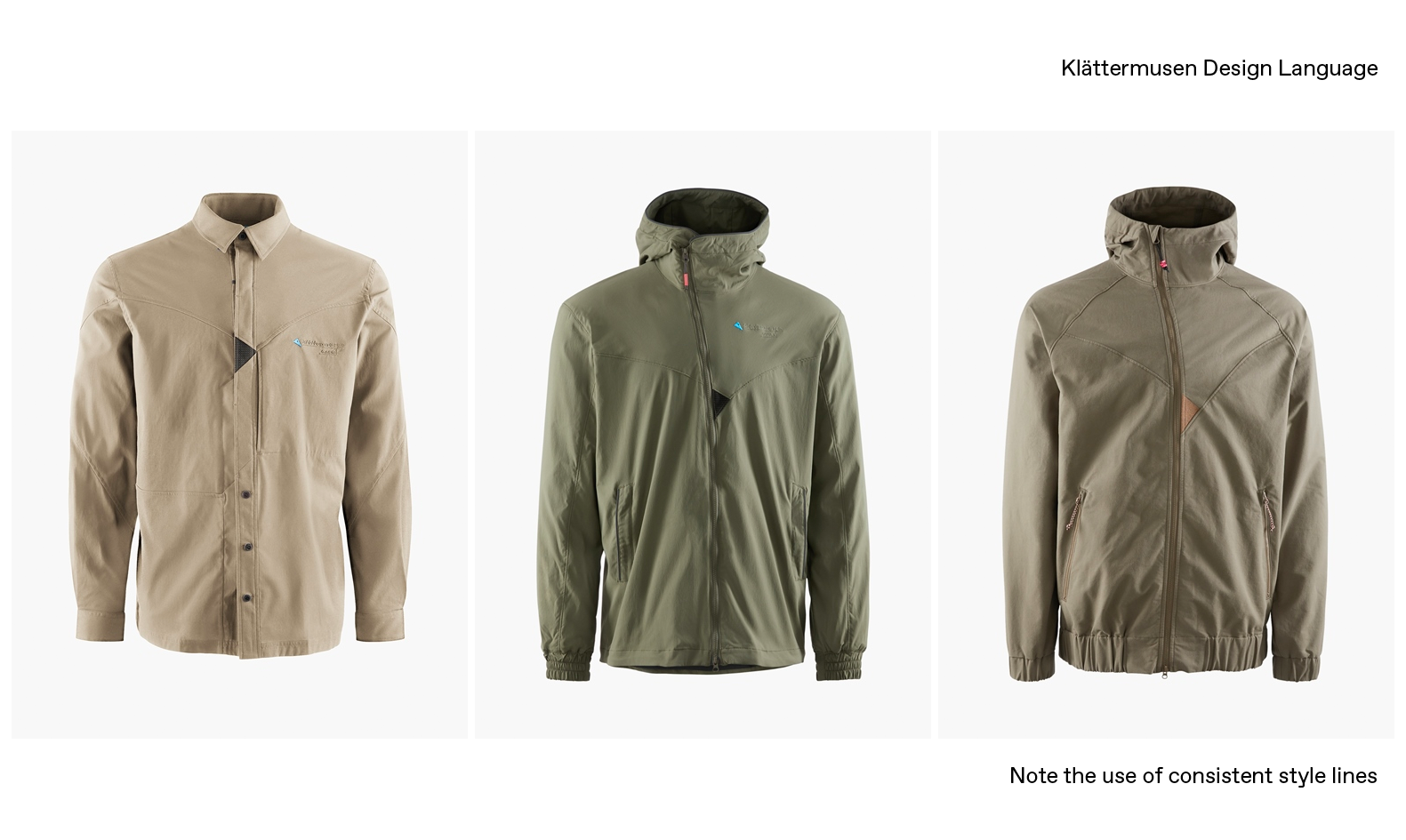
There’s a consistent design language that runs through the veins of Swedish outerwear brand, Klättermusen. The infamous triangle forms a key part of their brand identity, but they don’t stop there. What makes Klättermusen recognisable for me is the clever use of design lines through the use of geometric shapes and asymmetry.
From a style standpoint, it gives the brand recognition, without having to plaster their logo across the garments. For me, this is the key to building a strong and stylish brand - creating garments that are recognisable, without the obvious recognition in the form of a logo.
Final thread
Building for fashion and function requires a fundamental understanding of what sort of brand you want to build. Creating what’s perceived as a stylish brand really depends on your target market first and foremost.
Style, as I said, it subjective. Let’s say you’re a running start-up. You have to first ask yourself; “do you want to create a brand that operates in the same space as the likes of Satisfy, District Vision, Bandit Running and Tracksmith?” If you do, how are you going to be different to them. Remember, product is not the only differentiator and I can’t stress this enough.
If you’re in the activewear space, function has to be the focus. Creating a ‘cool’ brand won’t get you anywhere if you don’t have the functional foundation to back it up. People may buy once, but they’re unlikely to buy again. Function first, fashion second. To create a stylish brand, I’d say my top tips are;
Craft your narrative,
Use consistent design language,
Explore branding mechanisms
Shoot great imagery.
If you have any questions, please connect with me here.
Great article. As a wise man once said "Function can be fashion, but fashion can't be function."