

Do One Thing Exceptionally Well. Why Sportswear's Specialists are Beating the Generalists
From Gymshark's return to roots to On's impressive growth in running, the brands with the clearest focus are pulling away. Here's why it matters for product teams.

Good morning everyone.
Back in Portugal this week after spending the weekend in Barcelona with my brother. It was my first time visiting, and I really enjoyed it. Went to plenty of great restaurants, cafes and got a chance to visit the Picasso museum.
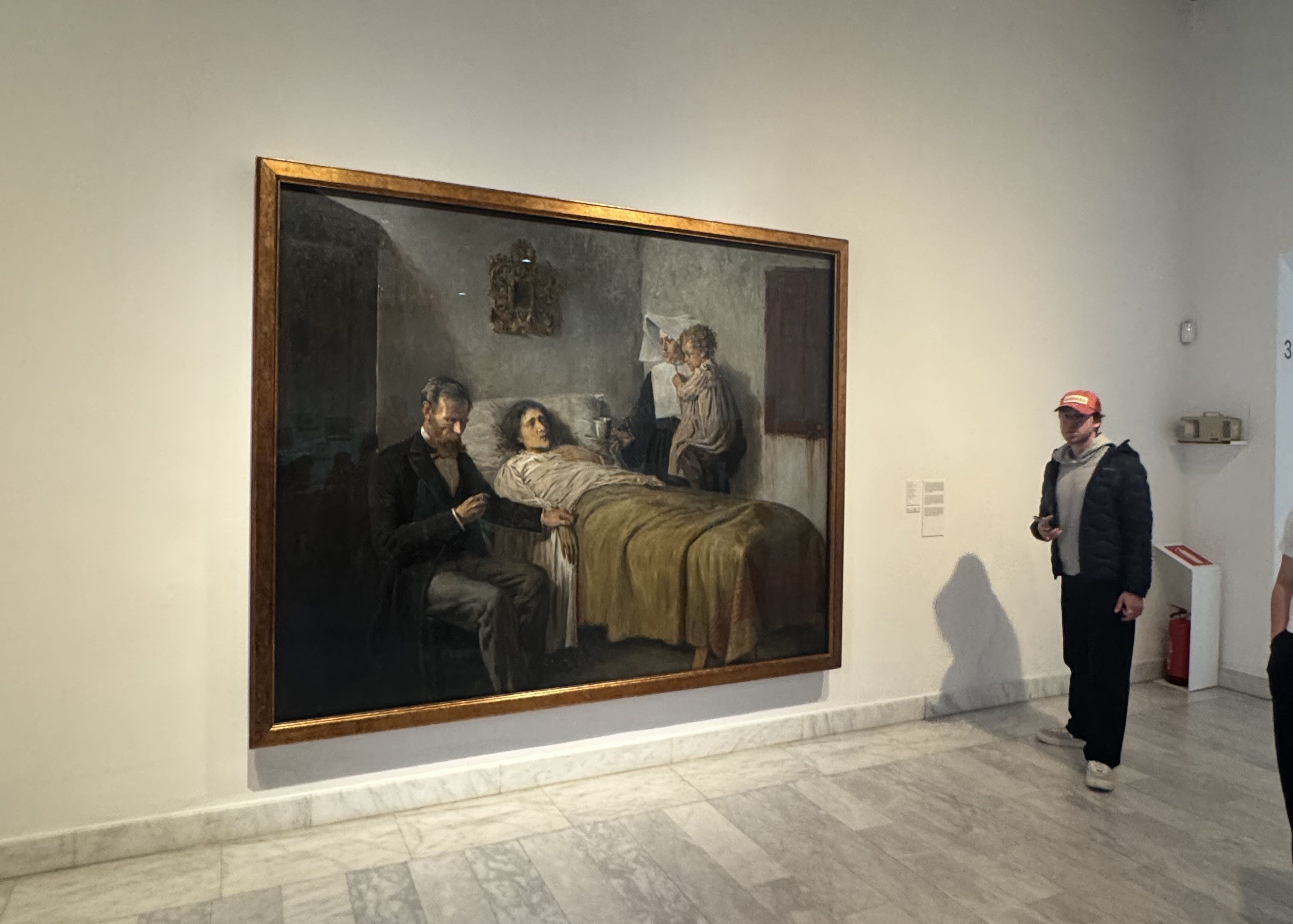
I don’t claim to be super interested in art, but I was actually fascinated by this piece, an oil on canvas called “Science and Charity” painted in 1897. Not his typical style, but something quite beautiful about it, especially when you see it close up.
Anyway, enough about my weekend escapes and onto Friday Thread, where this week I’ll be exploring how the specialists brands are winning, and how those diversifying are the ones that are really struggling to keep up.
If you look at the sportswear landscape right now, there’s a pattern that I think is becoming more and more pertinent. The brands with the clearest momentum and the ones generating cultural relevance and commercial growth, are the ones doing the least. This doesn’t mean the least work of course, but the least category expansion. They’ve picked a sport, built a world around it, and committed to it fully. The brands who are trying to be everything to everyone, they’re the ones struggling the most.
I believe sportswear specialists focus is emerging as the most powerful brand strategy in sportswear right now, and wanted to explore which brands are executing it best, and what it means for anyone building or managing a product range in 2026 and beyond.
Let’s get into it.
1. The Specificity Advantage
Why Focus Creates Clarity
The instinct for most sportswear brands, particularly those that want rapid growth, is to expand. You may start as a training brand, things go well, so you move into running. Following that, you may move your way tennis, golf, rugby, cricket or even F1 (Castore, for example).
In fact, when I was working at lululemon, I remember distinctively when the hiking product was launched, with the brand trying to tag onto the back of the gorpcore movement at the time, and truthfully, it was a complete flop. lululemon going into hiking had no authenticity. Brands that won in that space (Acr’teryx, 66 North, Outdoor Research, Klättermusen) did so because they were authentic, credible outdoor brands.
Even I was guilty of this when I was running Torsa. Although I set out to be a premium gym training brand (which was authentic to me), I pivoted to running because many of my customers were using Torsa for running. Whilst in the short term, this pivot made sense for cash flow, if I took a step back and reassessed why I started the brand, I would have stuck to my initial instincts and continued to position ourselves as a gym brand.
When you diversify without a clear strategy, what actually happens, more often than not, is dilution. Your design language stretches, fabric strategy fragments, marketing has to serve multiple audiences with different motivations, different aesthetics, different purchase triggers. The brand that once stood for something specific starts to stand for everything. When you stand for everything, frankly, you stand for nothing.
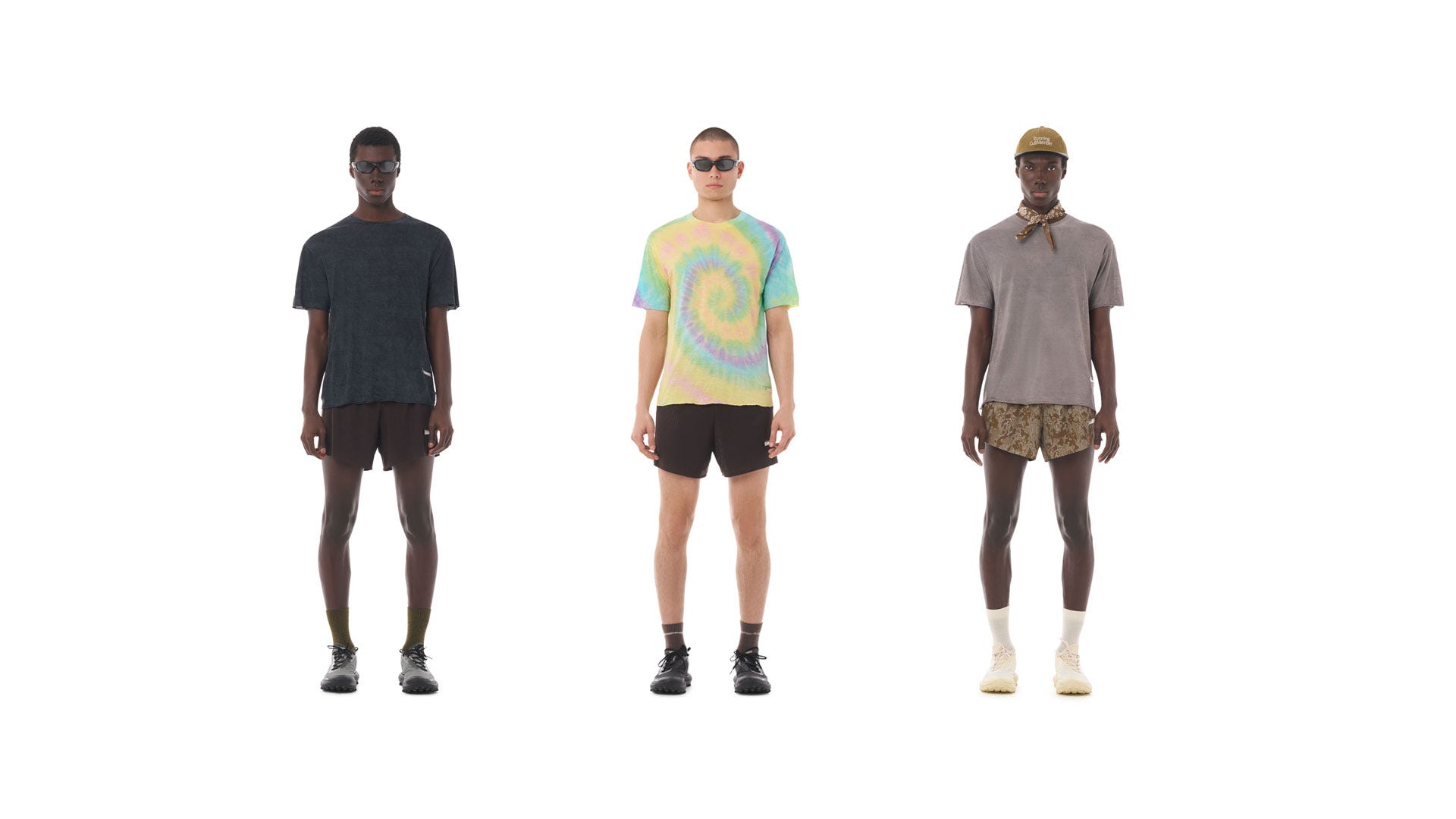
The brands winning right now understand this intuitively. Soar, are strictly a running brand, and are able to speak authentically to that. Tracksmith, the same. MAAP and Pas Normal focus solely on cycling. By saying no to categories outside their core, they protect the integrity of what they do best.
This isn’t just a branding exercise either. It has direct implications for product development. When your entire design team is focused on one sport, every fabric decision, every seam placement, every silhouette choice is informed by the same end-use. There aren’t internal conversations like “this needs to work for running and training.” The product gets better, more focused, because the brief is sharper.
I think about this in the context of fabric strategy, something I explored in depth in my recent article on natural materials.

When Satisfy develops their Cloud Merino programme (which, by the way, they have just relaunched), they’re developing it for runners. The weight, the gauge, the blend ratio, everything is optimised for how merino performs during a run. If they were also trying to make that fabric work for a gym session or a cycle ride, the compromises would start creeping in. Maybe they would consider a slightly heavier weight for durability in training, a tighter to body fit for cycling etc. Before you know it, you’ve got a fabric and shape that’s adequate for everything but exceptional for nothing.
2. The Generalist’s Dilemma
Why Multi-Sport Brands Struggle to Create Meaning
The challenge for multi-sport brands isn’t operational. Nike, Adidas, Under Armour and Puma (the historical big four) have the resources, the supply chains, and the talent to compete in every category. The challenge is actually emotional.
It’s increasingly difficult for a brand that makes running shoes, basketball shoes, football boots, training gear, golf apparel, and lifestyle trainers to create the kind of deep cultural connection that drives loyalty and premium pricing.
Looking at golf, take Manors as a comparison point. The London-based golf brand, founded in 2019 by my good friend Jojo Regan, and co-founders Luke Davies and Nick Watts, does one sport, golf.
And yet, they’ve just achieved their first EBITDA-positive financial year (in a brutal retail climate), raised £3 million in a round led by Redrice Ventures, and 25% of the company’s total revenue now comes from content and brand experiences rather than product sales alone. They’re stocked in Harrods and Selfridges, whilst 70% of their business is DTC, and just opened their first standalone store in South Korea.
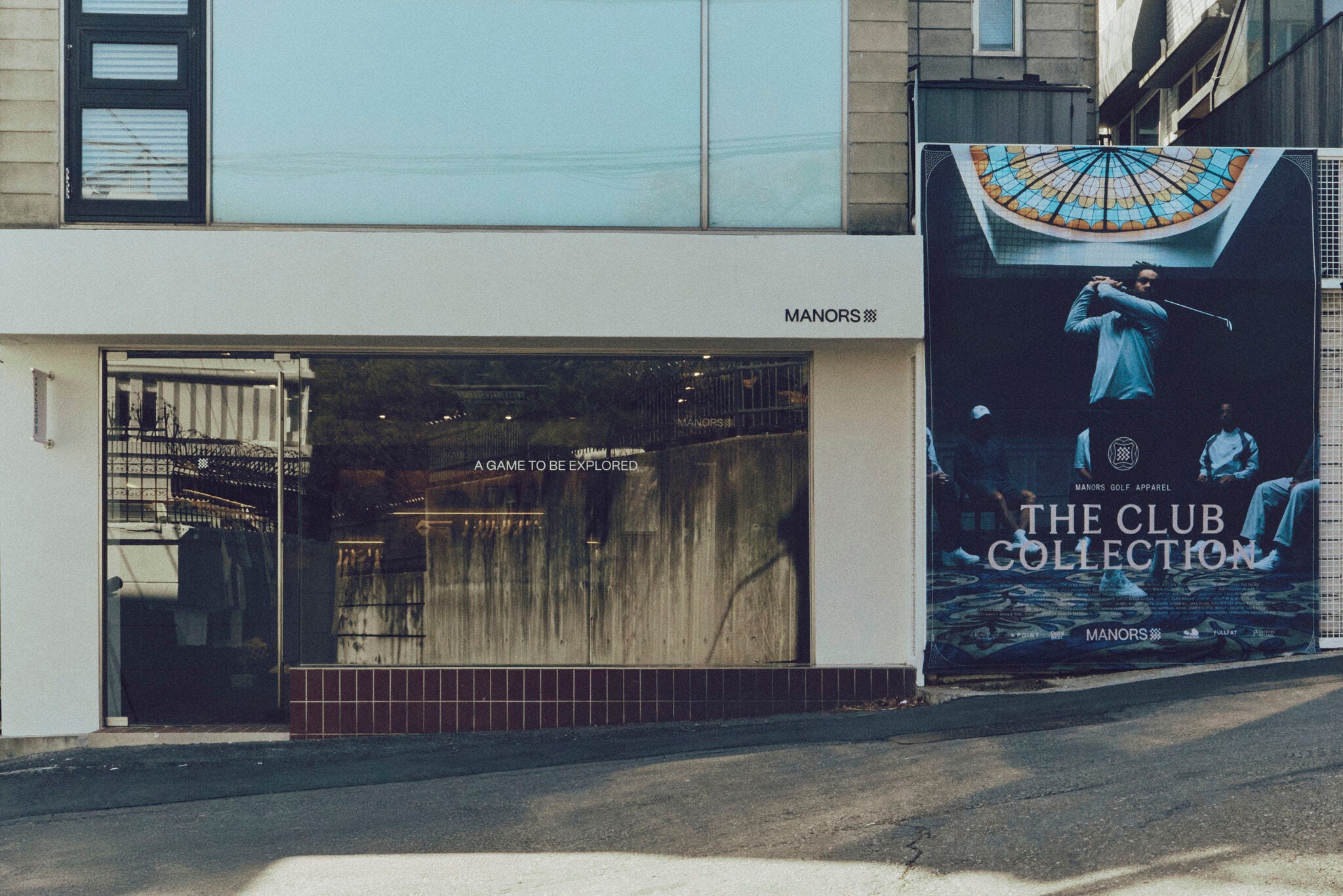
When Manors releases a collection, or hosts one of their sold-out golf events in the Scottish Highlands, their community knows exactly what they’re getting. The visual language, the tone, the product, it all serves one world. As their co-founder Jojo Regan puts it, “golf isn’t a sport to be mastered, but a game to be explored.” That clarity of thought means every piece of content, every collaboration, every product decision reinforces the same story.
Now compare that to when Nike releases a new collection. It could be anything from a Skims collaboration to an elite marathon shoe to a £30 cotton t-shirt. The breadth is impressive, but it creates noise. In a market where consumers are gravitating towards brands with clear identities and authentic communities, noise is not a benefit, but a hinderance.
Of course, a brand of Nike’s size has to get there by diversifying, but you’ve seen from them entering and subsequently ‘failing’ in categories such as golf clubs, cricket specific gear, and surfing, that even the biggest and best brands aren’t immune to this trap. Diversifying isn’t straightforward and can dilute resources, core values and expertise.
A generalist brand presents a much harder proposition. Which version of Nike do you put on the shop floor? The running version? The lifestyle version? The training version? Each carries different design codes, different price architectures, different customer profiles. The buyer has to make a curatorial decision that the brand hasn’t made for them. I even have reason to believe that despite the incredible activations and events around the relaunch of ACG, it’s coming in very short of expectations numbers wise.

There’s also growing evidence that consumers are mixing brands by activity rather than choosing one brand for everything. They run in On, train in Nike, cycle in MAAP, and wear something else for lifestyle. Brand preference has become situational rather than absolute. In that world, the brand that owns one occasion completely will always beat the brand that’s the second choice across five occasions.
3. The Return to Roots
What Gymshark’s “We Do Gym” Tells Us About the Power of Focus
If there’s one brand in sportswear right now that proves the specialist theory in real time, it’s Gymshark. Not because they’ve always been focused, but because they tried diversifying, realised it wasn’t working, and came back to their roots with one of the most decisive brand repositioning campaigns I’ve seen in recent years, especially in sportswear.
Most readers will know the story of Gymshark, where in the early days founder Ben Francis was printing t-shirts in his parents garage in Birmingham. From the outset, he just wanted to create gym clothes, sold direct-to-consumer and promoted by fitness influencers on Instagram before “influencer marketing” was even a strategy. The community was built around lifting, training, and the culture of the gym. It was specific, it was authentic, and by 2020, Gymshark had hit a valuation of over £1 billion.
But somewhere along the way, the brand started to drift. As Gymshark grew, so did the temptation to expand. They launched “Everywhere,” a high-end collection aimed at the athleisure consumer. They explored lifestyle product, and started to delve deeper into running.
They broadened the marketing beyond the gym, trying to compete in a space already dominated by lululemon, Asics, Nike, New Balance, On and adidas. The product started to feel less distinct. And whilst revenue continued to grow, profitability told a different story.
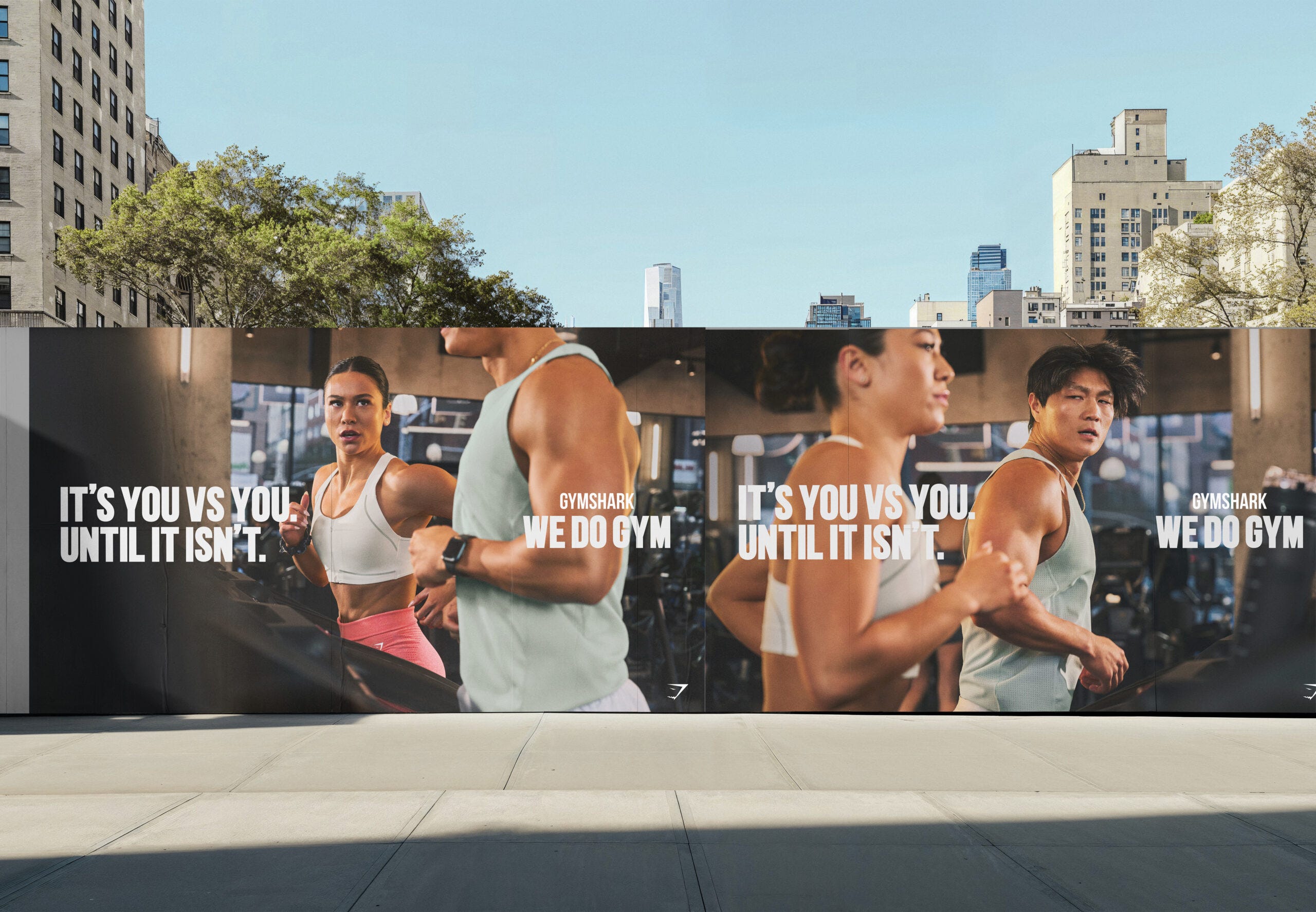
Then in 2024, they launched the campaign “We Do Gym.” The campaign is one of the clearest examples I have seen of a big brand clearly defining who and what they are.
“We’re not good at everything. We’re great at one thing. People sometimes mistake us for a sports brand or an athleisure brand, but we’re a gym brand. That’s a new idea to many, but to us, it’s our reason for existing.”
Gymshark’s Chief Brand Officer Noel Mack
The campaign itself is very clever, leaning into the if you know, you know moments of gym culture. I have spoken previously about the importance of the if you know, you know when it comes to product (Rimowa’s curved design lines, Satisfy’s tearaway tag, Maison Margiela exposed sticthing) - but Gymshark weaved it through a shared culture of gym.
Call-outs like cicken, rice, and broccoli, bum scrunch shorts, stringer vest nip slips, and never skip egg (leg) day. It’s specific, funny, and it speaks directly to the community that built Gymshark in the first place. You either get it or you don’t, and that’s entirely the point.


What’s strategically interesting is how the campaign has evolved. The initial phase was heavily focused on weightlifting, which is Gymshark’s main focus. The second phase, launched in early 2025, broadened the definition of “gym” to include HIIT, pilates, functional fitness, treadmill running, and anything that happens within the four walls of a gym.
As their Senior Creative Mikey Robinson explained:
“Once upon a time the gym was all about lifting heavy weights, but increasingly it’s so much more than that. We want to be the brand that represents weightlifting as well as any and all activities that happen within the four walls of the gym.”
That’s a smart evolution. It expands the addressable market without abandoning the positioning. Gymshark isn’t saying they do running. They’re not saying they do hiking or cycling or tennis. They’re saying they do everything that happens in the gym. It’s still specific, and they can speak authentically to it.
For me, Gymshark’s journey is the most instructive case study for this article. They lived the generalist mindset of growth, expanded into lifestyle, athleisure and running, saw it may not have had the impact they wanted, but then had the courage to come back to what made them successful in the first place.
Although I am certainly not a Gymshark customer, I respect their decision to restore what they do best, and what they were initially known for.
4. The Controlled Expansion Model
How On Running Diversified
On is probably the most interesting counterpoint to the specialist-sport argument, because they’re actively expanding, but doing it from a position of extraordinary strength in one category. They’ve expanded from performance running into performance all day, tennis, and training.
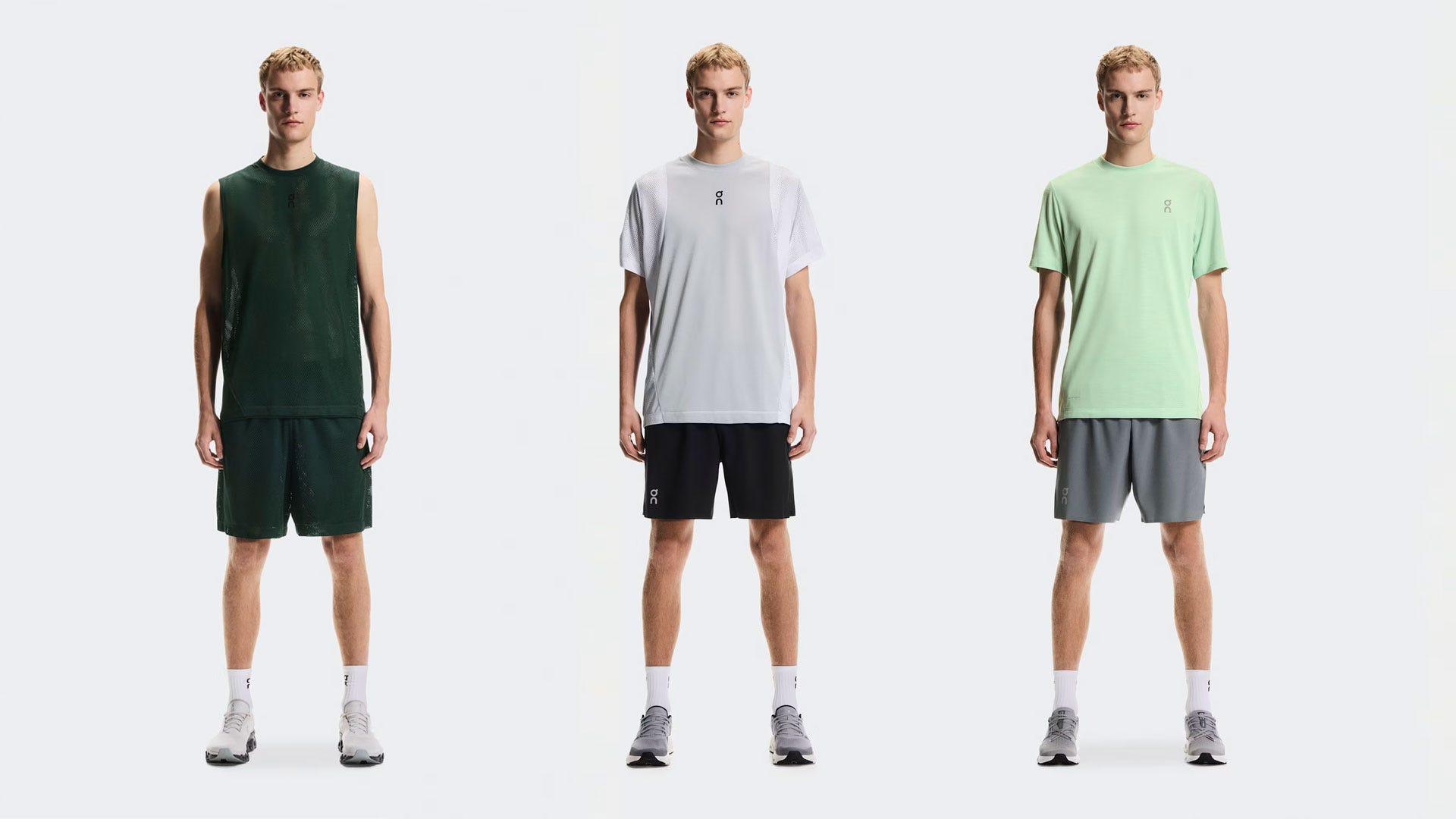
However, On spent over a decade establishing an an incredibly strong position in running before they moved into anything else. The CloudTec midsole, Swiss precision aesthetic, and athlete-backed credibility were built within the running category over years. The brand identity was so clearly defined that when they expanded, consumers understood what an On tennis shoe would feel like, even before they’d seen the product. The design language transferred because it was rooted in something specific, not something generic.

Compare this to a brand like Under Armour and Puma which has tried to compete across football, basketball, training, running, golf, and outdoor simultaneously, without ever truly owning any single category. These brands have breadth. What they lack is the depth of identity that allows consumers to connect emotionally with the product.
On’s expansion into tennis is a good example of how to do it right. Roger Federer isn’t just a sponsored athlete, he’s a shareholder, (as well as arguably the greatest tennis player of all time). The Roger Pro shoe grew directly from that relationship and from a genuine shared design philosophy, not just a marquee name like lululemon tried to do with Lewis Hamilton.
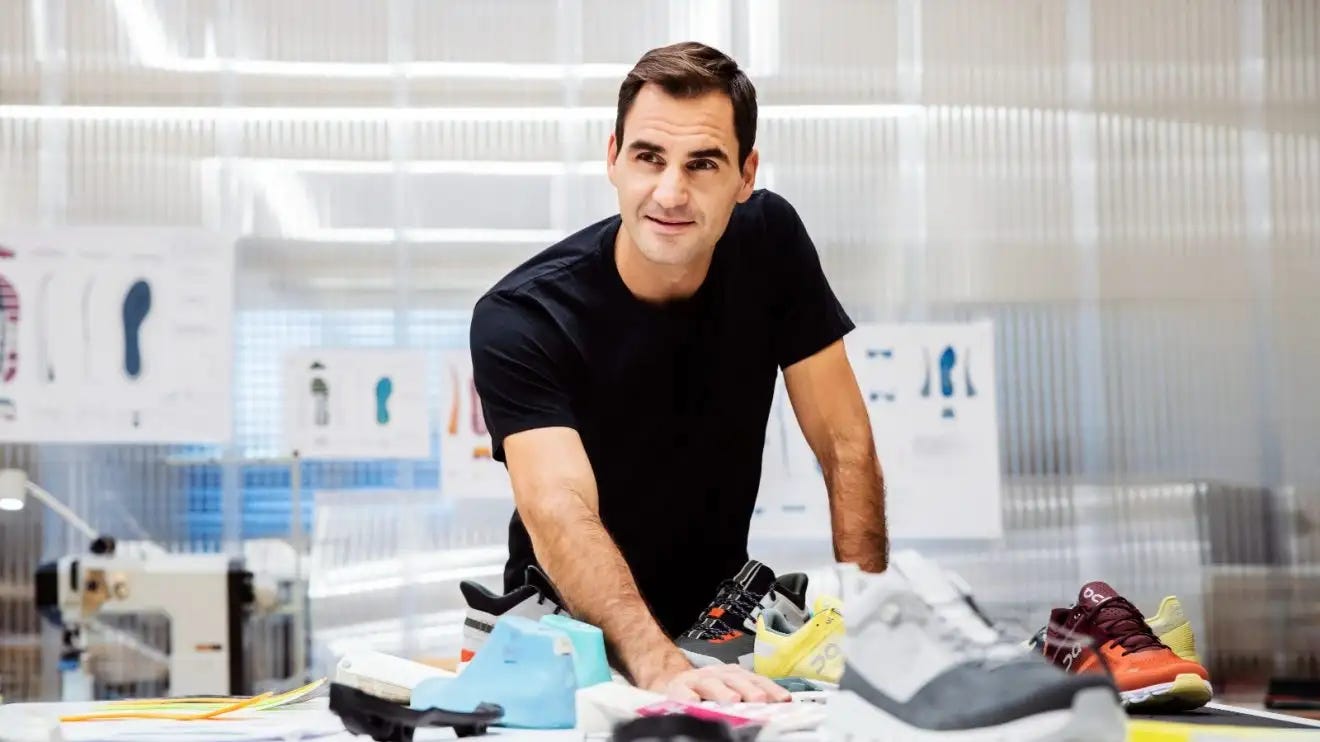
The question for On is whether the expansion eventually catches up with them. History suggests it might, but even in a retail market as volatile and tough as it is now, On’s performance can only be admired.
5. Where Do We Go From Here?
The Case for Depth, Not Breadth
I’m not suggesting that every sportswear brand should only ever serve one sport. The market needs brands at every scale and across every category. Nike serves a purpose that Satisfy never could, and that’s fine. But I do believe that the current moment is teaching us something important about how consumers choose sportswear in 2026.
The consumer isn’t buying a brand anymore. They’re buying into a world, even a culture. The more focused that world is, the easier it is to enter, to understand, and to feel a part of. Tracksmith’s world is collegiate American running heritage. Manors’ world is golf. YETI’s world is built for the wild, whatever your wild looks like. Rimowa’s world is travel. These worlds are specific, and that specificity is precisely what makes them compelling. You can see yourself in them, or you can’t. There’s no grey area.
For anyone building a sportswear brand, the question isn’t how many categories you should enter. You should be asking yourself how deep can you go in the one you’re in?
This has implications across the entire business. Range planning becomes simpler when you’re designing for one end-use, because every product has a clear relationship to the one next to it. Fabric strategy becomes more focused when you’re sourcing for one set of performance requirements, meaning you can invest in fewer, better materials and build genuine expertise. Especially when you’re starting out, a fragmented range across multiple categories means smaller runs of more fabrics, which pushes up costs and complicates production. A focused range means larger commitments to fewer fabrics, which drives down unit costs and gives you leverage with mills.
Storytelling becomes more authentic when you’re speaking to one community. Your content doesn’t have to serve runners, gym-goers, hikers and tennis players. It serves one audience, deeply and meaningfully.
Even manufacturing becomes more efficient. When your product architecture isn’t fragmented across fifteen different categories with different construction methods, different fit blocks, and different factory capabilities, you can work with fewer, better manufacturing partners. That continuity matters enormously for quality, and it’s something that gets lost when you’re spreading production across multiple factories serving multiple categories.
A Note on Padel
One final thought. In my trends piece at the start of the year, I identified padel as a significant growth opportunity. You can read that piece below:

What’s interesting to me is who will own padel’s aesthetic. Right now, the market is dominated by equipment-first brands like Bullpadel and Nox, with Adidas, Babolat, and Head also present. But the apparel side is wide open. Bullpadel offers the most substantial apparel range, but by some distance, the rest of the market is thin.
The real opportunity sits with a brand that doesn’t exist yet. A brand that does for padel what Rimowa did for luggage, or what Satisfy and Tracksmith did for running. A brand that builds an entire world around the sport, from the apparel to the cultural identity, with the kind of design specificity and community focus that the generalist brands simply cannot replicate. There are definitely a few brands making moves in the space, notably Lacoste and On. The former clearly repositioning themselves back to their tennis roots (and subsequently padel), and the latter signing the number 1 padel player in the world, Arturo Coello.
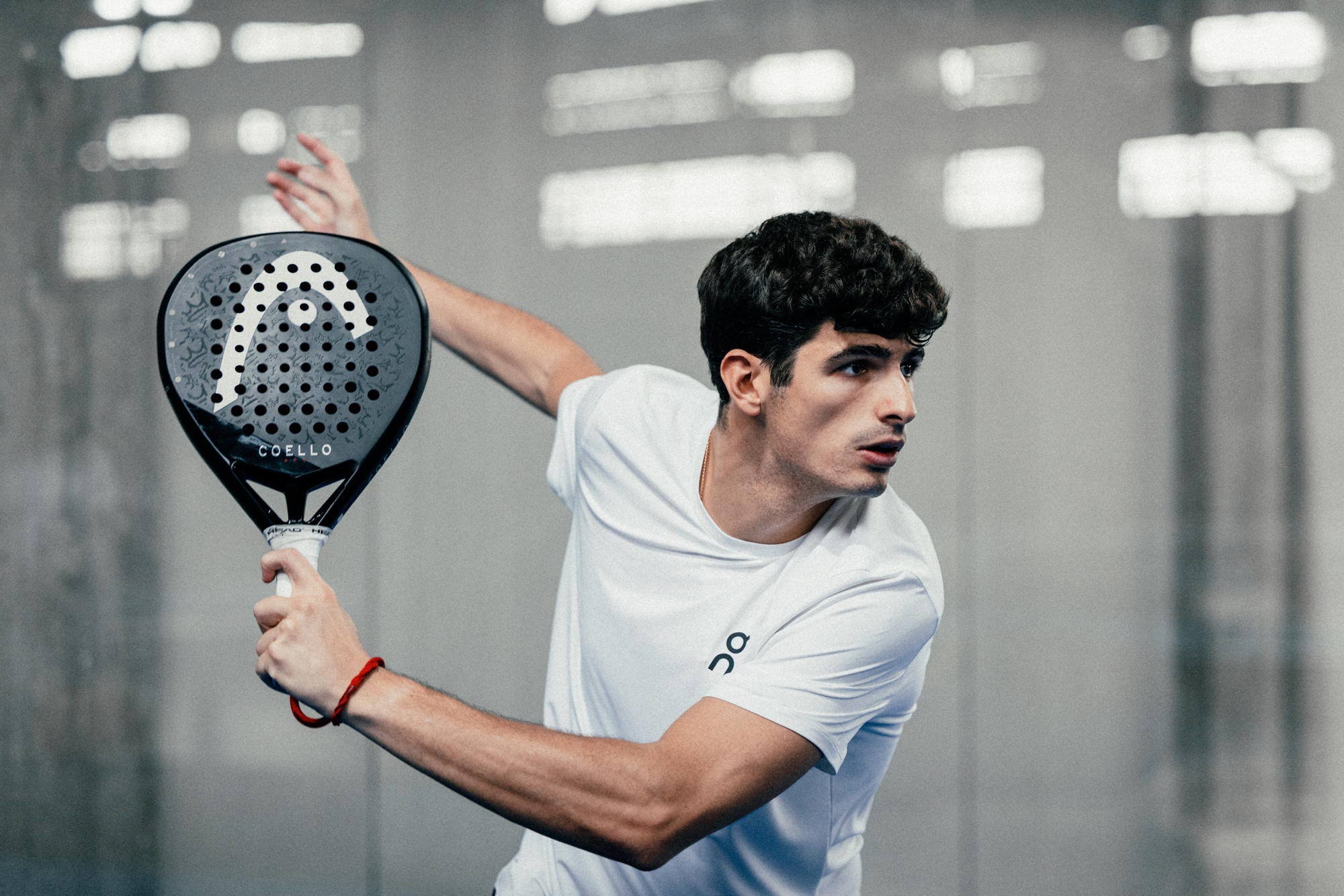
If the specialist-sport thesis holds, the brand that defines padel won’t be one of the “Big Four” adding a padel capsule to their range. It’ll be a specialist. And it’ll win precisely because it chose to do one thing exceptionally well.
Final Thread
I don’t believe the specialist movement in sportswear is a passing phase. Consumers are becoming more discerning, and with that, they’re less loyal to brands and more loyal to the brand that serves their specific activity best. The generalist proposition, the idea that one brand can credibly serve every sport and every customer, is being tested.
I haven’t touched too much on the role of community in this article, although it deserves its own deep dive at some point. But it’s worth noting that the brands executing the specialist model best, Gymshark with their gym culture, Manors with their golf events, Satisfy with their running community, are also the ones building the strongest communities. When your brand serves one audience, your community forms naturally around a shared identity. When your brand serves everyone, your community splits across different categories.
There’s also a product development dimension that I think matters here. For designers and product teams, the specialist-sport model doesn’t just simplify your marketing, but it also simplifies your entire development process. Your fabric strategy serves one set of performance requirements and your range architecture has a natural coherence because everything is designed for the same end-use. It allows you to invest in fewer, better materials and build genuine expertise in how they perform.
For anyone building or growing a sportswear brand in 2026, or managing product strategy within a larger one, the question to ask is not whether you should expand into more categories, but instead, have you gone deep enough in the one you’re in? The consumer is ready for brands that commit fully to one sport, one community, and subsequently one world. The brands that move first, and stay focused, will own the narrative.
Thanks, as always, for reading Friday Thread. If you enjoyed this article, please share and subscribe, it really does make a huge difference.
Loved this article. It’s been so interesting to see the shift. Whilst at Nike I was warning of the sport specific disrupters all of whom only want 1% of their business in each area and focus purely on that consumer.
Satisfy and On.
Alo Yoga.
Gymshark.
Every other small brand.
Nike tried to take the revenue from from each category whilst taking away community resources in skateboarding, training, yoga and more. Meanwhile Soccer, Basketball get so much resources but in reality are there to drive brand but not revenue. Whilst the disrupter brands are using their focus as their brand driving position so it’s a fascinating shift.
Great piece, loved it.
nice writting, enjoyed this piece.