

From Performance to Wellbeing. Why the Reason People Train is Changing, and What it Means for Sportswear
From third spaces to longevity culture, the consumer forces reshaping what sportswear brands build, who they build it for, and how they position it.

Good morning everyone.
Sorry for the radio silence last week. I drove up from Portugal to Galicia, Spain in the trusty Mitsubishi Outlander for a few days of surfing and eating, which is basically all you need to know about the trip. I also attempted to dust off my Spanish, which I can confirm needs a lot of work. We didn't get too lucky with the waves, but the food more than made up for it. Galicia is one of those places where you can walk into the most unassuming restaurant and eat a truly incredible meal.

Funnily enough, the whole trip felt like a perfect example of what I want to write about this week. Because the way I spent those few days, surfing, walking, eating well, recovering, wasn’t about performance or training for anything. It was about feeling good. And I think that shift, from performing to feeling good, is exactly what’s happening across the sportswear industry right now.
In recent months and years, I have started to see a significant shift in how consumers are viewing fitness. Five years ago, someone going to the gym would tell you about their bench press or their 10k time. Today, that same person is more likely to talk about their sleep score, their zone 2 cardio, their resting heart rate, or how they recovered after a training session. The language has shifted from performance to wellbeing. From how hard did you train to how well do you feel. It’s gone from chasing personal bests to investing in long-term health.
A recent example that immediately springs to mind that backs up this shift is Whoop. A couple weeks back, the fitness and health tracking wearable company closed a $575 million funding round at a $10.1 billion valuation, nearly triple what it was valued at in 2021. The notion that a wristband without a screen that tracks your sleep and recovery is now worth more than most sportswear brands is crazy to me, but that tells you everything about where the consumer's head is at. There is a shift in why people move, how they train, and what they expect from the brands they wear while doing it.
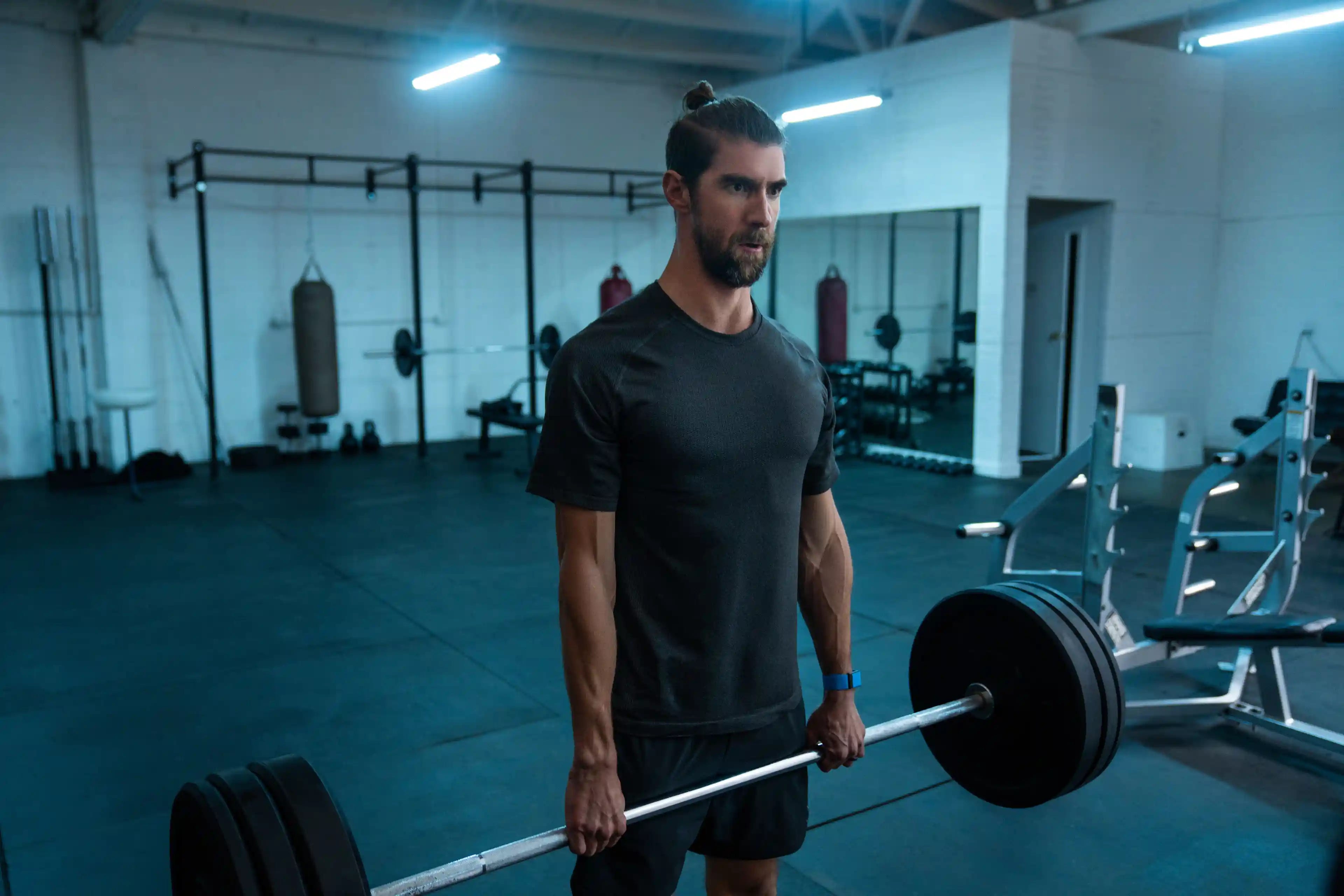
The BoF-McKinsey State of Fashion 2026 report backs this up, identifying wellbeing as one of the defining consumer themes of the year. They found that 51% of consumers would maintain or increase their wellness spending even if their income decreased. The US wellness market alone is now worth $500 billion, growing at up to 10% per year. McKinsey describes this not as a passing trend but as an “enduring lifestyle shift.”
Europe, where I, and many of you likely live, shows a similar narrative of growth. Gen Z and Millenials are responsible for 60% of fitness spending growth, and more than half of Gen Z consumers consider fitness a core part of their identity. Fitness is not just a hobby, it’s a core part of who they are.
For many years, sportswear has been sold on performance. Faster, stronger, lighter, more technical. The product existed to help you perform, and the marketing existed to convince you that this particular fabric or this particular shoe would give you an edge. That narrative is still there, (although there has also been a shift there in story-telling which I covered in a previous article which you can read below.)

But alongside it, this shift to wellness driven thinking has key implications for how brands need to view business and strategy.
Let’s get into it.
1. The Shift in Why People Move
From Personal Bests to Personal Wellbeing
If I look at the people around me, both in my personal life and across the industry, the motivation for training has fundamentally changed for some people, including myself. The people I surf with in Portugal aren’t doing mobility work because they solely want to improve their surfing right now. They’re doing it because they want to be able to paddle out comfortably at 60 (so do I.)
My friends in London aren’t strength training because they want to look a certain way. They’re doing it because the science around resistance training and longevity has become mainstream, or it’s a key part of managing stress in their daily lives (I get it, London is stressful). Doctors and scientists like Peter Attia, Andrew Huberman, and Rhonda Patrick have gone from niche health podcasters to mainstream cultural figures in the space of a few years.
The result is a consumer who thinks about fitness differently. They’re doing Zone 2 cardio because it improves cardiovascular health over the long term. They’re lifting weights because of how it makes them feel mentally. They’re prioritising sleep, recovery, and stress management as part of their training, not separate from it. And crucially, they’re spending money accordingly.
This is the bit that matters for sportswear. When your motivation for training shifts from performance to wellbeing, your relationship with the brands you buy changes. You’re looking for product that fits into a broader lifestyle. Product that works across a Zone 2 run, a strength session, a walk, and a coffee afterwards. You’re looking for a product that feels good against your skin, but also transitions from training to daily life, and that signals something about how you choose to live.
I’ve been writing about elements of this shift across my last few articles without necessarily naming it as a single macro trend. I recently explored how cotton is returning to sportswear because consumers are prioritising feel and comfort over pure synthetic performance. Of course, this is also a shift based around other trends, but many people are moving away from plastic-based sportswear because of the research around microplastics and it’s impact on long term health. You can that article below;

2. Case Study: Alo Yoga
How Alo Became a Wellness Ecosystem
One clear example of a sportswear brand fully committing to the wellness shift is Alo Yoga.
Founded in Los Angeles, Alo started as a yoga apparel brand and since grown into a fully fledged activewear brand. Why this case study is increasingly relevant is that the founders, Danny Harris and Marco DeGeorge, both have a strong personal connection to yoga as a tool for wellbeing. Harris started yoga for his anxiety and DeGeorge to help with his back pain. It wasn’t just for exercise, but for recovery and mental wellbeing.
What’s notable about Alo’s growth is how far they’ve moved beyond product. They’ve built a digital Wellness Club with over thousands of on-demand classes across yoga, pilates, meditation, boxing, and strength training. They also hosted a number of wellness retreats, bringing their instructors and community together for multi-day immersive experiences built around movement, mindfulness, and nutrition. These come in the form of Reset Retreats and Alo Houses.
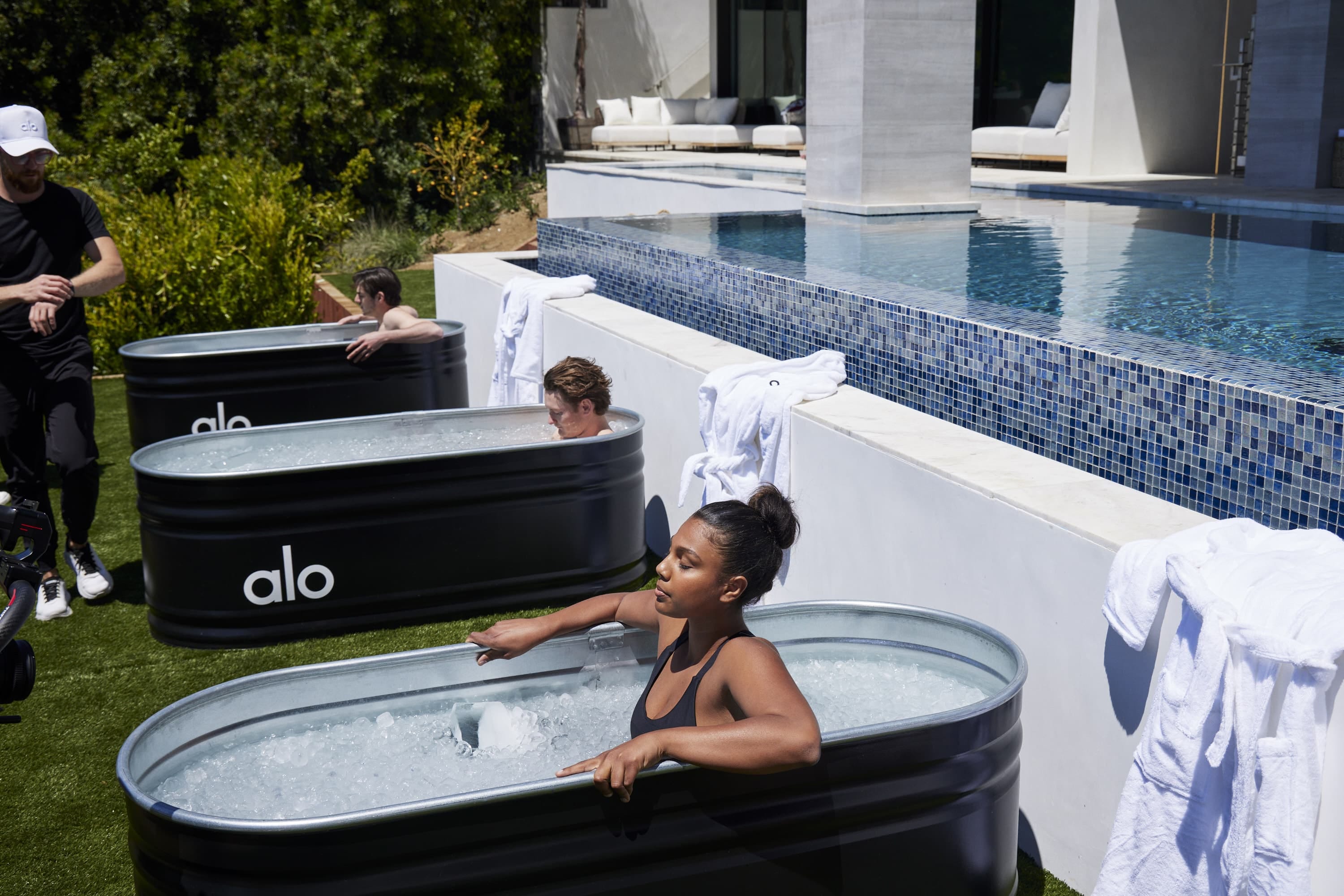
Last Summer, they also took over the Mandarin Oriental beach club in Bodrum, Turkey to combine, as they put it, “mindful movement with maximum relaxation.”
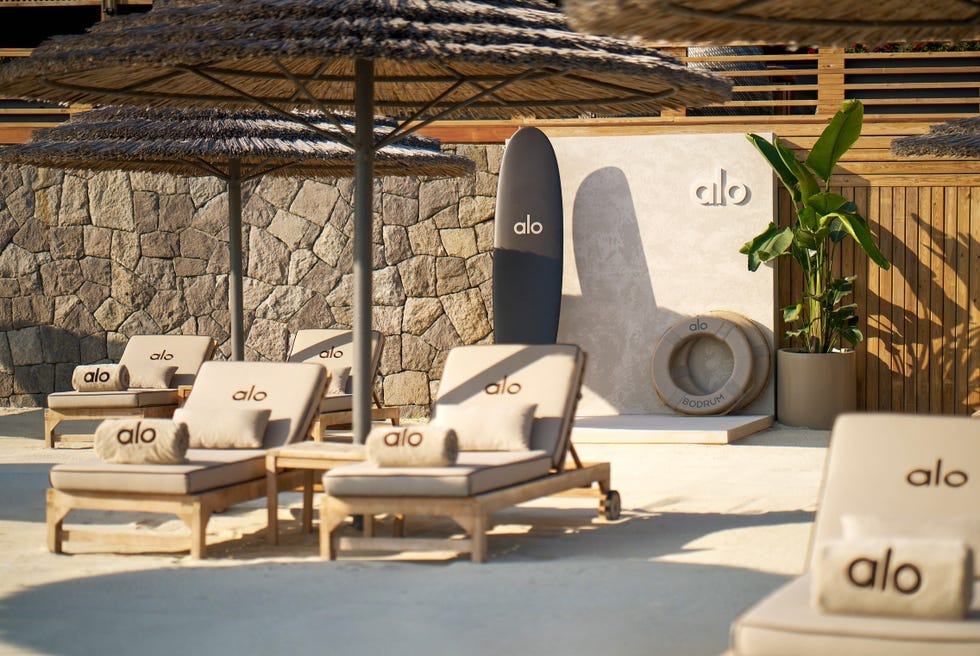
Co-founder Danny Harris has said that 90% of revenue is still digital but the physical spaces and experiences play a key role in building the emotional connection that drives that spend. The product isn’t the end point but the entry point into a world that the customer lives inside.
What makes Alo such an interesting case study isn't just the breadth of what they've built. It's that the wellness positioning is genuinely authentic to who they are. They didn't tag wellness onto an existing sportswear brand. The brand was born from it. Like I mentioned, their founders came to yoga through real, personal experience, and that origin story runs through everything they do.
That authenticity is what makes the whole ecosystem make sense. When Alo invites you to a retreat, it doesn’t feel like a sportswear brand trying to sell you a holiday. It feels like a wellness community extending an invitation. They are selling a world of wellness, it’s not forced like some brands, it’s just Alo being themselves.
3. The Longevity Consumer
A New Customer Who Trains Differently
Beyond the retail and events and activations, there’s a product dimension to this shift that I think is incredibly important.
The traditional sportswear consumer trained for two things
A specific goal like a marathon, a HYROX event time, or PR in a specific lift.
Aesthetics - whether that’s their own personal aesthetics, or looking good whilst training.
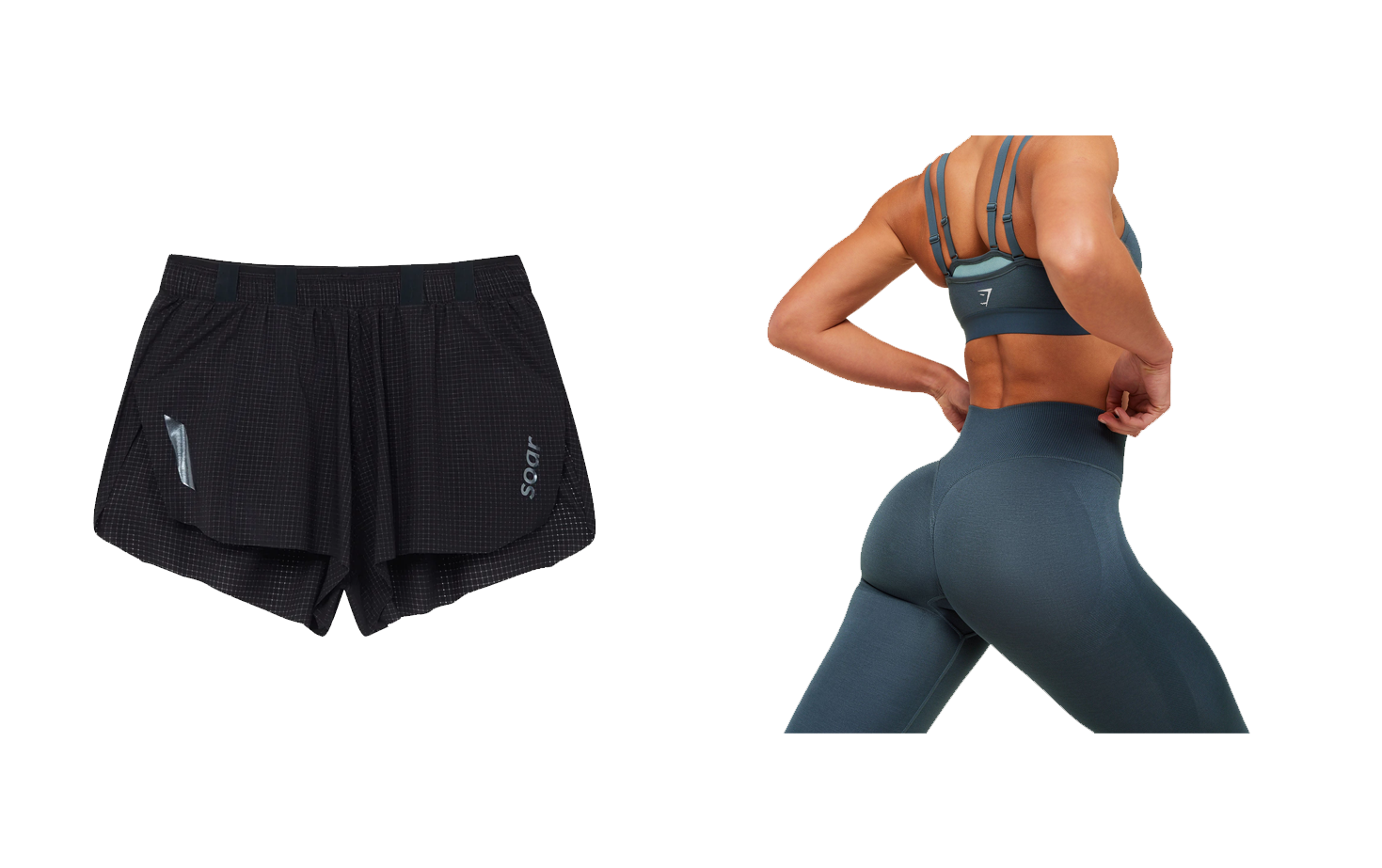
The product was designed to serve that goal. Think Soar Running’s incredible array of shorts designed for specific distances or goals. Then you think of Gymshark’s muscle tanks or seamless glute-enhancing leggings. There are two distinct reasons these products exist, to serve one of the two points mentioned above.
However, there is a new consumer that I am seeing, both in the market and in my own life, that trains differently. I have touched in this in section 1, but wanted to go deeper into that particular customer. Their week might include a strength session, a surf (in my case), a mobility class, and some Zone 2 run around town. They’re not competing, or looking to set a PR for anything specific. They’re investing in their health over the long term. Recovery, which I talk about later, also becomes part of their daily routine. They own a Theragun (or Normatecs, if they are lucky), they go for a weekly cold plunge and track their HRV through their Whoop.
This person is often affluent and discerning. They’ll pay £250 to £350 a month for a Third Space or Equinox membership without thinking twice about it, because it’s part of their wellness mindset. These consumers still care about how they look and what their clothing signals, but the product they need is different from what the traditional sportswear industry has been building for them.
They don’t need the most technical, race-specific product in every category. They need versatile pieces that work across multiple low-to-moderate intensity activities. They value comfort and how the fabric feels and they want pieces that transition from a morning training session to a coffee meeting to running around town. For them, training isn’t a separate activity. It’s part of how they live, and they want to wear clothing that reflects that.
This connects directly to what I explored in my polyester article. I wrote about how natural materials, Merino wool, cotton, are making their way back into sportswear because consumers are prioritising feel and comfort. The longevity consumer is exactly who those materials are designed for. They don’t need compression, four-way stretch and purely technical details. They want something that feels considered, that has a nice hand-feel, and that doesn’t look like sportswear when they walk into a cafe afterwards. I’ll touch on a brand that does this well later.
4. The Recovery Economy
How Luxury Gyms Turned Recovery Into a Category
For me, another clear sign of this wellness shift is what is happening inside gyms themselves.
Walk into any Third Space location in London right now and you’ll find something that simply wouldn’t have existed five years ago, a dedicated recovery zone. This is a purpose-built space with Normatec compression boots, Hyperice HYPERVOLT, vibrating foam rollers, and access to physiotherapy and sports massage.
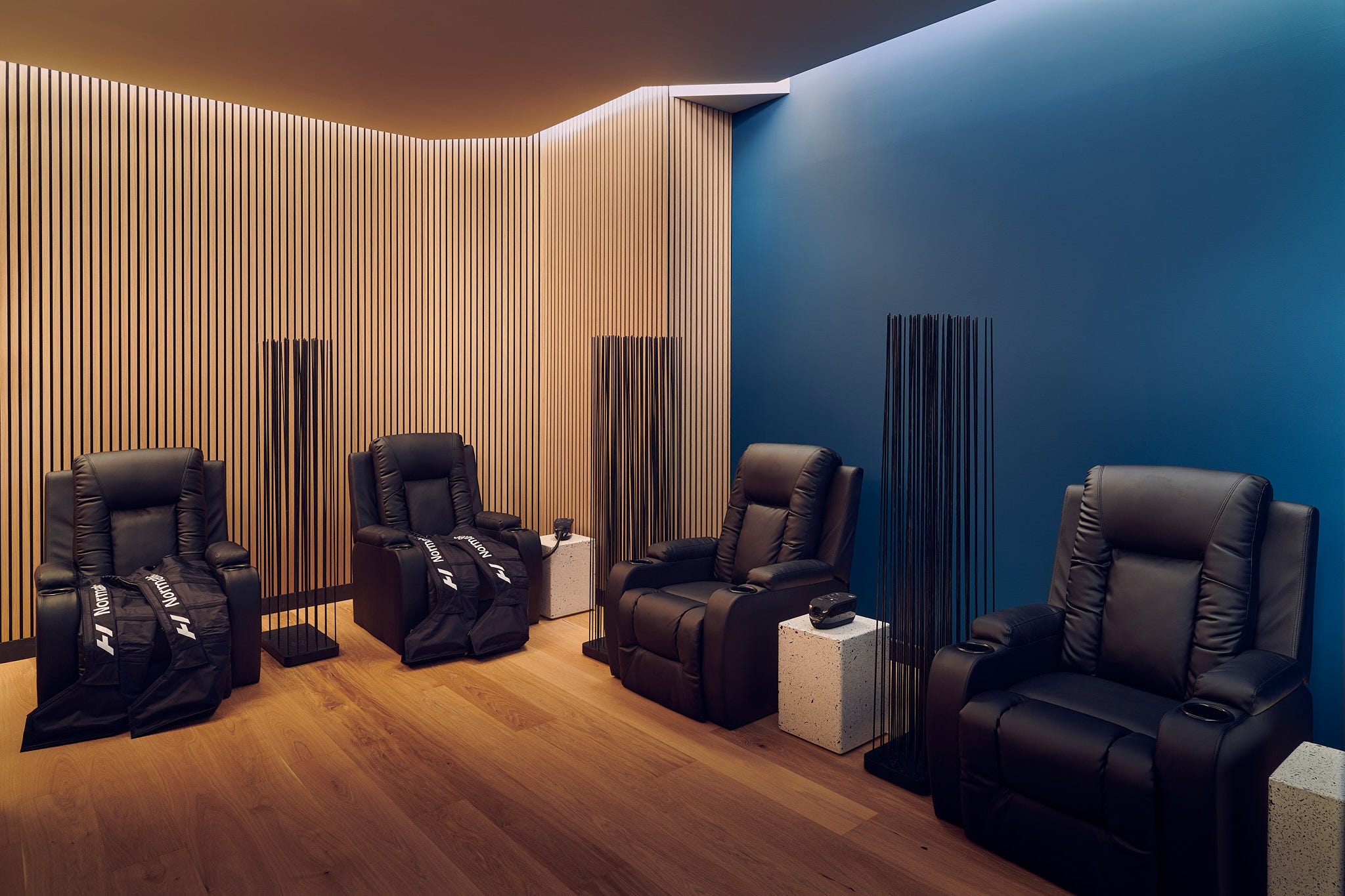
They’ve even launched a standalone Recovery Membership at £165 a month purely for access to these services. This includes access to dedicated recovery services including red light therapy, cryotherapy, infrared sauna and sound and vibration therapy.
Third Space CEO Colin Waggett has been pretty clear about the direction of fitness in general:
“Our goal is to go beyond physical fitness, providing services and facilities to support members across the full spectrum of health, from nutrition, to mindfulness, wellness and recovery.”
They’re rolling out contrast therapy and cold plunge facilities across their entire fleet of clubs, and planning to expand to 30 locations across London. This from a brand that started just as a gym.
What’s happening here is a direct consequence of the motivation shift I’ve been describing. When the consumer’s goal was performance, recovery was an afterthought. Something you did reluctantly, maybe a quick foam roll after a hard session if you could be bothered (often, I wasn’t). When that goal shifts to long-term health and wellbeing, recovery becomes central to the whole proposition. It’s not what you do after training. It’s part of why you train in the first place.
The person paying £300 a month for a Third Space recovery membership isn’t an elite athlete optimising for competition. They’re someone who sees recovery as an investment in how they feel and how they age.
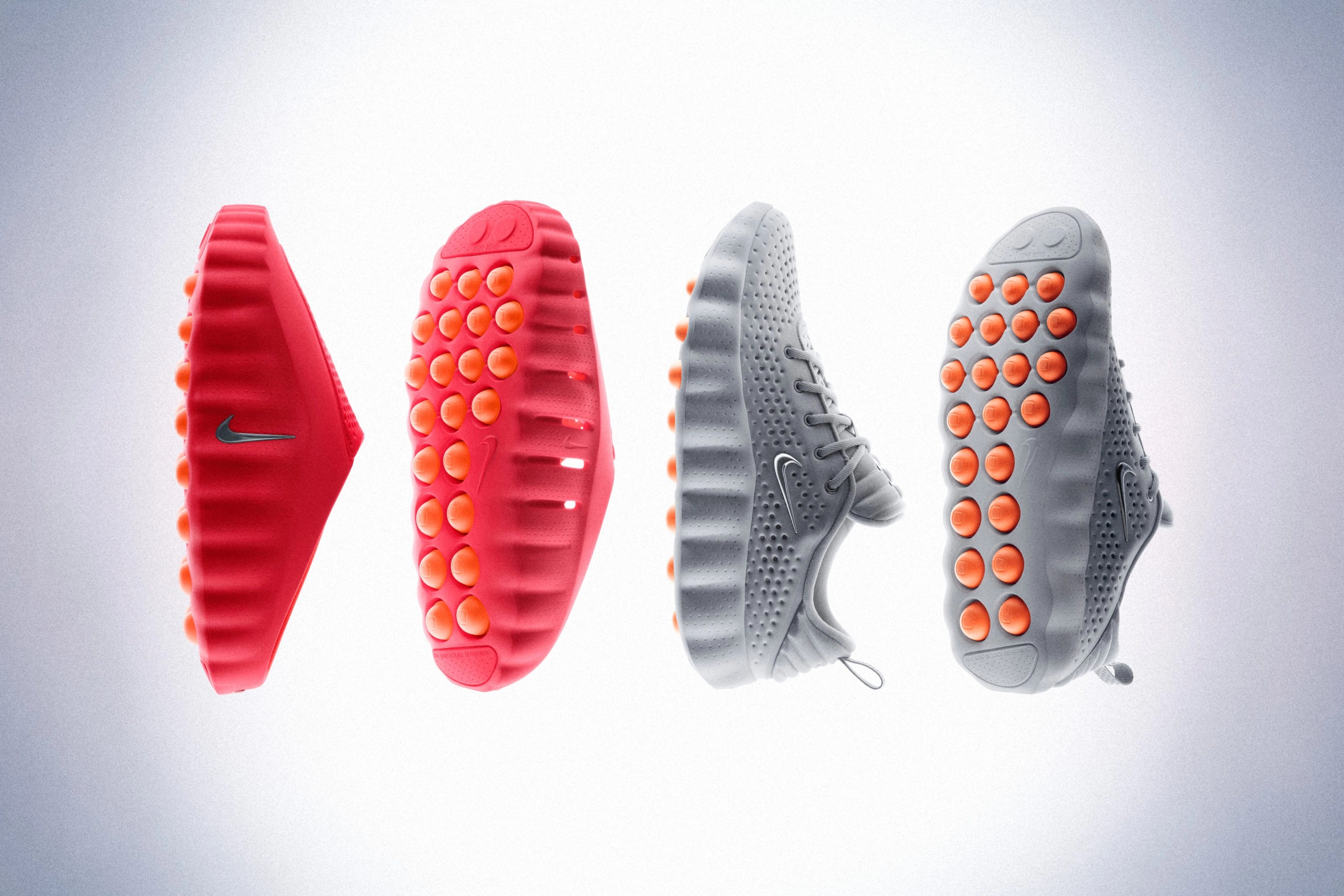
This has implications for sportswear that I think are largely unexplored. The gym industry has invested heavily in what happens after the workout. The apparel industry, for the most part, hasn’t. On has started to explore it with the Cloudtilt, which is positioned somewhat as a recovery shoe, but the clearest example that comes to mind connecting product with wellness is of course the recent launch of Nike Mind 001 and 002, which are marketed as the first neuroscience-based footwear from Nike that tap into the mind-body connection by activating sensory receptors in the feet.
But in apparel specifically, very few brands have built a dedicated recovery offering with the same level of design consideration they bring to performance product. Comfortable, considered, premium pieces that serve the post-training part of the day with real intentionality. The one brand that comes to mind, and subsequently one of of favourite brands, is Goldwin.
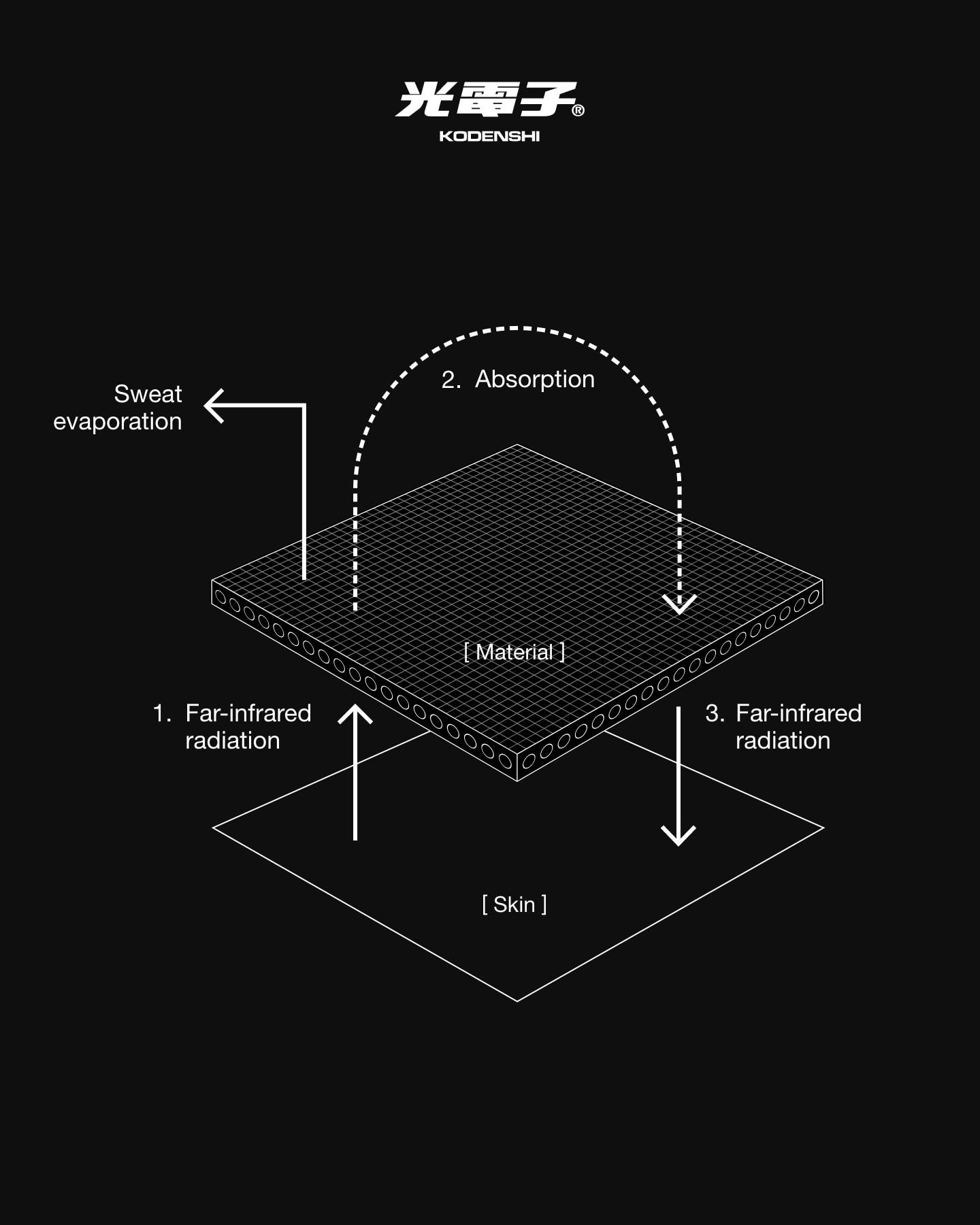
Their Re-Optimum collection is a range of conditioning wear built specifically around recovery. The range uses a material called KODENSHI, a ceramic-embedded fibre developed with Professor Shimizu Norinaga, who has spent over 30 years researching environmental adaptation and sleep. The technology works by absorbing and reflecting the far-infrared radiation that your body naturally emits, maintaining warmth close to body temperature without overheating. The science behind it is that even a one-degree drop in body temperature can reduce immune system effectiveness by 37%, so maintaining that natural warmth during rest is crucial for recovery.
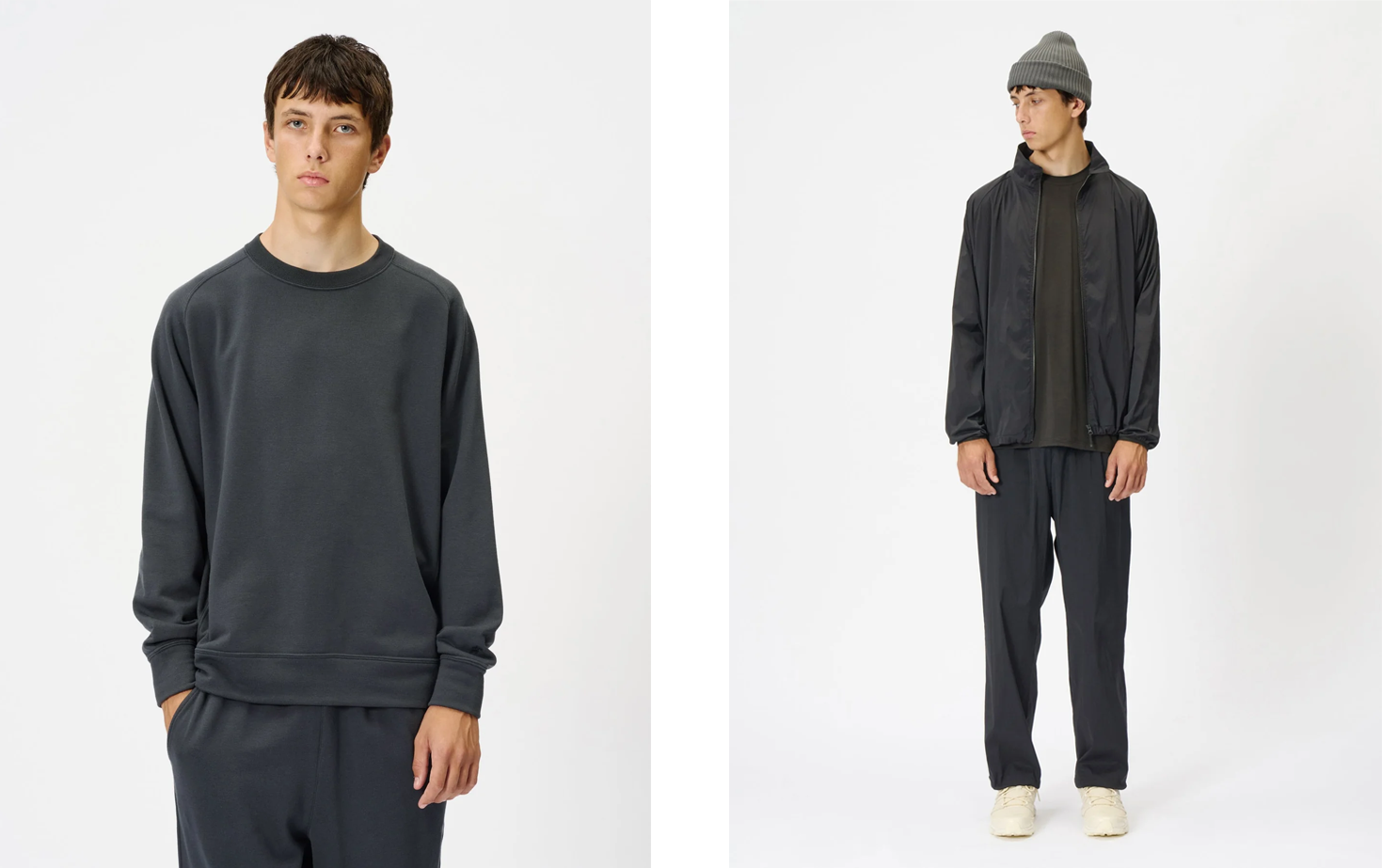
What I find most interesting about Re-Optimum is the design approach. These aren’t compression garments or anything that screams recovery tech. They’re organic cotton sweatshirts and sweatpants with relaxed silhouettes, designed for everyday life. You’d never know there was performance technology in there just by looking at it. It’s quietly complex, which is exactly what Goldwin does best.
For me, Re-Optimum is the best example I’ve seen of what recovery apparel could look like across the wider industry. It takes the science seriously, it applies genuine material innovation, but it wraps it in product that feels considered and lifestyle-appropriate rather than clinical. It’s recovery wear you’d actually want to live in, and that’s the point.
5. What This Means for Product
Designing Around Wellbeing
So, if the consumer is shifting from pure performance to holistic wellbeing, what does that actually change for the people building product?
The first implication is range architecture. The longevity consumer doesn’t organise their wardrobe by specific sport. They need product that works across their multi-activity week. This doesn’t mean you abandon sport-specific design but there’s a growing need for versatile, cross-functional pieces that serve the consumer who does a bit of everything without belonging to any single sport.
This is different to athleisure, by the way. Athleisure was about making sportswear acceptable for non-sport contexts. What I’m describing is product that is genuinely technical enough for training, but considered enough in its design, fabric, and silhouette to work as everyday clothing.
The second implication is fabric strategy. The longevity consumer is more receptive to natural materials and comfort-first constructions than the traditional performance consumer. Merino blends, technical cottons, comfort-weight jerseys. The brands I’ve written about recently, such as District Vision and H.O.R.S.E are good examples of this, offering a growing cotton and natural blend assortment. The wellness shift is going to broaden demand for this type of product well beyond training and running, and into the wider sportswear market.
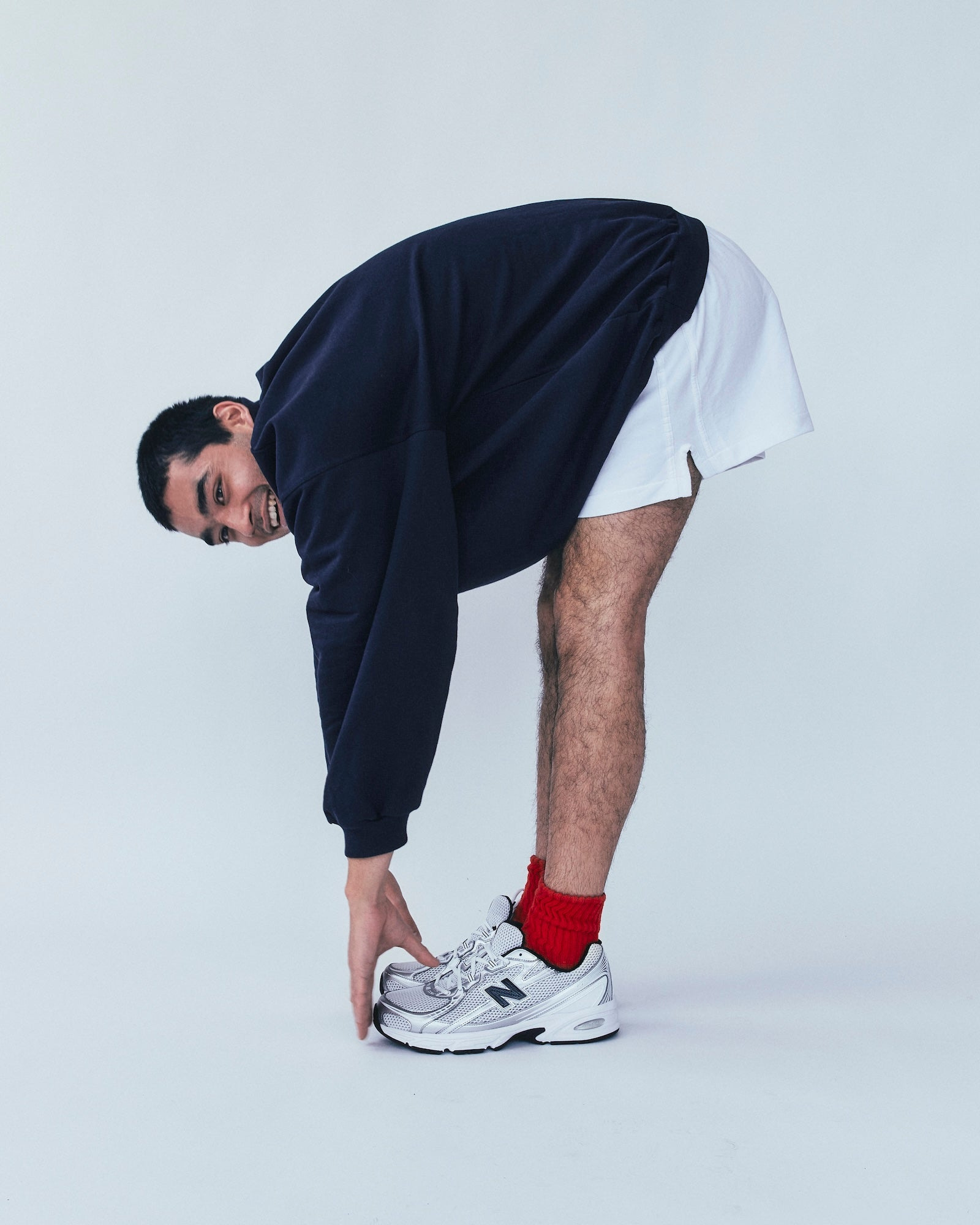
The third implication, and this is one I think is genuinely underexploited, is recovery as a product category. Third Space is rolling out recovery memberships, Whoop is raising half a billion dollars and Alo are hosting wellness specific clubs.
The consumer is clearly investing in recovery. But in apparel, very few brands have built a dedicated recovery offering with the same level of design consideration they apply to performance product. Beyond Goldwin, the examples in recovery apparel are surprisingly thin. Nike has a Recovery Collection, but it's mostly slides and sandals. Hoka offers recovery footwear as well, and On positions the Cloudtilt somewhat as a recovery shoe. In footwear, there's certainly a focus on the recovery movement, but in apparel, almost nobody is treating recovery as a genuine design brief.
The consumer is investing hundreds of pounds a month in how they recover, but the industry hasn’t reacted. It may be because brands don’t see it as a commercial win, or, they don’t believe there is the technology to support recovery within apparel. Of course, I come back to the example of Goldwin’s Re-Optimum, but this also shows true science based recovery products requires extensive expertise and resources. Below is a diagram outlining the tech behind their KODENSHI fabric, but if you want to read in more detail, you can do so here.
Final Thread
I don’t believe the wellness shift in sportswear is going to slow down. The science around longevity and long-term health is becoming more accessible and more mainstream every day. The premium gym market continues to expand, with Third Space investing heavily in recovery and wellness services across all clubs. Alo is opening wellness clubs in new cities almost at will and when a health wearable hits a $10bn valuation, you know it’s serious business. The consumer who trains for wellbeing rather than performance is growing, not shrinking.
There’s also a generational dimension here that deserves its own deep dive at some point. Gen Z’s relationship with fitness and identity is fundamentally different to previous generations. More than half consider fitness a core part of who they are. For them, the sportswear they wear isn’t just functional. It’s a signal of their values, their lifestyle, and their community. The brands that understand this identity-level connection will build much deeper relationships than those still selling purely on technical specs.
For anyone designing or developing sportswear, the market and consumer are telling you what they want. They’re still training, no doubt. They’re still buying sportswear. But increasingly, they’re doing it for reasons that have less to do with performance and more to do with how they want to live. The brands that respond to this thoughtfully, authentically, and with the same design rigour they bring to performance product, will be the ones that own the next chapter.
Thanks, as always, for reading Friday Thread. If you enjoyed this article, please share and subscribe, it really does make a huge difference.
I really enjoyed this piece.