

Sample, Iterate, Perfect: The Importance of Prototype Testing in Sportswear

When I first built the Torsa range, I was naive to the fact of just how difficult building product was. On the outside looking in, you wouldn’t expect a t-shirt could take well over a year to develop, but that’s the harsh reality when starting out. You don’t have the systems in place yet to have a streamlined and efficient process. I worked with some really experienced people within the industry, and yet still, the process was time-consuming and expensive.
As time intensive as it is, the sampling process is the most critical step in developing product. Sampling is the link between your concept and finished product, and it shouldn’t be rushed. If you end up rushing the sampling process, you’ll end up with a poor product. So, what steps should you follow to ensure a successful sampling process?
The manufacturer
First things first, finding a good manufacturer is the cornerstone to a good sampling process. Without a proficient manufacturer that specialises in the garments you’re looking to create, sampling is going to be very difficult. I wrote previously about finding a manufacturer for your start-up that I recommend reading for what to look out for when searching for your manufacturer;

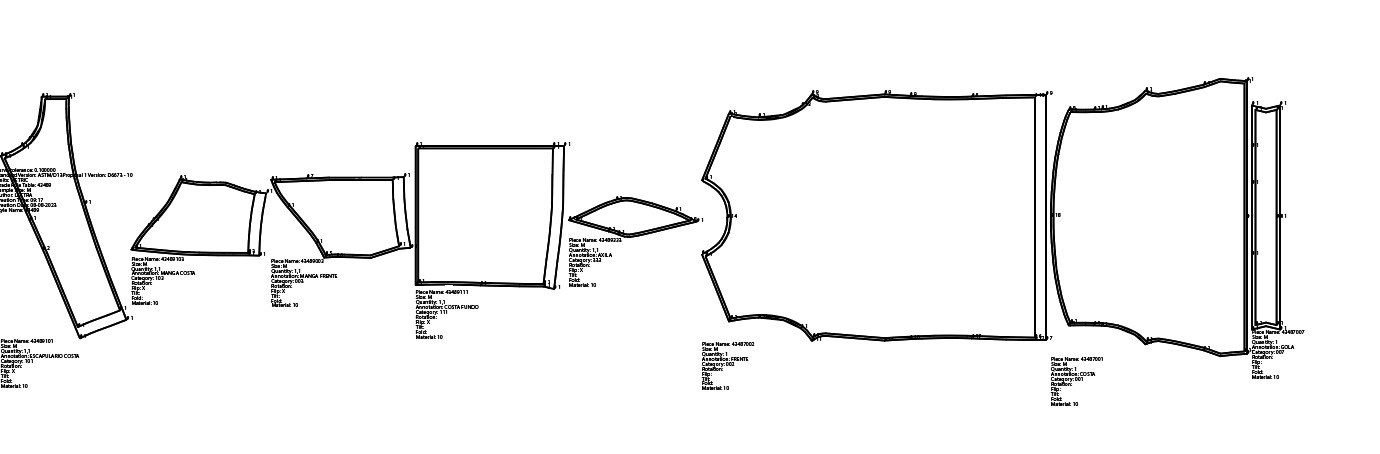
Of course, your manufacturer will be producing the sample for your design(s), but they will also have an in-house pattern maker that creates the block for your garment, which in essence, is crucial to how it will turn out. The block is built from your P.O.M (point of measure chart) and truly essential to your garment. Finding a good manufacturer is one thing, but finding a great pattern-maker is gold dust.
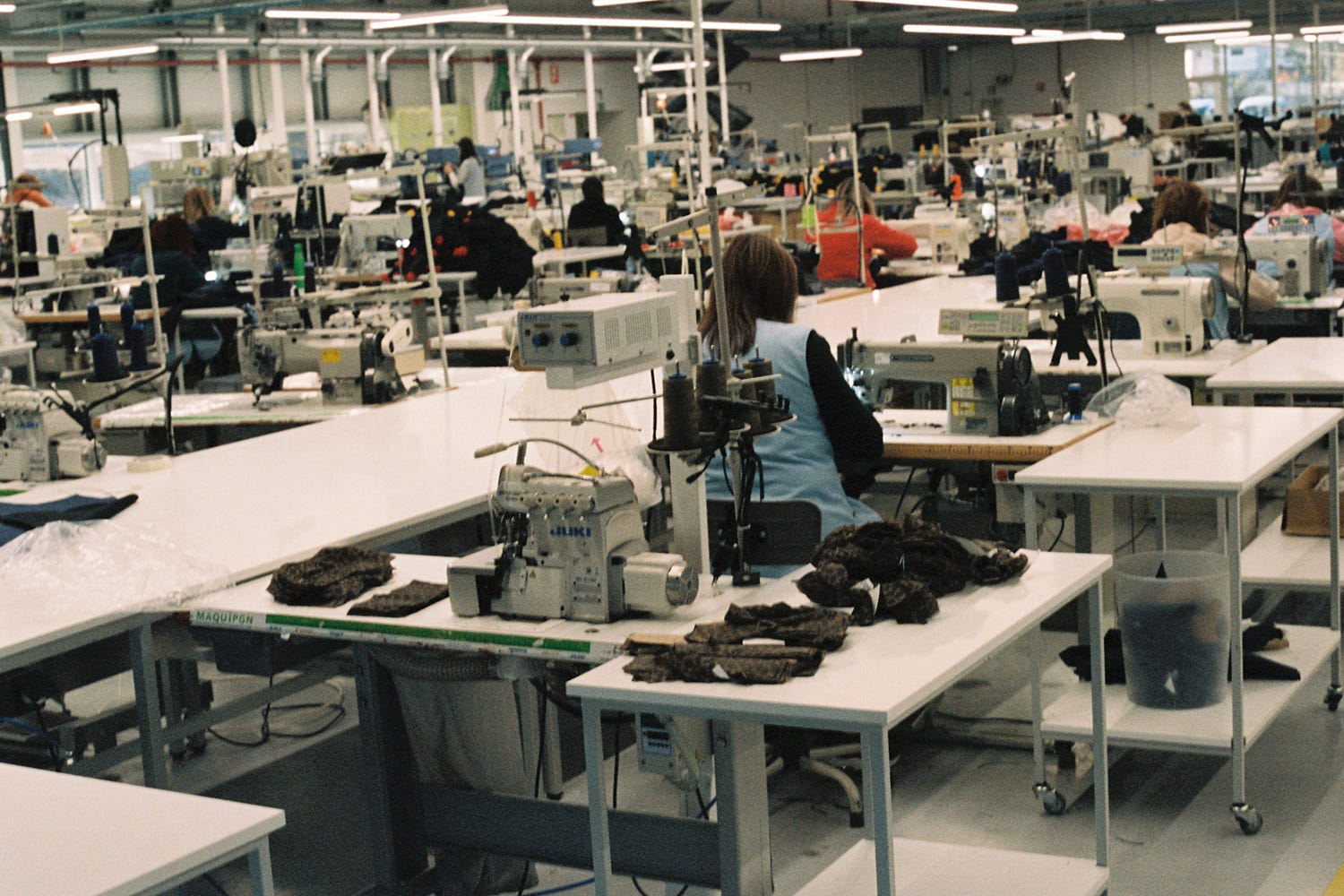
What’s important to consider when sampling is that it’s time consuming and expensive process for the factory. They, of course, don’t make money from sampling. They make their money when the style goes into bulk production.
The reason I mention this is that making the sampling process as simple and straightforward as possible for the factory not only makes their life a lot easier, but it also ensures you don’t have do multiple rounds of sampling - the more samples and changes you make puts a strain on client-factory relationship.
Points to ensure the sampling process is easy for the factory;
Settle on a fabric and don’t change it. Changing the fabric will alter fit, meaning amendments to the patterns and so on.
Before you sample, make sure you’re happy with the design. Of course, changes will be made during the sampling process, but you want to avoid making major alterations or big construction changes.
Have a pass-off call with the factory. Ideally in person, but if not, arrange a call with your designer and developer to hand off to the factory to make sure they are clear on every element of the design, construction and detail.
Have clear, concise tech packs. Use reference images, clear CADs and measurement specs to ensure it’s simple for the factory to understand. You can read more about tech packs below;
What is a tech pack? (with examples)
·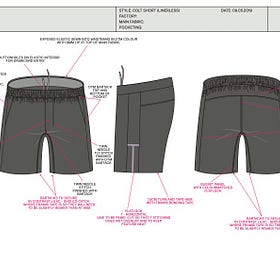
What is a tech pack? There are certain things you need when you’re building an apparel brand from scratch, and of those things is a tech pack. This is essentially all the specifics the factory needs to go ahead and produce your garment. It’s the blueprint for the product, and includes a series of elements and information required to create a garment.

Testing
Once you have your first round of samples, it’s critical to test them to make sure they perform how you expect them to. We touched on test reports in our Sourcing Materials article which you can read below;

Test reports are the fabric’s in-house testing protocols which are a useful guide to determining the the fabrics technical properties, durability to certain stimuli and colour fastness to washing. It’s important to note, these are performed under controlled conditions, and although they are useful, you’ll want to undergo you’re own testing where possible - with wear testing being the foundation.
Wear testing
Testing your product in the field is the best way to really determine its functionality and durability. Real world conditions are going to tell you a lot more about your product than controlled testing in-house.
As a small brand, you’re likely limited by resources and therefore you have to be considered with your wear testing programme. Let’s say you want to test a pair of running shorts. Find two or three people who you believe are your target market, and who will give worthwhile and in-depth feedback and let them test it for a couple of weeks. Get them to trial the product as they would normally a pair of running shorts - each person is going to be different in how they use the product, and it’s important to get balanced feedback.
Your role as a brand here isn’t to ask too many leading questions or yes and no questions, it’s to ask open ended questions that you’ll gain really value from. A few open ended questions during the wear testing stage that we like are as follows;
Functionality and Performance
How did the shorts perform during activities of high intensity or long duration? Did anything support or hinder your run?
Were there any features of the shorts that stood out to you during your run?
How did the material feel against your skin?
Design and Aesthetics
What are your thoughts on the design and overall appearance of the shorts?
Were there any aspects of the design that you felt improved or hindered your run?
How do you feel about the length and cut of the shorts?
Storage and Features
Were the pockets (if any) useful and functional for your needs?
Did you find the storage options adequate for carrying essentials like keys, phone, or energy gels?
Are there any additional features you wish the shorts had?
Durability and Quality
After multiple wears and washes, how do the shorts hold up in terms of quality and appearance?
Did you notice any issues with stitching, fabric wear, or any other potential durability concerns?
Overall Experience
Can you describe any specific instances or experiences during your run that were directly related to the shorts?
How would these shorts compare to other running shorts you've worn in the past?
Would you recommend these shorts to a friend or fellow runner? Why or why not?
Improvements and Suggestions
If you could change one thing about the shorts, what would it be?
Are there any specific features or design elements you believe should be added or removed for a better experience?
What suggestions do you have for improving the overall wear and functionality of the shorts?
Bear in mind, this is an extensive list of questions. I don’t expect you to use all of them, but pick some which you believe would be most useful related to your product and customer, and go from there.
The goal of this stage is to gain feedback on whether you need to iterate your product for your next prototype. It’s also important to note, although this feedback might be valuable, it’s ultimately your decision on the changes you make.
Iteration
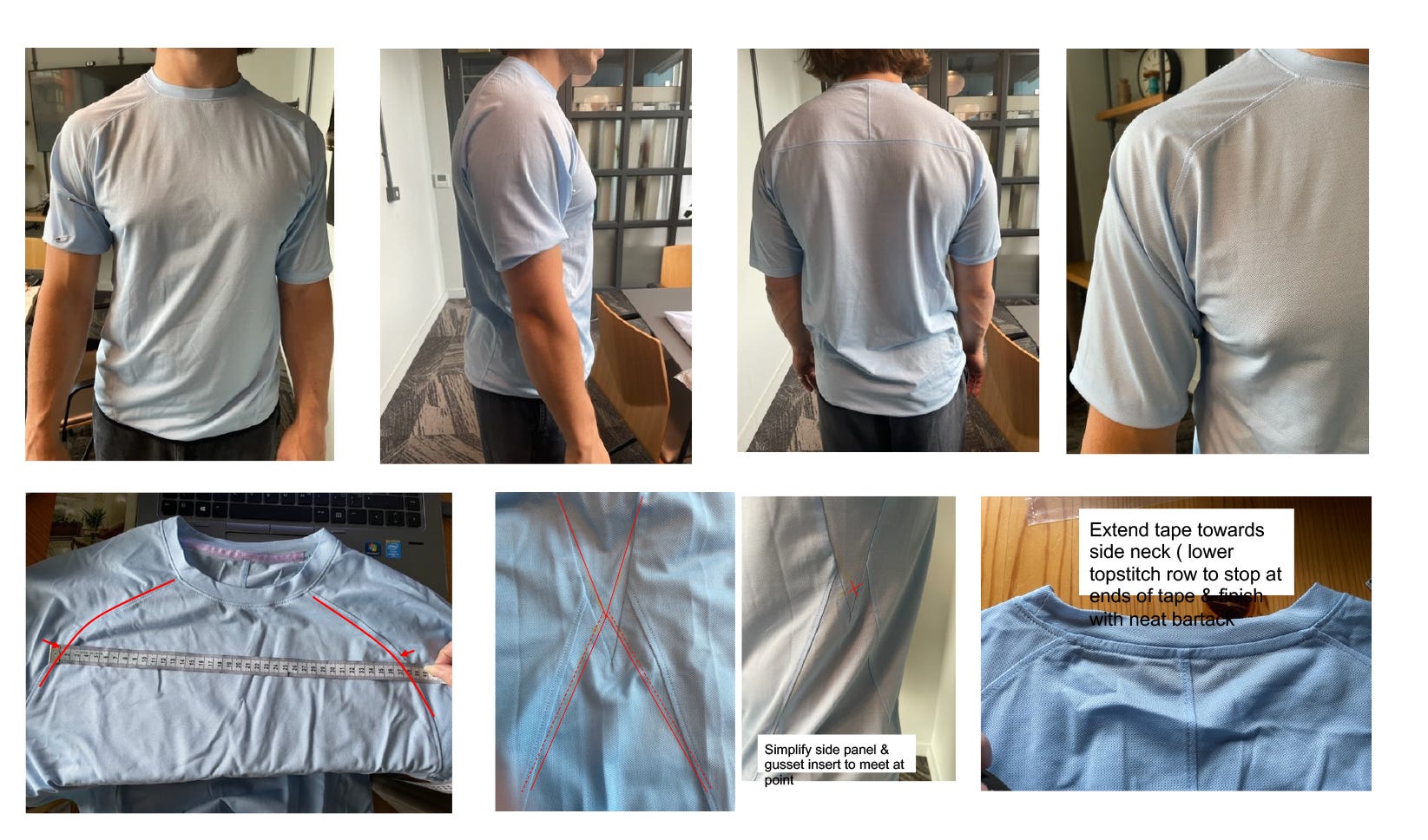
Once you have sampled your product and its undergone a thorough wear testing programme, it’s time to iterate. The iteration stage usually involves first working collaboratively with your designer to make any amendments to design.
Design changes can be a variety of things, from changing the pocketing and waistband construction to amending seam placement and style lines. Remember, as a small brand, factories aren’t usually as receptive to huge design changes at this stage. If you’re more established and already placed bulk production orders with them in the past, then they will likely be happier to make these design changes, as you have already built up credibility with them.
This is why it’s important to work with a really great designer and developer and maximising the chance that your first prototype is close to what you’ll be producing for production. Of course, changes based on the first prototype will be inevitable, but limiting these will not only result in a better working relationship with the factory, but also a less time-consuming and costly process for you as a business.
Mock ups
Mock ups are a great way to iterate your product without having to produce a full sample. The concept of a mock up is taking a sub section of the garment that you want to change and ‘mocking up’ that section.
A garment is made up of multiple pieces usually sewn together, but let’s say you just want to explore an alternative waistband construction, the easiest way to do this is by getting the factory to sample the new waistband construction as a separate piece. Once you have that mock-up, you can then approve that waistband construction for the next sample, knowing it’ll be the correct waistband.
Mock ups are a far quicker and efficient way to ensuring you have the right construction for your next sample. There are so many elements that go into producing a garment that breaking it down into pieces can actually alleviate a lot of the mistakes that happen during sampling. Through my experience, even with clear and concise tech packs and CAD drawings, factories can still misinterpret or get things wrong.
Seeking perfection
I told this anecdote in a previous article when I was working in retail, discussing with a customer about building Torsa. I shared with him the issues I faced about the product not being perfect and how I kept making changes. Simply, his advice was;
“just launch the brand, otherwise you’ll constantly find something you want to improve.”
This advice, as simple as it was, ended up being some of the best advice given to me. When building the product, I was constantly making changes to samples over and over. I thought the stitching could have had different dimensions, the pocketing needed another interfacing, the drawcords needed to be a different style, and so on.
There comes a point where you have to say to yourself, “launch the product.” These small changes, as significant as they may have been to me, weren’t to the customer, and you can only evaluate that once the customer has it in their hands. The dimensions of the stitching, unsurprisingly, has never been mentioned by a single customer.
Perfection isn’t achievable, don’t seek it. My advice would be to get the product to a point where you are proud of it. This is also why wear testing feedback is so important in sampling. Before you commit to production, wear testing gives you real world feedback from potential customers - although your intuition is important, and ultimately the final decision lies with you, wear-test/customer feedback is critical to understanding the value of your product.
Very insightful, thanks for sharing