

Why Running Brands Now Live in the Fashion Ecosystem, and Training Brands Don't
The fabric choices, cultural positioning, and design philosophy that separates running from gym wear in the fashion ecosystem

Good morning everyone! Many new subscribers on the newsletter this month so a big thank you to my new, and of course, existing subscribers. January was an incredibly busy month with trips to Paris, London, Bologna and home to Portugal (where it seemingly hasn’t stopped raining for 3 months straight). The benefit of many hours of flight time is that it has afforded me the ability to get my head down and write. This week I am exploring the great divide between why and how running brands are now firmly in the fashion ecosystem, where training brands are not. Let’s dive in.
If you observe the streets and running routes of London, New York, Paris, Berlin, and other major cities, it’s very likely you’ll see a distinctive looking runner. This person will be wearing a technical t-shirt, vest or windbreaker and shorts from a brand like Satisfy, District Vision or Tracksmith (or other “indie” running brands) - possibly Bandit in the US, or Optimistic Runners in Berlin.
Running apparel has somehow achieved what seemed impossible a decade ago, it’s become genuinely fashionable. Not athleisure-fashionable, where Lululemon and now Alo Yoga has blurred the lines between workout and lifestyle. I mean it’s become properly fashionable in which people recognise the subtle branding (Satisfy’s tearaway care label), where certain pieces sell out in minutes, and wearing the right product signals something in a knowing community.
Paris (runners) Fashion Week 2026
Last month in Paris, while the fashion world descended on the city for Men’s Fashion Week, the usual runway shows, after-parties, and industry networking were in full flow. The parallel story though were in the showrooms dotted across the famous Parisian districts.
Showrooms of running brands were lining the streets of Paris. Satisfy Running (Parisian, of course) showed their FW26 collection at their HQ. District Vision occupied a studio on Rue de Sévigné. Norda, the Canadian trail running brand, came together with technical brand gnuhr to unveil a 10-piece apparel and footwear collection. Ciele, Soar Running, and several other emerging technical running brands had secured showroom spaces throughout the week.
This wasn’t ISPO Munich, or Performance Days. Nor was it any other trade show which you may associate these brands with. This was Paris Fashion Week, where running brands were presenting their collections next door to Lemaire, Dries Van Noten, and Our Legacy. There was buyers from Dover Street Market and SSENSE scheduling appointments between visits to established fashion houses.
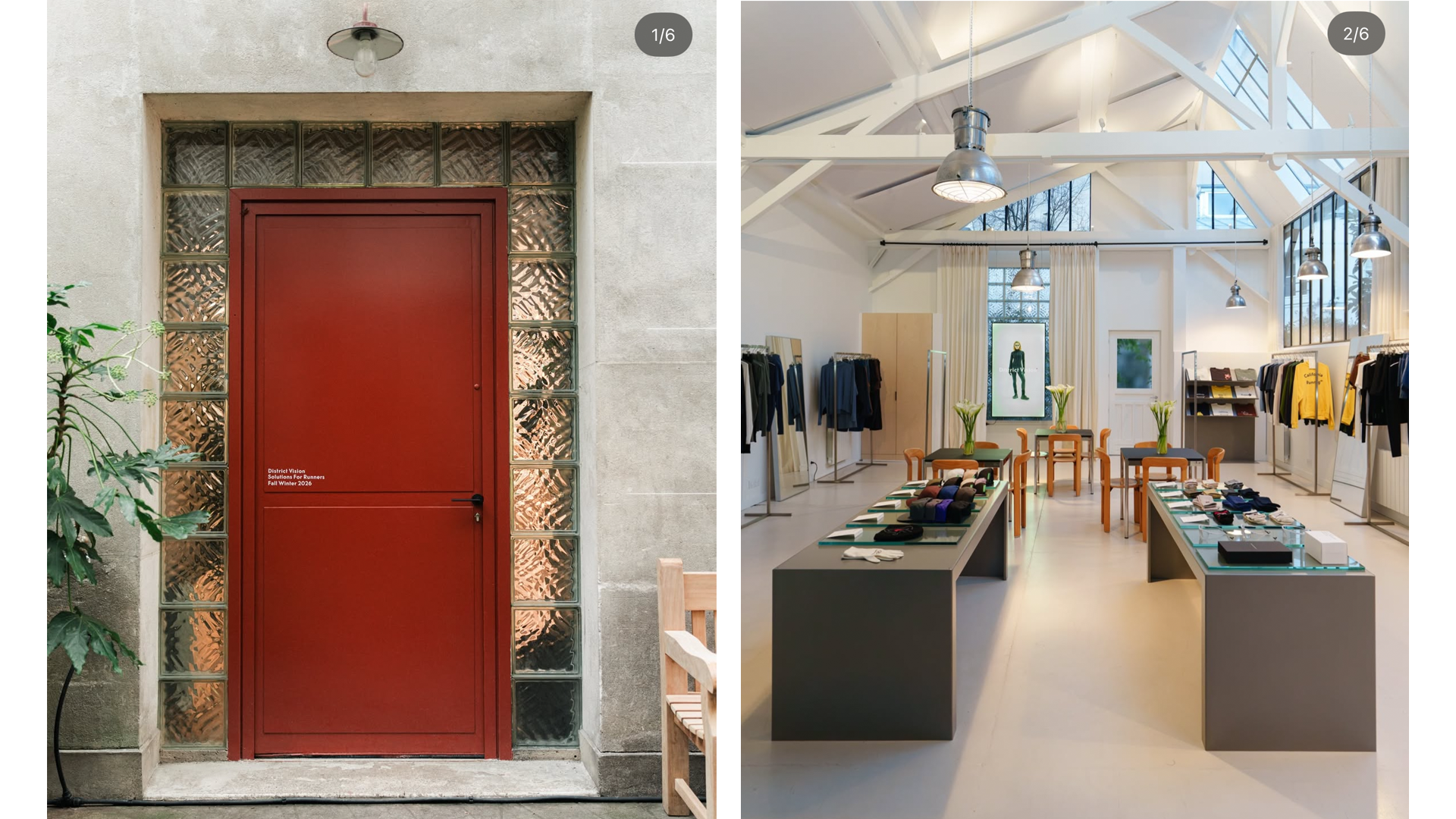
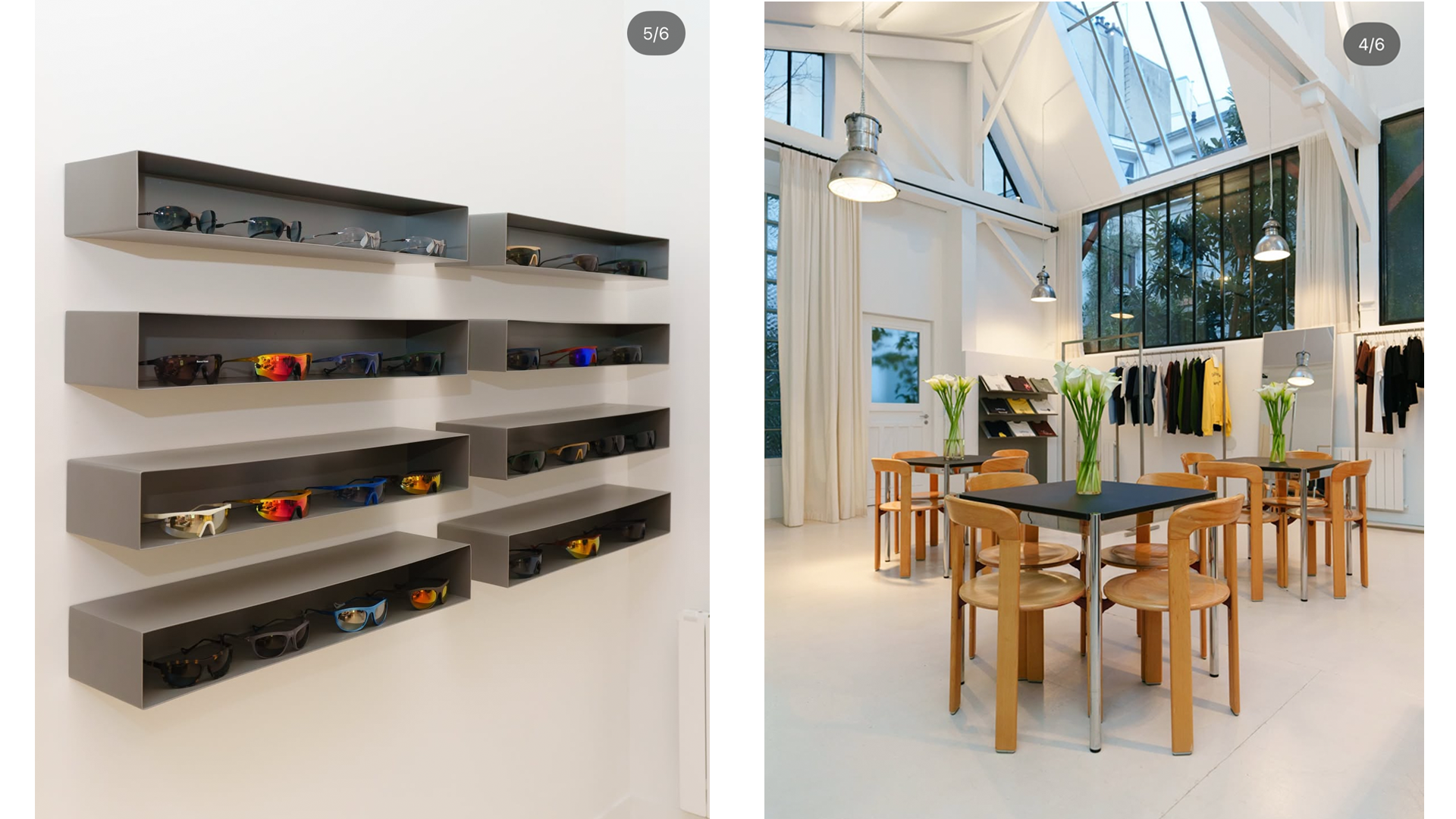
So, how is it that running has become so fashionable, but of equal importance, why has gym wear not followed the same path?
Gym wear, for all its technical innovation and market size, remains stuck. It struggles to move away from its utilitarian origins. Whilst runners are happy to shell out €230 for a Satisfy merino t-shirt, the seemingly more affluent gym-goer is left wearing the same moisture wicking t-shirt from one of the ‘Big Four.’
By the way, if you want a great review of running brands at Paris Fashion Week, head over to Grace Cook’s wonderful newsletter, Salty.

Today, my focus is going to be how running apparel has infiltrated into the fashion ecosystem, and why gym wear, in my opinion, has struggled to follow suit.
Why Running Belongs at Fashion Week
When Satisfy Running and District Vision hosts a showroom during Paris Fashion Week, they’re not there to sell to runners. They’re positioning running gear within the fashion system. They are there to be seen, considered, and ultimately stocked alongside brands that have nothing to do with sport.
If you look at some of the stockists of Satisfy in the UK, they have very little to do with running. The Hip Store, Outsiders, Peggs & Sons, Goodhood, and even super high fashion concept store LN-CC.
Showing at PFW is deliberate cultural strategy. Fashion Week attendance isn’t about reaching consumers directly. It’s about reaching the buyers, stylists, editors, and tastemakers who shape what becomes culturally relevant. It’s about establishing that your product belongs in the same conversation as other high fashion brands, that it deserves the same consideration.
Running brands have come to understand something crucial. To transcend sport, you need to be legitimised by fashion’s gatekeepers. You need to be in the showrooms, in the magazines, on the stylists’ racks. You need Monocle to feature your gear, not just Runner’s World. You need fashion buyers at the likes of Dover Street Market to stock you, not just specialty running shops.
This is “technical luxury” positioning. The idea that performance and design work with one another, not against each other. It’s a positioning within the fashion ecosystem that believes the same customer who buys a Lemaire coat might also want a Satisfy t-shirt.
Gym wear brands don’t operate in this space. They are usually at fitness trade shows, sports exhibitions, industry events that exist entirely outside the fashion system. When they do attempt fashion credibility, it’s usually through athlete sponsorships or influencer partnerships, which has been the playbook for the ‘Big Four’ for many years.
There’s also a difference in how these brands present themselves visually. Satisfy and Tracksmith’s campaigns look like fashion editorials; more emphasis on telling stories and conveying a feeling and emotion. The campaigns and videos that come from these brands aren’t showing you how to run faster, they’re selling you a lifestyle and an aesthetic.
Compare this to gym wear campaigns, which typically focus on the body, the workout, the transformation. The imagery is aspirational, but in very literal ways. It’s effective for selling within fitness culture, but it doesn’t translate to fashion relevance.
Running brands are now regularly featured in GQ’s high-fashion features, and the buying guides of Mr Porter and Monocle magazine. They exist in the fashion ecosystem, not just the sports ecosystem.
The Footwear Gateway. Did this Give Apparel Brands the Entry?
For me, one of the most successful bridges between sport and fashion over the past five years has been running and hiking footwear. The Salomon XT-6 became a fashion icon, spotted on runways and the front row of fashion shows, and filtering down into mainstream culture. This also happened with silhouettes from New Balance, Hoka, ASCIS and so on. This was known as “Sportstyle” and I have touched on this in depth as one of the “2026 Defining Sportswear Trends” which you can read below.

Nike Metcons, Reebok Nanos, and other gym-specific training shoes remained exactly where they started; in the gym, (unsurprisingly)
In my opinion, this footwear movement has been crucial for running’s fashion ascendancy. The “Gorpcore” movement which embraces the utilitarian outdoor aesthetics in fashion created perfect conditions for technical running and hiking shoes to become style objects.
Running shoes have what gym shoes fundamentally lack, versatility. A Salomon XT-6 looks technical to signal performance credibility, but the silhouette works with wide leg trousers, raw denim, and even slightly more formal contexts.
Gym-specific footwear can’t achieve this. Weightlifting shoes with their elevated heels and rigid soles are immediately, obviously specialised. You can’t wear them anywhere but the gym without looking ridiculous. Even general flat training shoes such as Metcons, Nanos, R.A.D One would be a crazy choice outside of the specific gym environment.
This matters because footwear is often the entry point to a brand. Someone buys Salomon XT-6s because they work with their wardrobe and they’ve seen them styled well on Instagram or social media. They discover Salomon makes apparel. They follow the brand, see the trail running content, the mountain imagery, the aesthetic world being built. The shoes create curiosity about the broader lifestyle.
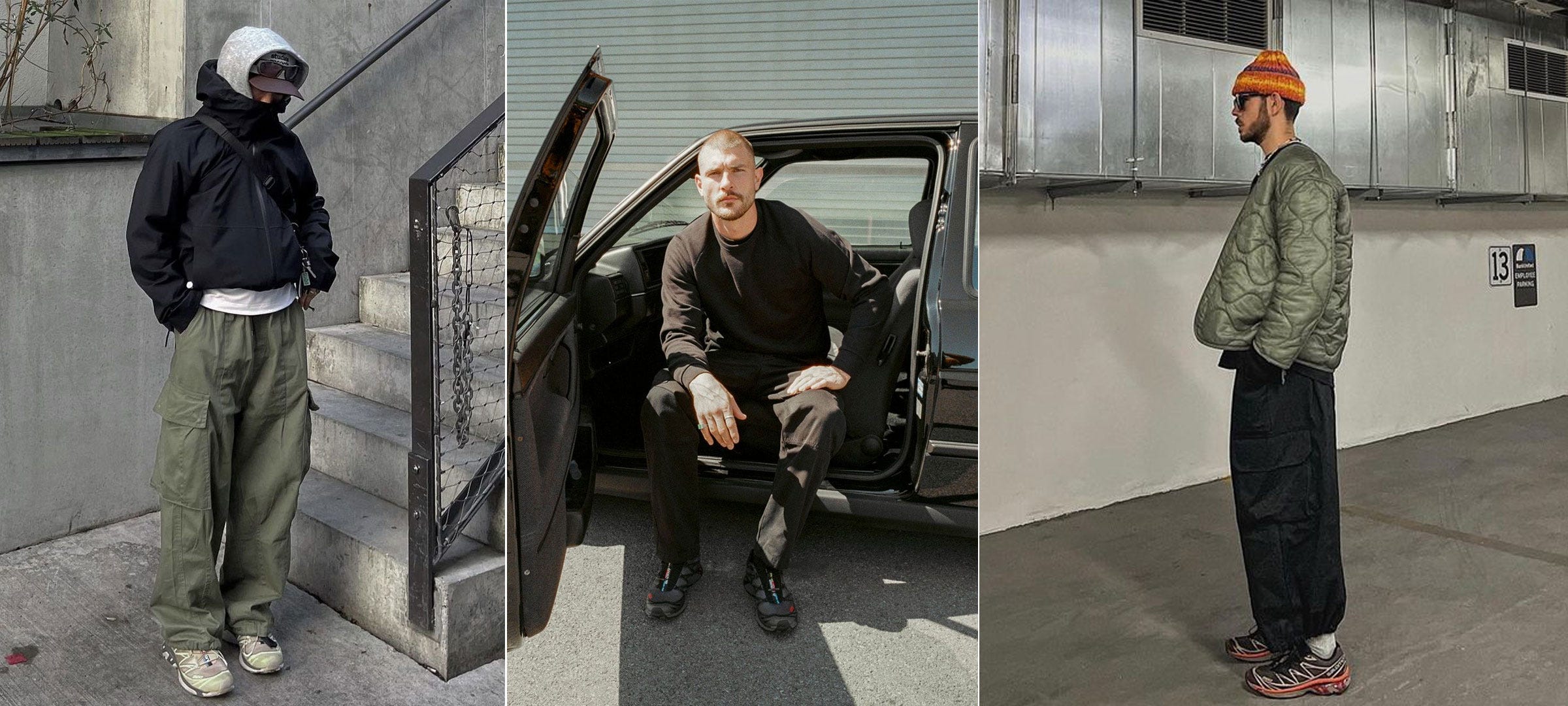
The Gorpcore movement also validated a specific aesthetic; technical, utilitarian, performance-oriented, but styled for everyday life. This framework perfectly accommodates running gear which uses technical fabrics, considered construction, and outdoor influences. It doesn’t accommodate traditional gym apparels smooth, high stretch look and feel.
I’ve touched on this in other articles, but the numbers reflect this. Salomon’s growth over the past five years has been driven largely by lifestyle consumers, not performance athletes. The same is true for Hoka and On Running. People buying these shoes aren’t necessarily running in them, they’re wearing them to coffee shops, shopping, and to the office.
The footwear drives brand awareness among non-athletes. The increased visibility and cultural credibility make the apparel more appealing. The apparel starts to become adopted amongst an everyday wardrobe. The brand then elevates further, with more relevance and resources tailored to different segments of the market. Gymwear brands, without this footwear gateway, struggle to initiate the cycle.
The Fabric Divide. Why Materials in Running Matter
What can’t be overlooked when comparing the divide between gym wear and running apparel, and it’s association and relevance in fashion culture, is materials.
Running gear is built for the elements; wind, rain, changing temperatures and so on. This requires a diverse range of fabrics with varied weights, textures, and finishes. This means that the garments can be styled far easier with your everyday wardrobe than what gym wear usually offers. Gym wear is built for inside environment and tailored towards activities in the gym; stretching, sweating, weight-training, showing off muscles etc. This demands a basic uniform, typically made up of a stretch t-shirt and shorts.
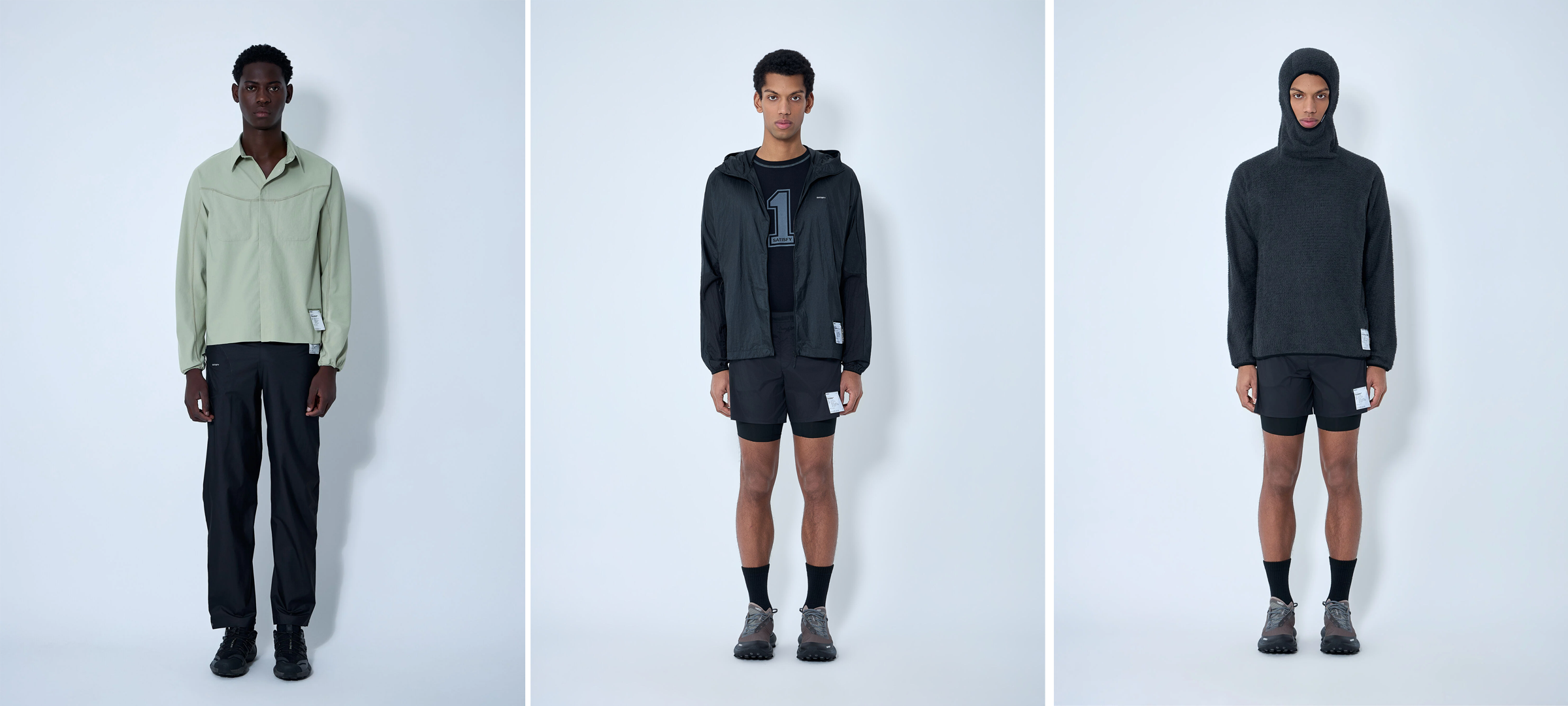
You can see in the image below, which references a Satisfy ‘running look’ next to a lululemon ‘gym look’ and how one can transcend into the fashion ecosystem, and why one can’t.
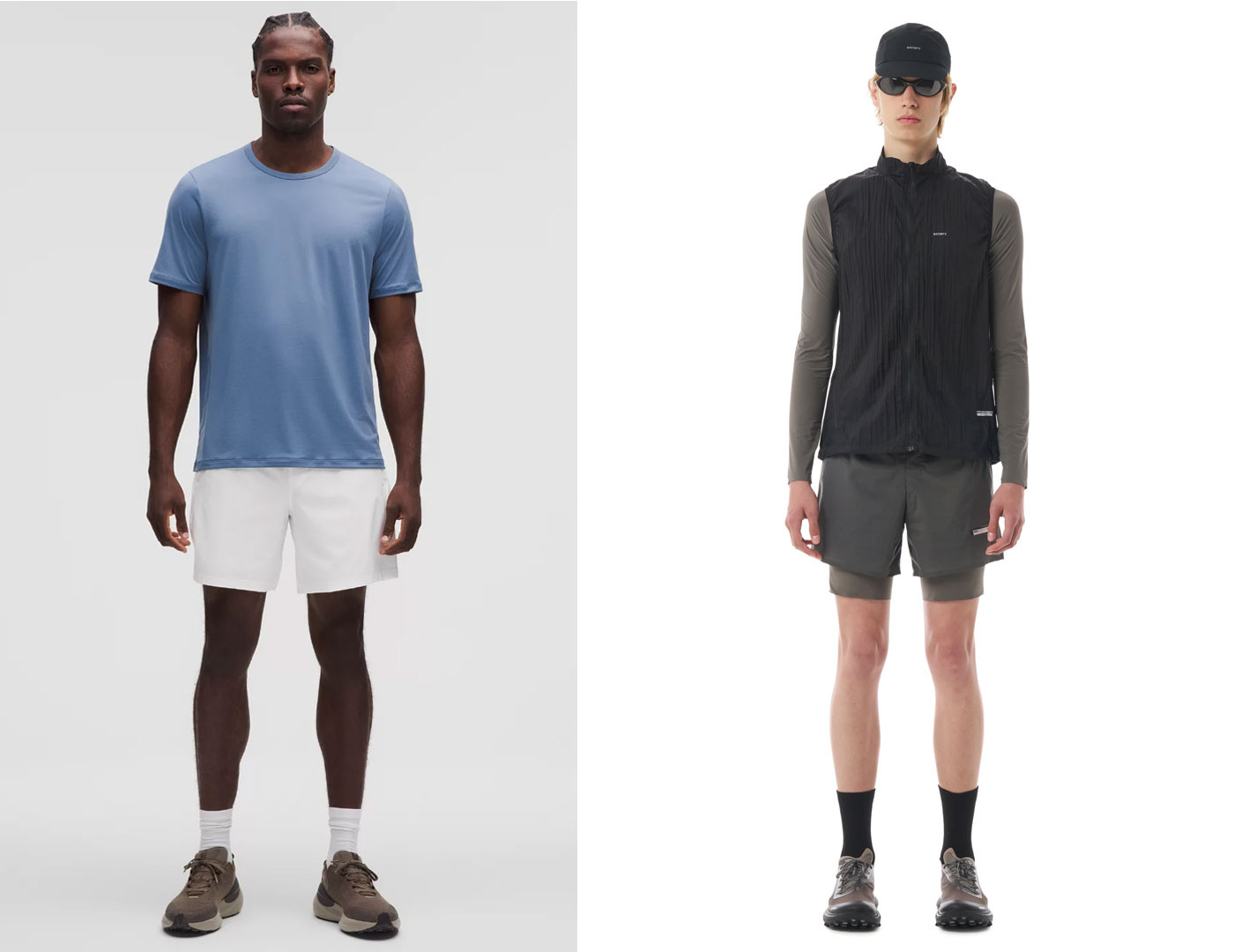
This material distinction creates a fundamental aesthetic divide.
Walk through the running brand showrooms at Paris Fashion Week and you’ll come across Merino wool, Pertex nylon, mini-ripstop, technical cottons with culturally relevant graphics. These are materials that the fashion space understands.
A buyer can go into a showroom, pick up a Satisfy Pertex jacket and imagine their customer pairing it with a pair of Japanese denim, or technical trousers from Nanamica, for example.
That’s the advantage of fabrics in the running space. They have versatility. Natural fibres like Merino wool have drape that synthetics can’t replicate. Unlike synthetics, Merino falls away from the body rather than clinging to it, creating a relaxed, sophisticated silhouette that can easily work in a lifestyle setting.
Gymwear can’t achieve this. The category relies almost exclusively on synthetic blends, polyester, nylon, and crucially, elastane. While these materials are excellent for their purpose; stretch for movement, compression for support, durability for repeated washing; in fashion contexts, they are cheap.
Over the past seasons, several running brands showcased pieces using Pertex Quantum and mini-ripstops. These materials are chosen for their performance properties (wind resistance, minimal weight) but also happen to have aesthetic qualities fashion appreciates. The subtle grid pattern of ripstop for example gives a visual distinction, and even the rustle when the fabric moves. These are the foundations of technical luxury and Gorpcore, and why materials matter so much in the backdrop of the fashion ecosystem.
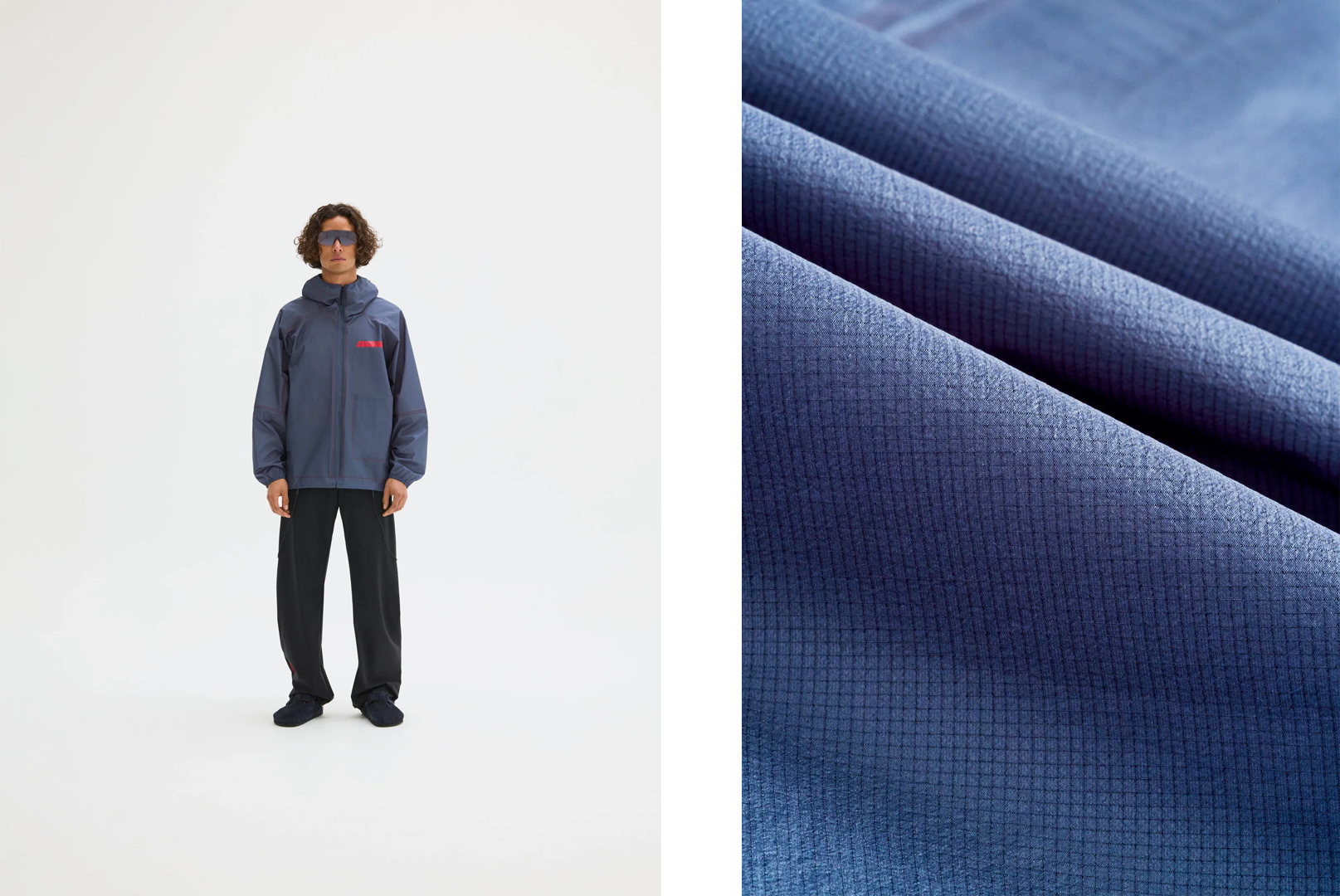
This material divide isn’t just about aesthetics, it’s about what’s functionally required for each activity. Like I mentioned earlier, gym training, particularly lifting, demands compression for support, stretch for range of motion, durability for friction against barbells and dumbbells etc. These requirements push toward synthetic blends that, while functionally superior, lack fashion appeal.
Running’s requirements are different. You need weather protection, moisture management, lightweight construction. But you don’t need compression or extreme stretch in the same ways. This allows for material choices that cater to both performance and fashion requirements such as Merino that wicks moisture while draping nicely, Pertex that blocks wind while having visual texture, technical cottons that breathe while being very much suited to a lifestyle aesthetic.
The Post-Sport Aesthetic
One of the smartest strategic shift running brands have made is designing for the time when you’re not actually running. This can be seen in partnerships between running brands and fashion houses. Often, product that is created isn’t just performance gear that happens to look good. They’re lifestyle pieces that happen to be technical enough for running.
This is the “post-sport” aesthetic, and it’s fundamentally changed what running apparel can be.
Traditional sportswear design starts with the activity: what movements are required, what performance features are needed, what technical specifications must be met. Then, if the brand is thinking about style, they try to make these functional requirements look good. The result is clothing that clearly reads as sportswear obviously designed for athletic activity first, styling second.
The post-sport aesthetic inverts this. Start with lifestyle, with how the piece will be worn for the hours you’re not running. What silhouette works with jeans? What fabric has enough texture and hand feel to be interesting? What construction details make this feel like a considered garment rather than purely functional sportswear? Then add the technical features necessary for the activity.
There has been a significant shift to cotton in running apparel as well. Satisfy’s MothTech t-shirts, Tracksmith’s Grayboy tops and District Vision’s Californian cotton pieces. These aren’t typical performance fabrics, but they work for running while also working as interesting textiles that sit comfortably in a wardrobe next to designer denim and contemporary fashion, like I mentioned before. The pieces feel less like sportswear and more like fashion that happens to be technical.
This lifestyle-first design allows running gear to escape the traditional perception of simply athletic wear. A Satisfy MothTech t-shirt doesn’t need to live in your running wardrobe, it can hang in your closet next to your Our Legacy jeans or Auralee trousers.
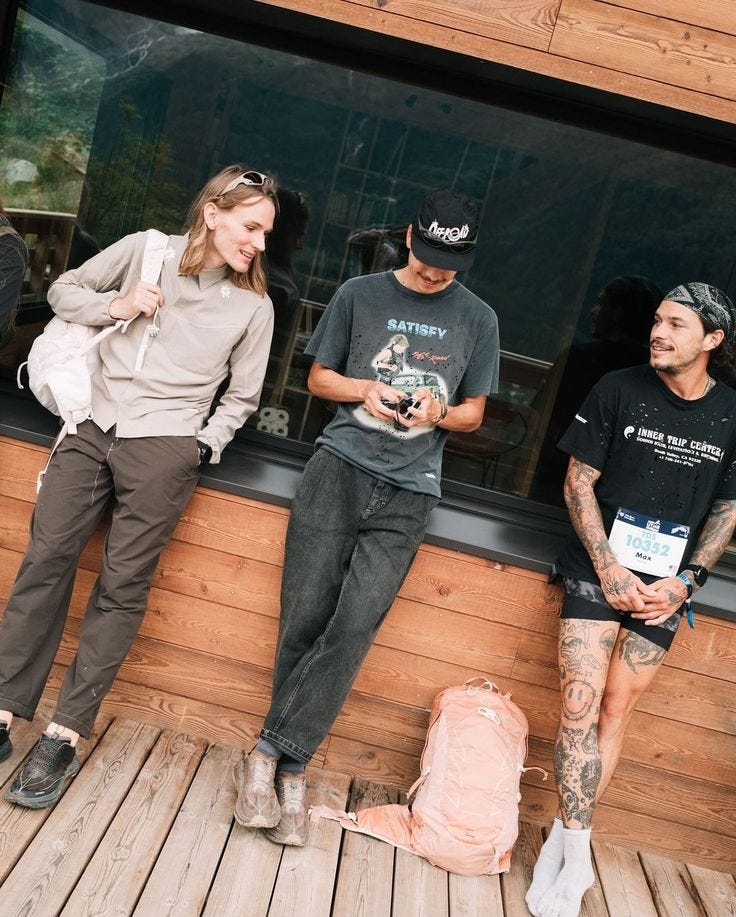
It must be noted though that it has to be a balance. You can’t be a running brand and simply always design lifestyle-first, function second. This won’t cut it in the long term, but the lifestyle-inspired pieces provide a cultural bridge to the everyday wardrobe.
The collaborations between running brands and fashion houses exemplify this post-sport aesthetic. Satisfy x Our Legcay isn’t creating better running apparel; they’re creating pieces that exist at the intersection of performance and contemporary fashion. The pieces are technical enough to run in, but they’re primarily designed to be aesthetic, interesting, covetable objects that happen to facilitate running.
This allows running brands to charge fashion prices rather than sports prices. A standard On running shirt might retail for £60. An On x Loewe piece retails for £320. The performance specifications might be similar, but you’re paying for design, for the Loewe association, for the privilege of owning a fashion collaboration. You’re buying a fashion piece that happens to be technical.
Gymwear collaborations rarely achieve this same elevation. When gym brands collaborate, it’s usually with athletes or influencers within fitness culture (Gymshark x Francis Ngannou, lululemon x Lewis Hamilton) for example. They’re not collaborating with Loewe, JW Anderson, or Rick Owens. They’re not being treated as worthy partners by high fashion.
This reflects and reinforces the cultural positioning gap. Running brands are taken seriously by fashion as partners capable of contributing to interesting design dialogue. Gym wear brands aren’t, because they’re still seen as purely functional, purely athletic, not capable of operating in the design space that fashion values.
The Opportunity. The £300 Billion Gap
We’ve established what running has achieved and what gym wear hasn’t. The question still remains, what does this mean for the future, and where’s the opportunity?
The global activewear market is said to be worth just shy of £300 billion, and growing, as fitness is not only becoming a core part of people’s daily lives, but their identity. Within that, there’s an enormous gap that I see. A fashion-forward training brand that successfully bridges gym culture and contemporary fashion in the way running brands have.
I have spoken about this opportunity at depth in a previous article which you can read below;

The opportunity exists simply because the customer exists. There’s a growing demographic of affluent, style-conscious people who train seriously but don’t identify with traditional gym culture’s aesthetics or values. They’re doing HYROX, functional fitness, strength training and they have significant disposable income. They are happy to spend £250-£350 on a Third Space or Equinox membership and they care about how they look and what their clothing signifies. But they have no equivalent to Satisfy, District Vision or Tracksmith for their training.
So, what would capturing this opportunity require from a new or existing brand?
Firstly, they’d need to abandon gym culture’s existing playbooks. Don’t start with transformation narratives like Nike or Under Armour, influencer marketing like Gymshark, or loud branding. Start with fashion sensibility and add technical performance.
Second, focus on a specific niche. Don’t try to serve everyone from bodybuilders to CrossFitters to general gym-goers. Look at picking one specific customer, one type of training, and one clear point of view. For example, build specifically for the HYROX athlete. Make sure you own that niche completely before expanding.
Next would be to embrace performance minimalism, which again I have touched on in my “2026 Defining Sportswear Trends.” The customer expects technical features as standard. Moisture-wicking, durability, anti-odour are simply must haves, but these shouldn’t be marketed loudly. If you look at performance minimalism brands like Goldwin and Descente, they are so successful because they are quietly complex. The details are refined and fabric choices are technical and considered but don’t present as technical sportswear.
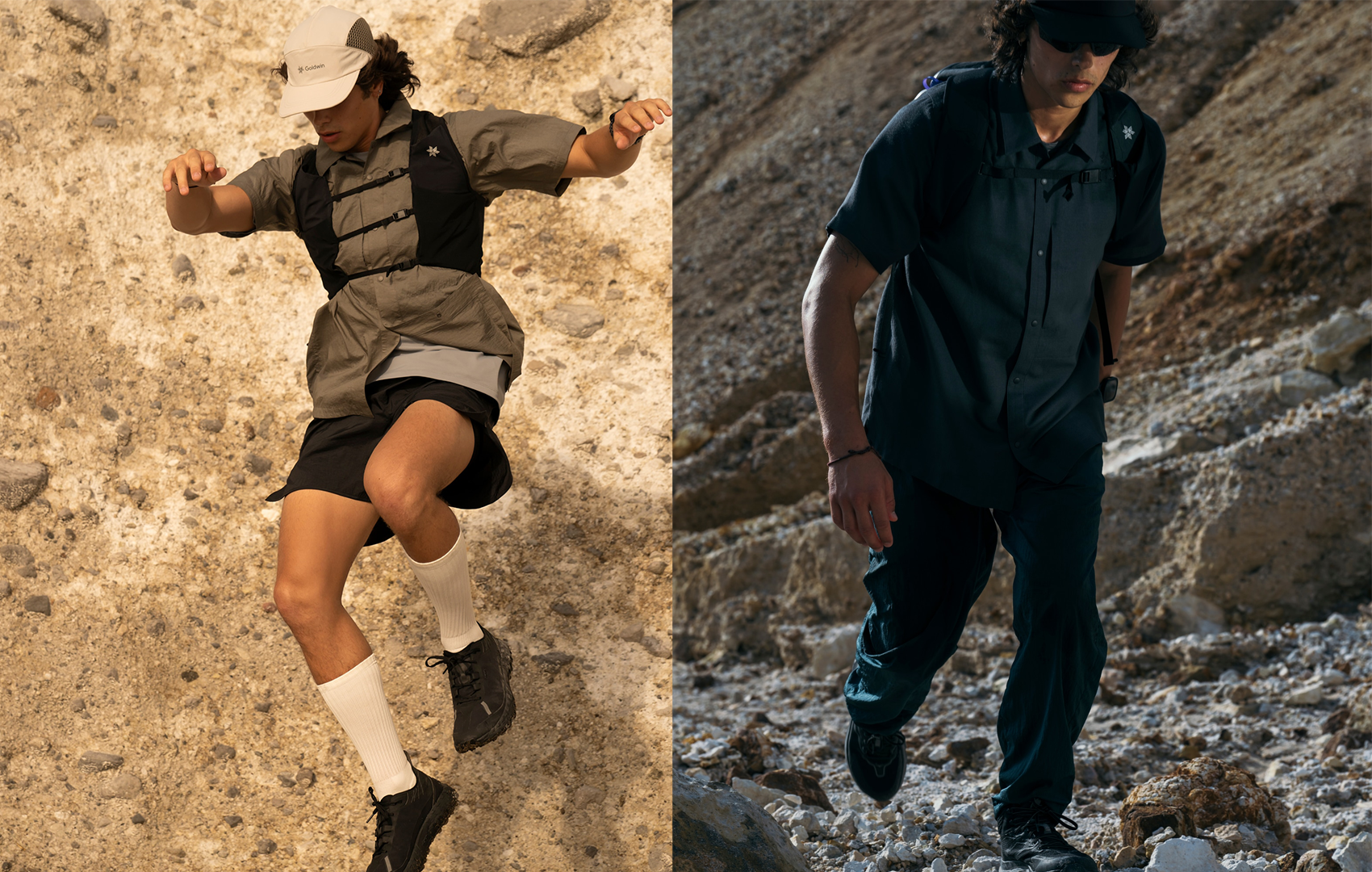
Finally, create a post-sport aesthetic. Design for the hours the consumer isn’t training. Taking our example, if you’re building a HYROX specific brand, make pieces that work for lunges and wall balls, but also work for travel, coffee shops, and for everyday life. The alternative to this would be the create a bridge between training gear and lifestyle products in the range. The versatility is crucial for escaping the gym specific narrative. If we look at HYROX, many of these athletes travel for events in European cities. Explore the apparel needs of a HYROX competitor that also travels to compete. Like running, you sell training as a lifestyle, not just an activity.
The brand that successfully cracks this won’t be trying to make gym wear the next running wear. They’ll be building something new. In my opinion it’ll be a fashion-forward training brand that understands both technical performance and contemporary aesthetics, that serves a specific customer exceptionally well, and builds genuine community and cultural credibility.
Performance minimalism is resonating with mature consumers. Especially those in creative industries wants sophisticated ways to signal their values around training and performance. The opportunity is there.
I even think we’re starting to see the start of this movement, with collaborations like Nike x Skims and adidas x Entire Studios, in which the latter had a Vogue article which was named “Why Adidas Tapped Entire Studios for a Fashion-Forward Performance Line”
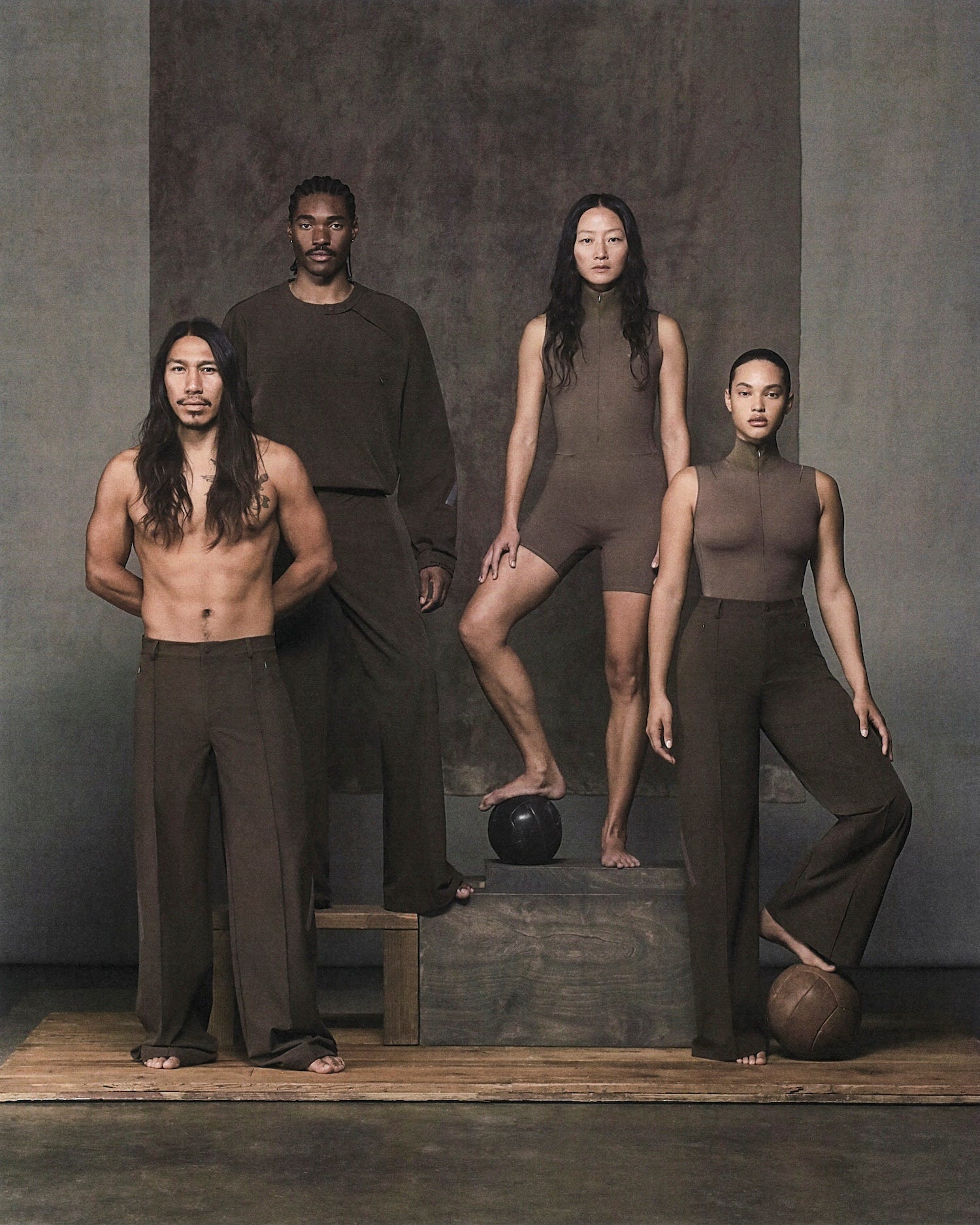
Somewhat playing devils advocate to myself, the question still remains whether training and performance product needs to become more relevant in fashion circles. Nike became the biggest sportswear brand in the world not by focusing on fashion, but focusing on innovation and performance. For me, the opportunity lies with new brands that have yet to establish a foothold in the market.
Final Thread
Running brands have entered into the fashion ecosystem because they’ve achieved something fundamental, a cultural repositioning from sport to lifestyle.
They were able to do this because of a number of factors; footwear acting as a fashion fashion gateway, collaborating with luxury fashion houses, using a fashion-led design approach, and designing for the hours you’re not running. Running apparel brands like Satisfy, District Vision, and Tracksmith became the quiet luxury uniform of the creative class - it signified something about you, your values, your lifestyle.
Gym wear faces disadvantages. The act of going to the gym for the everyday gym-goer is a more private rather than public practice. It doesn’t have run clubs where you have that sense of community and belonging, and people are snapping shots for Instagram and social media.
Of course CrossFit was and is a hugely community driven sport, but that community was tied to the gym. It’s not like running where you’d meet up at a stylish coffee shop pre or post run, in which your apparel and footwear choices were out there in the wild, and people were taking notice of what others were wearing.
HYROX is creating competitive framework and public visibility. Performance minimalism is proving that quiet complexity resonates. Brands like Goldwin (who are continuing to grow their performance line), Represent 247 and Reigning Champ are showing that fashion-conscious approaches can work. They are designing products that are technical enough they work in your training, but have a minimalist aesthetic that allows the product to transition into your everyday wardrobe.
The opportunity is there. The £300 billion market has room for a fashion-forward training brand that does for gym culture what Satisfy, Tracksmith, and District Vision did for running. Not by copying their playbook as gym culture is a different beast and requires a different approach. There needs to be a strategic approach about how to transcend sport and achieve fashion relevance in a market where it’s very different to running.
The question remains, who’ll be smart enough, bold enough and brave enough to go and capture it.
Great read, really agree with your analysis! :)
I feel like the whole hybrid athlete aesthetic really helped brands like 247 take it to another level. The running part became almost dominant in latest drops, while it was more gym oriented at the beginning.
Love this. Do we just do it ourselves?