

3 Key Fundamentals to Building a Sportswear Brand
Distribution, manufacturing, and product focus. I examine the foundational choices that will make or break your sportswear brand.

First of all, building anything is hard. Having grown Torsa from a simple concept to a fully fledged brand over a 5 year period, I learned that you need to have fundamentals to succeed. These don’t guarantee success of course, but if I look back now, having the right fundamentals were vitally important to building a framework to succeed.
With Torsa, I certainly didn’t have knowledge of all of these fundamentals before I started. The beauty of being a solo founder with limited investment, however, is that you are forced to learn along the way. In fact, whilst going through rounds of investment would have allowed me to bring on far more experienced people than myself, I still don’t regret going it alone. This is because I acquired knowledge and experience of departments that I simply wouldn’t have been subjected to, had I brought on people at the early stages. This knowledge I have been able to transfer to my role as a consultant today.
So, if I started Torsa again with the knowledge I had today, what fundamentals would I make sure I put in place. Let’s dive in.
1.0 Distribution Strategy
From the outset, one of the most critical decisions you need to make as a new brand is distribution. How and where will your product be sold? As a new brand, the two main strategies of distribution are DTC and wholesale, or, a hybrid of both.
Establishing this choice needs to be done before you begin designing any product. DTC and wholesale require completely different go-to market strategies, financial choices and marketing decisions.
To briefly summarise, DTC means direct-to-consumer. This is a method of selling your product directly from your own brand to the customer, foregoing any middle men.
Wholesale on the other hand refers to selling to a middle man - a retailer for example - who then sells onto the final customer.
Your product gets into the hands of a customer, but does so, in a completely different way. There are advantages and disadvantages of both, but without a clear distribution strategy, your business will struggle to succeed. Let’s take a look at a few key areas of DTC and wholesale, and how they impact the business.
DTC
Direct to consumer is often a more popular strategy for new brands. Selling directly to the customer has its perks, but I would argue that before you go all in on DTC, you first understand why it can often be a huge struggle, especially for brands without investment.
The main benefits of DTC in my experience are as follows;
Better profit margin
When you create a product and sell directly to the customer, your brand (on the surface) makes more money than you would if a middle man was involved. From a strictly COGS vs revenue calculation, it might look something like this;
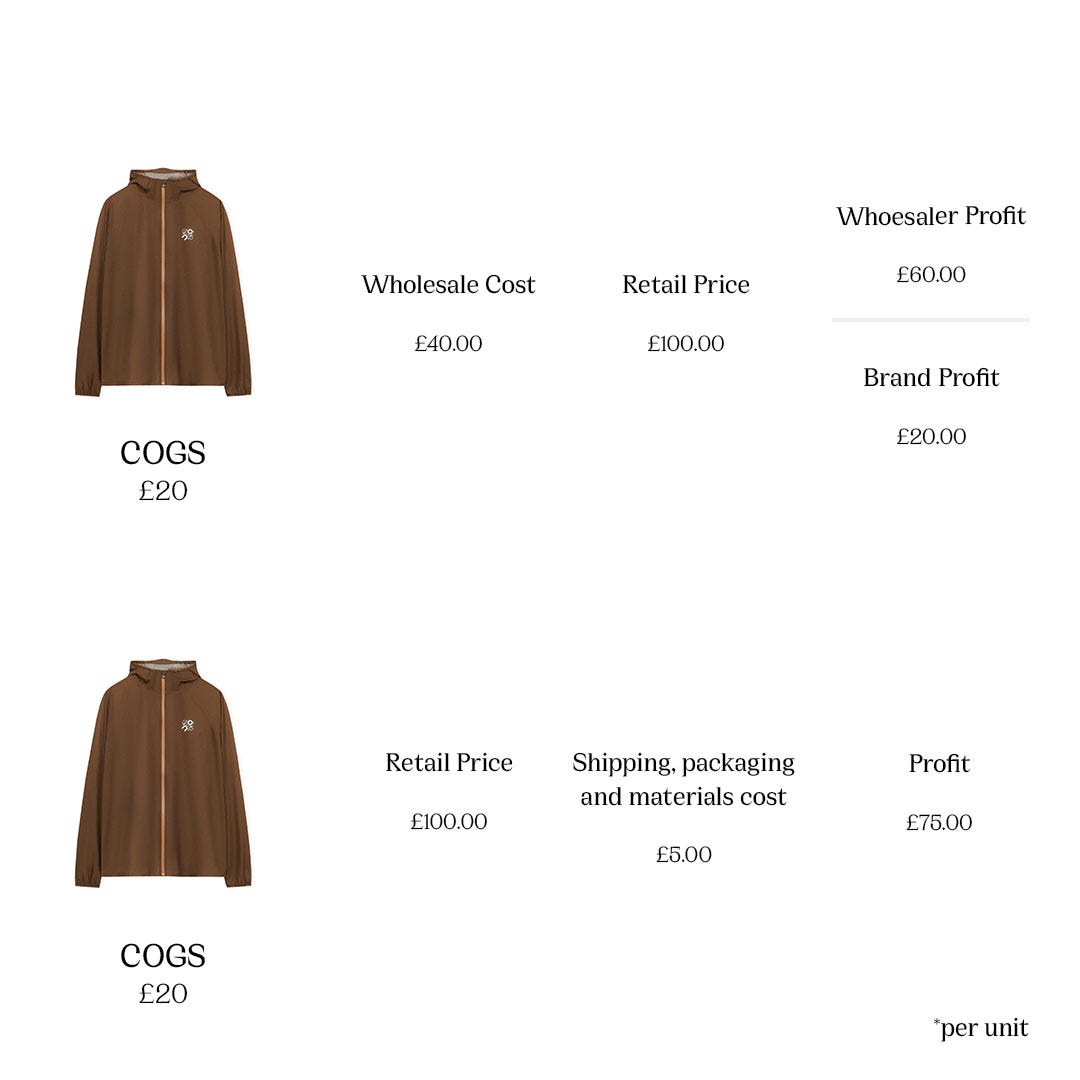
Of course, this calculation doesn’t take in the full story. There are so many variables which determine whether going DTC is more profitable than wholesale. The most considerable one is understanding your CAC (customer acquisition cost). If, looking at the example, you make £75.00 profit on a jacket compared to £20.00 profit at wholesale, of course this is considerably more profit.
However, what if your CAC cost is £40.00 for your DTC channels, and £0 for wholesale (because the wholesaler is now responsible for acquiring customers now they own the stock, not you) - this drops that profit down from £75.00 to £35.00.
Then, you have to take into consideration VAT. When you sell DTC, you are subjected to a 20% VAT on sale of goods. So, straight off the bat, that £100.00 jacket, your business is only taking 80% of that, so 100 x 0.8 = £80.00.
So, if we review the DTC calculation again. Our COGS on that jacket is £20 and our new retail price after VAT is £80.00. So, taking your COGS and shipping and packaging costs off, your profit is now only £55 per unit. If your CAC remains at £40.00 on the that one unit of a jacket, your profit is now only £15.00 (less than your profit at wholesale). Yes, a £40 CAC is very high, but as a new brand, don’t expect to have a really low CAC, especially with how ineffective paid ads are these days.
Whilst the profit margin using a DTC distribution strategy looks far better on the surface, to ensure it remains more profitable, you have to truly understand the impact of things like CAC, shipping and packaging costs (consider the cost of DTC returns), and marketing costs associated to selling your product only through your own channels.
In the next section, we’ll talk about how one sportswear brand completely nailed their DTC distribution channel, and how they did it through owning customer data, building community and used influencer marketing to build a DTC empire.
Closer relationships with customer
One of the most valuable assets of a DTC model is the relationship you build with your customer. When you own the transaction, you own the data. You know who bought what, when, and how often. This gives you crucial insight into customer behaviour, purchase patterns, and product performance.
With wholesale, the retailer owns the customer data, not you. You lose visibility into who is actually buying your product, why they are buying your product, and whether they’re coming back for repeat purchases. This makes it incredibly difficult to build long-term loyalty, spot any patterns, or iterate on product based on real customer feedback.
The ability to communicate directly with your customers through email, SMS, or social media also allows you to control the narrative around your brand. You’re not relying on a retailer to tell your story. You may have a certain vision for how your brand is positioned in the market, but if you rely solely on wholesale, you’re in danger of being at the mercy of your wholesaler how your brand is positioned.


DTC allows you to educate customers on fabric technology, share behind-the-scenes content from product development, and build a community that feels personally connected to your brand.
Gymshark is the one of the best examples of a brand that leveraged DTC to build an the empire it is today. Founded in 2012 by Ben Francis, the brand grew from a garage operation to a billion-pound valuation by 2020, largely through a DTC-first approach.
What Gymshark understood early on was that success in DTC isn’t just about selling product, it’s about building a movement that allowed them to control the narrative. They invested heavily in community, sponsoring athletes and fitness influencers who embodied the brand’s ethos. This wasn’t traditional advertising at the time; it was authentic storytelling through people their audience already followed and trusted.

Gymshark also mastered the art of scarcity and hype. Product drops became cultural events, with limited stock creating urgency and demand. This approach not only drove immediate sales but reinforced the brand’s desirability.
The below image was taken at Gymshark’s London flagship store last year where there was queues outside since 4am. This fanfare was for the eagerly anticipated re-release of their iconic range, Onyx.
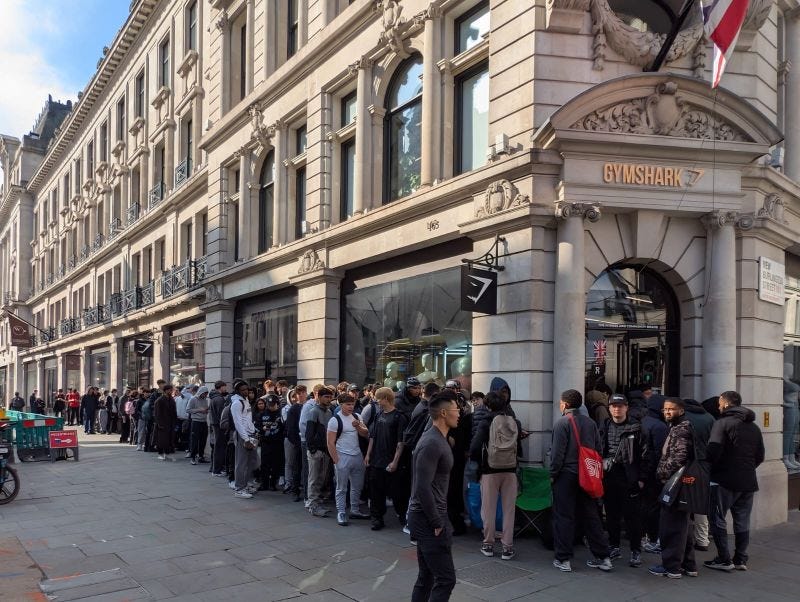
I can’t recall how long they stopped selling Onyx for, but it was a number of years. The style, however, was a huge favourite for many. It was also nostalgic for many customers as it was the style that many of their favourite YouTube or Instagram influencers often wore in the early Gymshark days. They had a personal connection to the collection, further contributing to its desirability.
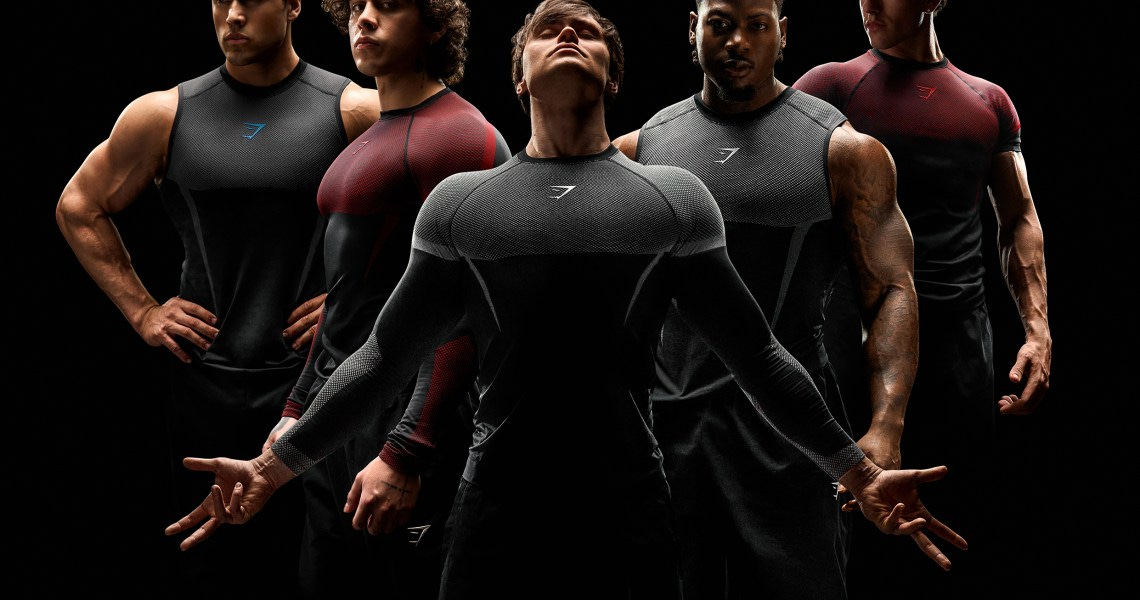
For an activewear brand to achieve such fanfare is a rare thing. Although I am certainly not their market, I can only commend the brand equity they have built over the last 15 or so years.
But it’s worth noting, Gymshark had timing on their side. They entered the market before customer acquisition costs skyrocketed and before the social media landscape became oversaturated. For new brands launching today, the barriers to entry are significantly higher.
Control over brand experience
Another major advantage of DTC is complete control over how your brand is presented. When you sell through your own channels, you control the campaign imagery, the tone of voice, the product styling, and the overall customer journey. This is crucial in the early stages when you’re still defining your brand identity.
In wholesale, you’re at the hands of the retailer. Your product might be placed next to a competitor, discounted without you knowing, or presented in a way that doesn’t align with your brand values. You lose control over pricing, merchandising, and messaging. All of these factors can dilute your brand equity before you’ve even had a chance to establish it.
For premium or luxury sportswear brands especially, this control is non-negotiable. If your positioning is built on quality, craftsmanship, and a specific aesthetic, you can’t afford to have your product sitting on a sale rail next to mass-market alternatives, and I have seen this happen in stores before.
Wholesale
Wholesale, as we mentioned, means selling to a third party (usually a retailer). Whilst it appears less profitable for new brands entering the market, the fact remains that it is one of the most effective ways to scale quickly and gain credibility. It’s true that your margins are tighter, but wholesale comes with benefits that DTC simply can’t replicate, especially for brands who have started without significant capital.
Instant credibility and reach
Getting your product stocked in the right retailers can fast-track your brand’s credibility in a way that traditional marketing channels simply can’t. When a customer sees your brand at a respected retailer, it signals quality, legitimacy, and desirability. It’s a form of social proof that takes years to build organically through DTC alone.
When Torsa was first stocked in Selfridges, it instantly gave us credibility that I simply couldn’t have built directly through my own channels. In fact, for much of the first two years, I struggled to scale the brand because of the difficulties convincing people to spend £75 on a training t-shirt from a brand they’d never heard of.
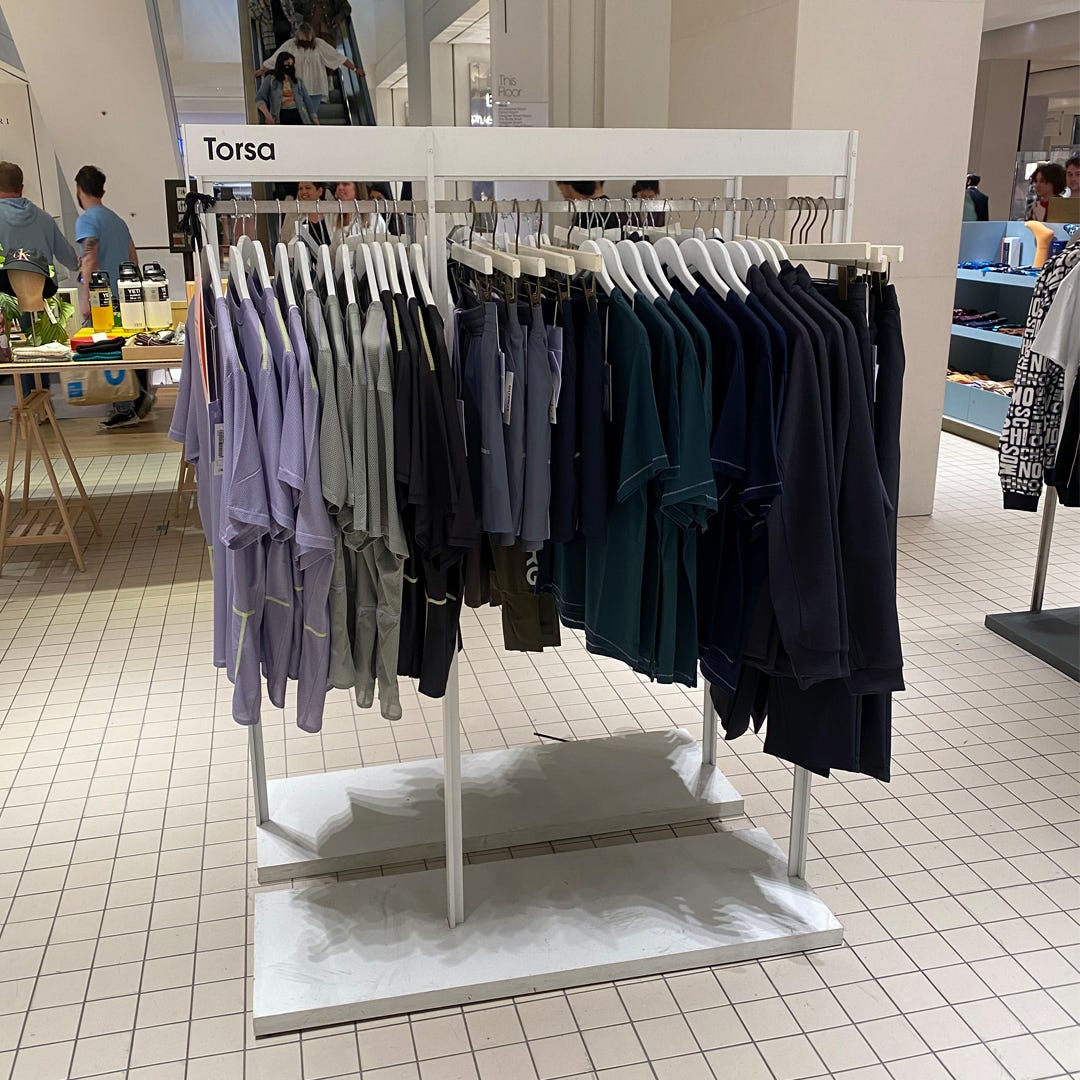
After we were stocked in Selfridges, our DTC business went up 300% in the months that followed because we had gained that credibility from a very well respected retailer.
Wholesale also gives you access to an established customer base. Rather than spending tens of thousands on paid acquisition, you’re tapping into the retailer’s existing foot traffic and online audience. This is particularly valuable for new brands that don’t yet have the marketing budget or brand recognition to drive traffic independently.
Cash flow and inventory management
One of the biggest challenges for new DTC brands is cash flow. You’re fronting the cost of production, warehousing, marketing, and fulfilment, all before you’ve made a single sale. If sales are slower than expected, you’re stuck with inventory and mounting costs.
Wholesale flips this model. Retailers typically place orders months in advance and pay within agreed payment terms, usually net 30 or 60 days in my experience. This means you have a timeline for when the retailer(s) are meant to pay you, allowing you to forecast cash flow more effectively. For a new brand, this can be the difference between survival and not in your early years.
Additionally, wholesale transfers much of the inventory risk to the retailer. They’re the ones holding the stock, managing the merchandising, and absorbing the cost of unsold units. This frees you up to focus on product development and brand building, rather than frantically running paid ads to move stock.
Lower marketing costs
With wholesale, the retailer handles customer acquisition. They’re the ones driving traffic through their own marketing channels, whether that’s email campaigns, social media, or physical retail. Your CAC in a wholesale model is effectively zero, because you’re not responsible for bringing customers to the product, the retailer is. Of course, you want your brand to perform well with your retailers, as ultimate good performance leads to bigger orders and higher revenues.
The Hybrid Approach
The reality is, most successful sportswear brands don’t operate exclusively in one channel. They adopt a hybrid approach, leveraging the strengths of both DTC and wholesale while limting the weaknesses.
A hybrid strategy allows you to build brand equity through wholesale partnerships while maintaining control and higher margins through your own DTC channels. You can use wholesale to gain initial traction and credibility, then funnel those customers back to your own site for repeat purchases, exclusive drops, and limited editions.
The key is understanding the role each channel plays in your overall strategy. Wholesale might be where you drive volume and brand awareness, while DTC is where you build loyalty and capture higher margins. Or, you might use DTC for full-price hero products and wholesale for seasonal basics that move in higher volumes.
Final Thoughts on Distribution
Your distribution strategy isn’t just a logstical decision, it’s a brand decision. It dictates your pricing structure, your marketing approach, your cash flow, and ultimately, your relationship with the customer.
Before you design a single product, sit down and map out where and how you want to sell. Understand the financial implications, the trade-offs, and the resources required to execute each model successfully.
2.0 Manufacturing in Asia
When you’re starting a sportswear brand, one of the first big decisions you’ll make is where to manufacture.
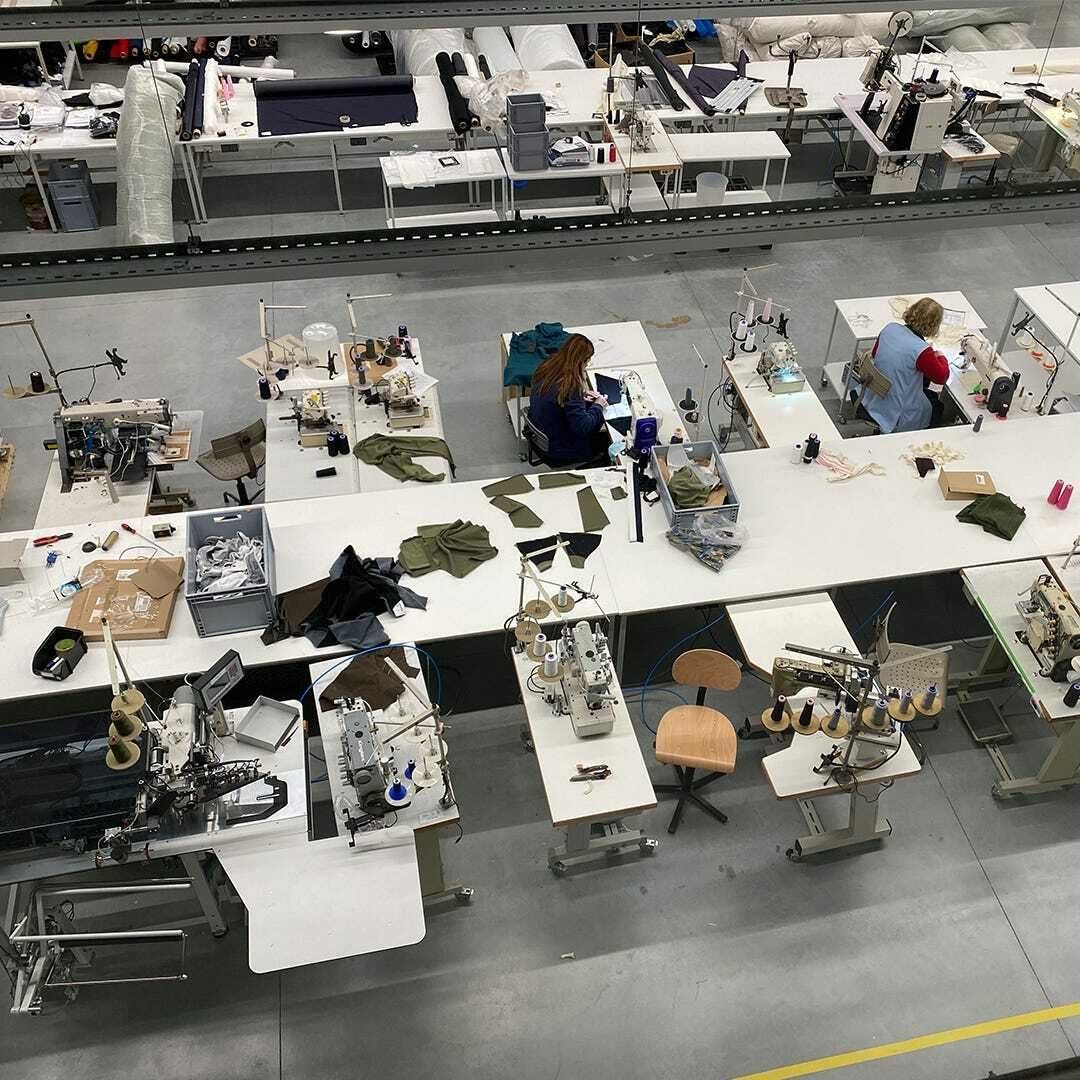
We produced our first collection in Portugal. For me, this made sense as although I came from the world of clothing, manufacturing was completely new to me. Most of my favourite brands were produced there, and because it was a quick flight, it was logical to base our early production there.
The quality was good, communication was simple, and I liked the “Made in Portugal” story we could tell. But as I quickly found, the economics simply didn’t work. Moving production to China was one of those decisions that I was reluctant to at first, because I always thought Torsa may lose its premium appeal. In truth, the quality, flexibility, speed and communication ended up being far better in Asia.
The Economics
Simply put, manufacturing in Asia is significantly cheaper.
In Portugal, we were paying £20-25 per unit for a technical t-shirt (including surcharges). The same product with identical specs cost us £7-8 in China. For our unreleased SS26 windbreaker, which featured bonded seams, a featherweight ripstop fabric, and technical features, the gap between prices was even more drastic.
Although important, this wasn’t just about margin. If your COGS are £15 and you’re applying a standard 4-5x markup for DTC, you’re looking at £60-75 retail for a basic technical tee, which lands you in the premium space for an activewear brand.
With a COGS of £7, and the same retail price, suddenly you have room to invest. You can invest in better fabrics, better construction techniques, more unique trims, more rigorous testing, and better marketing. That flexibility is invaluable when you’re establishing yourself in a competitive market.
People often get put off from Asia because they believe the MOQ’s are considerably higher, and whilst this may be true for Vietnam, Bangladesh and Cambodia, this simply isn’t the case for China.
In reality, MOQs in China weren’t significantly different from Portugal, both typically required 200-300 units per style, per colourway. Both could accommodate smaller orders with a surcharge but if you analyse it side by side, a 20% surcharge for a smaller MOQ on a £20 garment is an added £4 per unit (in Portugal), whilst the 20% surcharge on a lower MOQ on a £7 garment is £1.40 (in China). So, for the same t-shirt, you’re paying £24 in Portugal and £8.40 in China.
Yes, of course, there are many factories in China that won’t even consider working with you under 1,000 units per style, but now more than ever due to tariffs, many great factories are looking for work.
Technical Expertise
What maybe came as a surprise to me, but realistically shouldn’t have, is the technical capabilities of China and the rest of Asia. If you look at most premium outerwear brands, 9 times out of 10 they will be manufacturing in Asia.
Portugal had skilled sewers and solid quality control, but when it came to technical sportswear, where precision was needed, China was far and away superior.
Most of the world’s leading sportswear brands have been manufacturing in Asia for decades. This has helped create an ecosystem of factories, mills, and specialists who understand technical sportswear in ways that simply don’t exist in most European factories.
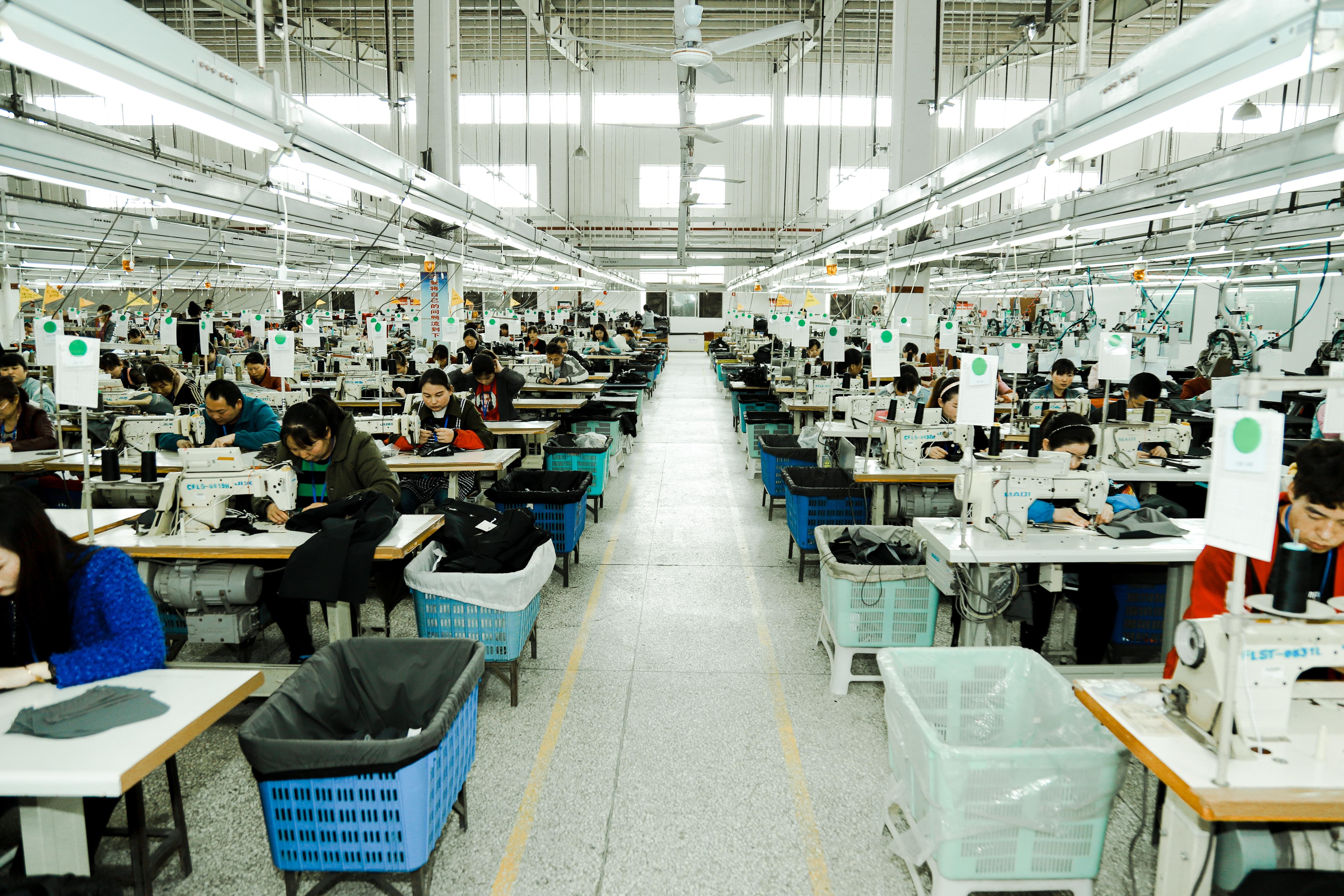
Fabric sourcing turned out to be another major advantage in Asia. There is no doubt that Europe has some great technical fabric mills, but Asia equally, especially for woven fabrics, was comparable in terms of quality, and far better in terms of price. You also have to consider the logistics around where you manufacture and where you source from. Whilst you might have a great fabric supplier in Europe for a specific knitted jersey, it doesn’t make sense to then ship that fabric to Asia to make the garment, to then send the finished garment back to Europe. The costs of shipping fabrics and garments from one region to another was one of the largest and most unexpected costs I found when running Torsa.
The important point was that we didn’t sacrifice quality moving from Portugal to China. We actually improved it while dramatically reducing costs.
Finding the Right Partner
Manufacturing in Asia isn’t without challenges. The key is finding the right partner, which takes time and proper due diligence.
The best advice I can give you is simply networking. Talking to as many factories as possible, asking them their capabilities, their strengths, weaknesses, which brands they produce for, and so on. Your manufacturing partner is one of the single most important decisions you’ll make, so taking your time to find the right one is worth it.
When I found our manufacturing partner in China, I visited them in person. I met the team, walked the production floor, saw other brands’ products being made. This gave me confidence not just in their capabilities, but in their ethics, working conditions, and commitment to quality.
When Europe Makes Sense
European manufacturing is the right choice in some scenarios.
If your brand story is fundamentally built around local production or heritage craftsmanship, it may be worth the premium. I think if I was producing simple jersey within the premium sector, I’d likely choose Portugal, but for sportswear, Asia in my opinion is far superior.
But for most new sportswear brands, especially those without significant investment, the combination of cost efficiency, technical expertise, and manufacturing sophistication in Asia makes it the smart choice. You just have to do some digging to find a strong factory that is happy to take on smaller minimums, in hope they will grow with you.
3.0 Focused Product Strategy
When I started Torsa, I wanted to build a well-rounded capsule collection that covered all the training essentials for the modern man. A high-performance t-shirt that could handle the toughest workouts, a temperature regulating Merino wool tee for running, versatile training shorts, a technical track pant etc. That was a mistake.
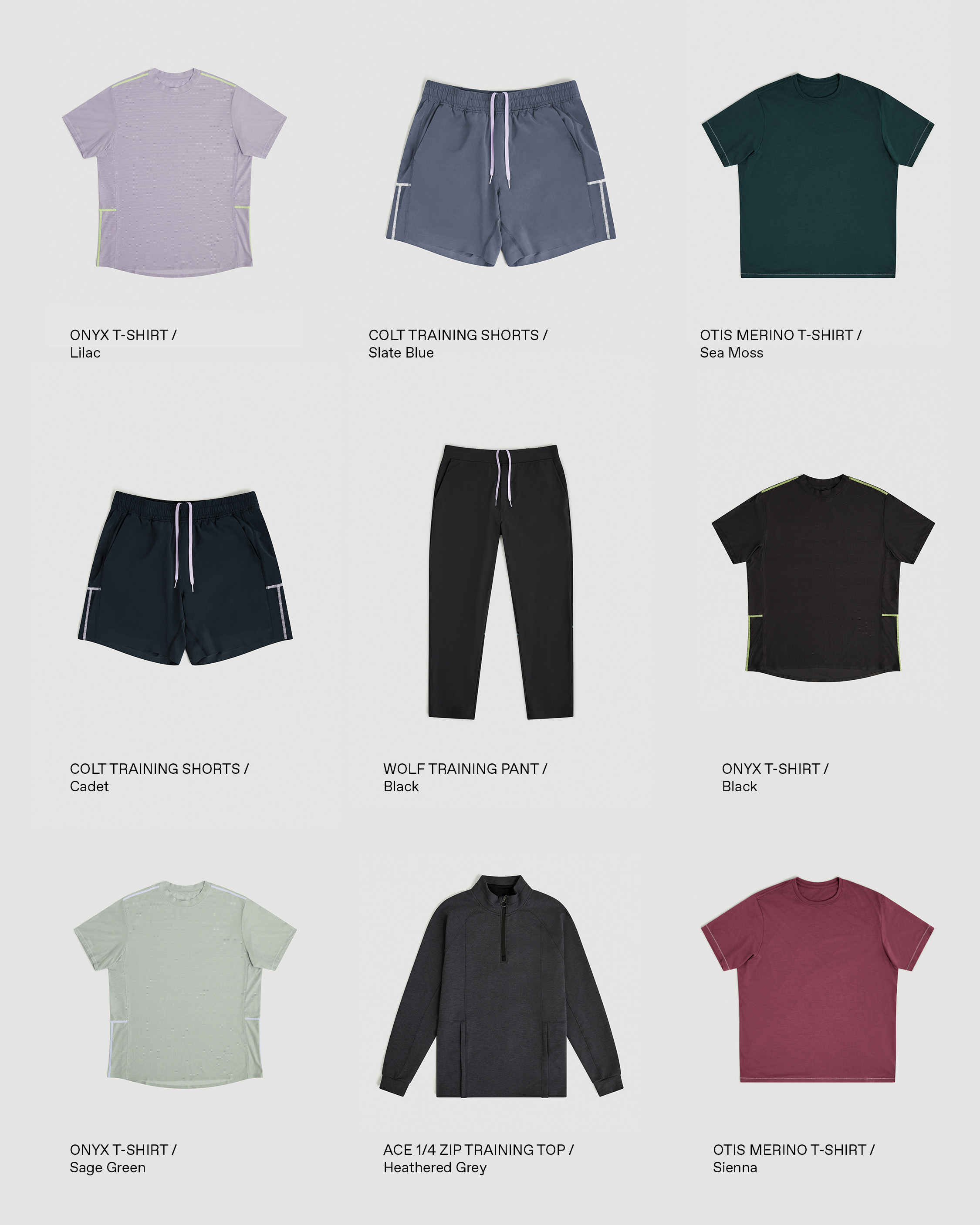
The issue wasn’t the quality of the ideas. It was trying to execute five completely different products at launch. Each product required unique fabric sourcing, development, sampling, testing, and technical specifications. The costs quickly got out of hand but as importantly, I also diluted the focus when I should have been obsessing over getting one or two things absolutely perfect.
If I started again, I’d launch with two products maximum, and that’s it. I’d work on perfecting the fit, nailing the fabric, getting the details right, but most importantly, building a story around it and giving customers a reason to buy, different from anything else on the market.
This sounds obvious in hindsight, but when you’re starting out, there’s this pressure to appear legitimate by offering a full collection.
Start Narrow
Your first collection doesn’t need to solve every problem your customer has. It needs to solve one problem exceptionally well.
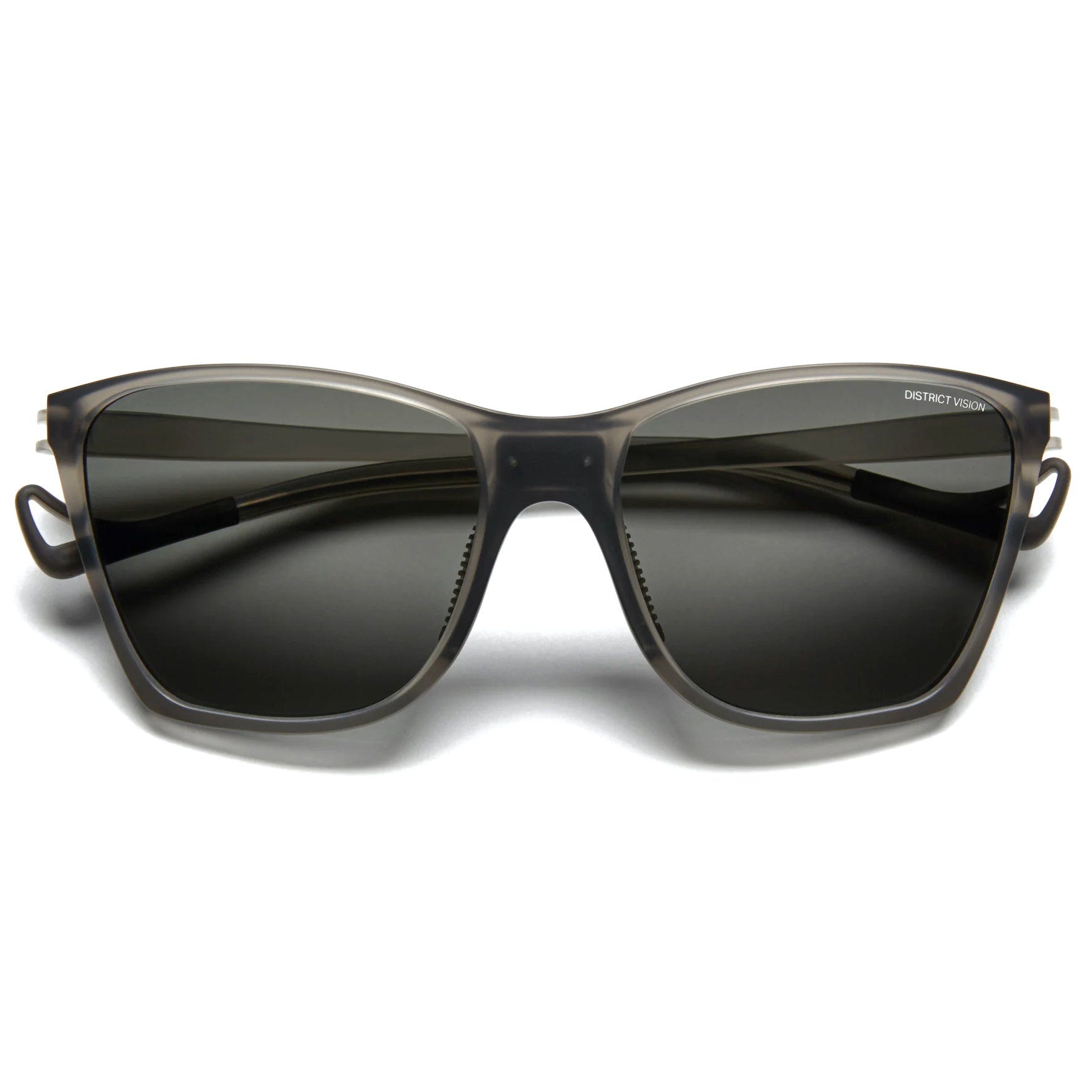
Look at District Vision. They launched with just one product, the Keiichi running sunglasses, handmade in Japan. Founders Tom Daly and Max Vallot spent two and a half years traveling between New York and Japan to design that single frame. They obsessed over every detail which included titanium injection into nylon, weight distribution, how it performed in humidity. That singular focus on getting one thing right allowed them to build credibility before expanding into apparel and accessories. They built their reputation on doing one thing differently, then expanded from there.
The economic reality for start-ups reinforces this approach. Let’s say you want to launch with five products. Each one requires initial design and development, sourcing unique fabrics and trims, multiple rounds of sampling, pattern development, testing and refinement, and marketing assets specific to that product.
Even at small MOQs of 300 units per product, you’re looking at significant capital spent on inventory before you’ve validated anything with real customers. Compare that to launching with one or two hero products. You have a clearer focus and more resources to get the product right, a more focused marketing strategy, clearer brand positioning, and the ability to iterate based on actual customer feedback.
Why Should Anyone Care?
Your first products need to be different enough to justify their existence in an already saturated market. This doesn’t mean gimmicks or unnecessary innovation, it means understanding what gap you’re actually filling.
When developing product, you need to ask yourself what makes your product worth someone switching from their current brand? Is it better fabric, new innovation, unique story-telling angle, a distinct aesthetic? Satisfy entered the running market with a visual design language so distinctive and unique that it sparked curiosity, interest and shock (at the prices) in equal measures.

What Satisfy had was a point of view. It wasn’t for everyone, but it was something completely new to the market at the time. This helped them build a cult following which later trickled down to a more mainstream customer, whilst still maintaining their price point, which was much higher than anyone else in the market.
This is where product strategy connects with your distribution strategy. If you’re going wholesale, retailers need a reason to stock you over established brands. If you’re going DTC, customers need a reason to take a risk on an unknown name. That reason has to be embedded in the product itself, not just your marketing.
One of Torsa’s strongest products was our Onyx Performance T-shirt. The fabric itself wasn’t revolutionary, plenty of brands use micro mesh, but it was so light (100g) that it was different from other brands. We focused obsessively on the material, the weight, the construction, and the fit. But it wasn’t just the material that attracted people, it was the distinctive lilac colour which at the time, was seldom used in men’s activewear. That gave us a point of difference, and combined with genuine product quality, it gave us something distinct to talk about.

Quality Doesn’t Mean Expensive
This seems obvious, but it’s harder to execute than it sounds when you’re cash-strapped and trying to build momentum. Quality isn’t just about expensive fabrics or premium construction. It’s about attention to detail, consistency, and whether the product actually delivers on its promise.
One of the biggest mistakes I made early on was assuming that higher material and make costs automatically meant better quality. They don’t. I’ve seen £20 a yard Italian fabrics that weren’t functionally better than a £3 a yard technical fabrics from Asia. What mattered was choosing the right fabric for the specific use case and executing it well.
Take Pertex Shield fabrics as an example. It’s a 3L fabric which provides lightweight waterproof protection whilst remaining highly breathable. It’s trusted and used by brands like Salomon, Goldwin, Pas Normal Studios, and countless others. You can buy Pertex Shield from as little as $5.50 a yard. Compare that to some comparable 3L waterproof fabrics bought in Europe, which can go north of $30 a yard.
Here you have one of the best technical fabrics in the world at a fraction of the price. Achieving quality requires knowing where to source, and working with people that have experience to guide you through that process.
Quality also means getting the fundamentals right before you worry about innovation. Nail your sizing and fit (get a pattern maker). Perfect your finishing details. Ensure your seams are clean, your trims are consistent, and your product performs as promised. Only once you have dialled in the fundamentals should you start experimenting with more advanced features.
This is particularly important for sportswear. Customers expect technical performance as standard such as moisture-wicking, breathability, and durability. If your basic tee doesn’t wick sweat effectively, no amount of clever marketing or beautiful photography will save you.
Sampling and Testing
Your first sample will not be perfect. Neither will your second or third most likely. Product development is an iterative process, and you need to budget time and money for it.
One thing I underestimated at Torsa was how many sampling rounds we’d need to get products right. For my first collection, in some cases I went through five rounds of samples before I was happy. Each round cost money in sampling fees, added logistics costs, and required changes to tech packs, patterns, or fabric specifications.
If you’re launching with five products, that iteration process multiplies across every style. If you’re launching with one or two, you can afford to obsess over the details without burning through your entire budget.
Testing is equally critical, and I don’t just mean testing in a controlled environment like a lab. Get your products on real people doing real activities. For sportswear, this means runners actually running, gym-goers actually training. Building an athlete feedback loop early on can be one of the most important steps you can undergo to ensure you end up with a product in the market that actually works.
I discuss more about sampling, product and testing in a previous article which you can read below;

This feedback shaped every subsequent iteration. For instance, I discovered that the training track pant suffered from pilling. In the lab test, the results of the pilling resistance was 4/5 (very good), but when it came to proper testing on real people, it told a different story. Don’t skip testing to save time or money. A product that looks great on your eCommerce site but fails in use will ruin your credibility faster than anything else.
Final Thread
Building a sportswear brand is hard. There’s no getting around that. But having the right fundamentals in place from the outset can be the difference between building something that lasts and something that doesn’t.
Distribution, manufacturing choices, and product strategy aren’t just operational decisions, they’re the foundation of your entire business. Get distribution wrong and you’ll struggle with cash flow and credibility. Choose the wrong manufacturing partner and your margins won’t work. Launch with too many products and you’ll dilute your focus when you should be obsessing over perfection.
You don’t need to achieve perfection from day one. I certainly didn’t with Torsa. But understanding these fundamentals early means you’re making informed decisions. It means when things inevitably get tough (and they will) you have a framework to fall back on.
My advice would be to start narrow, have a clear focus, think strategically, and don’t get caught up in designing full collections to serve all the needs of the customer. The market is competitive, customer acquisition is expensive, and margins are tight. The brands that succeed are the ones that understand their fundamentals and execute them relentlessly.
Thanks, as always, for reading Friday Thread. If you found this useful, please share it with anyone else building in the sportswear space.
Great read Seb and I can relate to so many points you mention, currently working on a developing a new multi sportswear brand. We’ve started the development process in Portugal and the costs are SO expensive and 1st Proto samples were VERY disappointing. I’m now exploring both Turkey and reluctantly China, although reading your post has provided me with a little more confidence. And totally agree with testing, I’ve a comprehensive wearer trial program in place - once we get over the hurdle of getting the samples in a good place!
Very thankful for each one of your insights, and thankful for your encouragement that it doesn’t all have to be perfect right out of the gate